
Does Select Health Cover Mental Health Treatment? What Utah Residents Need to Know

Select Health covers mental health treatment for Utah residents. Every Select Health plan includes mental health and substance use disorder services as an essential health benefit [1]. This means therapy, psychiatry, medication management, and inpatient care are covered, with the same protections as medical care, so you can get support when you need it. For […]
Treatment-Resistant Depression: What Are Your Options When Medication Isn’t Enough?

Treatment-resistant depression means someone has tried at least two different antidepressants at an adequate dose and duration without real improvement. It’s far more common than most people realize, affecting an estimated 2.8 million adults in the U.S. and nearly a third of everyone diagnosed with major depressive disorder. The good news is that “resistant to […]
What Is Holistic Mental Health Treatment? How It Works at Corner Canyon

Holistic mental health treatment means treating the whole person—mind, body, relationships, and environment—rather than targeting symptoms in isolation. It is not an alternative to clinical care, and it is not a replacement for therapy or medication. Done correctly, it means evidence-based treatment like therapy and psychiatric care working alongside things like nutrition, movement, sleep, and […]
What Is PHP in Mental Health? How Partial Hospitalization Programs Work

As an intensive outpatient mental health service, a partial hospitalization program (PHP) provides structured treatment for several hours each day, five days a week. PHP produces clinical outcomes comparable to inpatient care anyone can access but for the most severely ill patients and at roughly one-third the cost [1]. A step-down from inpatient care, PHP […]
What Is Residential Mental Health Treatment? A Guide for Adults Considering Care

Residential mental health treatment is 24-hour, live-in mental health care for adults whose conditions cannot be safely managed at home or in outpatient settings. It treats serious mental illnesses such as major depression, anxiety, bipolar disorder, schizophrenia, and PTSD. The main benefit is continuous clinical support that stabilizes symptoms, builds coping skills, and prepares people […]
Stellate Ganglion Block for PTSD: How It Works & What the Research Shows

The stellate ganglion block (SGB) is a minimally invasive medical procedure. It involves the injection of a local anesthetic into the stellate ganglion — a cluster of sympathetic nerve cells in the neck. The purpose of the SGB is to calm the overactivation of the sympathetic nervous system (‘fight-or-flight’ response), which underlies many PTSD symptoms. […]
Is PHP a Good Fit After Residential? Planning Step-Down Care

A Partial Hospitalization Program (PHP) is a structured, intensive outpatient level of care running five or more days per week for several hours per day, sitting directly below residential care on the treatment continuum. After leaving a residential program, many people face an abrupt drop in clinical support. PHP fills that gap. It preserves the […]
Does IOP Work for Anxiety and Depression? Who Benefits Most?

An Intensive Outpatient Program (IOP) is a structured, evidence-based level of care that delivers multiple therapy sessions per week—typically 9 to 15 hours—while clients continue to live at home. IOP sits between standard weekly outpatient therapy and inpatient hospitalization on the continuum of care. For adults with anxiety or depression who need more support than […]
Residential Treatment for Depression: When Outpatient Care Isn’t Enough

For people whose symptoms do not respond to standard outpatient therapy or medication, residential treatment for depression is a 24-hour, structured level of psychiatric care. In a safe environment, it provides round-the-clock clinical support, intensive evidence-based therapies, and medication management. Residential care also creates the conditions for real stabilization and a sustainable recovery process for […]
What to Pack and Prepare for Residential Treatment

Deciding to enter residential mental health treatment is a courageous step. Once that decision is made, families often face a rush of practical questions: What do I bring? What stays home? What do I need to arrange before I leave? The days before admission are already emotionally charged. Having a clear, reliable checklist takes at […]
Trauma Therapy Approaches in Treatment Centers: How to Know What’s Evidence-Based

Evidence-based trauma therapy refers to structured, clinically tested approaches that research has shown to reduce PTSD symptoms and improve daily functioning. The three best-supported treatments are Cognitive Processing Therapy (CPT), Prolonged Exposure (PE), and Eye Movement Desensitization and Reprocessing (EMDR). Choosing a treatment center that uses these approaches increases the chance of meaningful, lasting recovery. […]
How Family Involvement Works in Residential and Day Treatment Programs

Family involvement in residential and day treatment programs means structured, clinically guided participation by a patient’s close support network. It is not simply visiting. Research consistently shows that active family engagement improves treatment retention, reduces relapse rates, and strengthens the long-term recovery process for people managing substance use disorders and serious mental health conditions. Families […]
Residential vs PHP vs IOP: How Clinicians Determine the Right Level of Care

Seeking treatment for mental health conditions is a courageous first step, but the variety of program options, Residential, Partial Hospitalization Program (PHP), and Intensive Outpatient (IOP)—can be confusing for individuals and families seeking help. Clinicians use standardized tools like the Level of Care Utilization System (LOCUS), developed by the Association of Community Psychiatrists [1]. It […]
Choosing a Mental Health Treatment Center in Utah: Practical Questions to Ask Before You Commit

Utah’s unique landscape can offer a beautiful environment that positively affects mental health. Families in crisis can feel overwhelmed by the sheer volume of Utah mental health treatment options, from Wasatch Front intensive outpatient programs to rural residential centers. Selecting a facility is not just about finding a vacancy. It’s about ensuring the right fit. […]
PHP vs IOP: Which Offers More Support for Trauma and Mood Disorders?

It can be overwhelming to navigate the mental health care system, especially when dealing with the debilitating symptoms of trauma (PTSD, C-PTSD) or mood disorders (major depressive disorder, bipolar disorder). When weekly therapy isn’t enough but inpatient hospitalization isn’t required, patients often choose between two structured levels of care: Partial Hospitalization Programs (PHP) and Intensive […]
IOP in Utah: Who It’s Best For and How to Know You’re Ready

You or a loved one may be coping with a mental health condition or trauma symptoms and find weekly therapy helpful but insufficient. Yet, you don’t require 24/7 inpatient care. IOP may be the best choice for you. An Intensive Outpatient Program (IOP) is a structured treatment program. It typically involves 9–15 hours of therapy […]
A Realistic Timeline for Trauma Recovery in Residential Treatment

When individuals enter residential treatment for trauma, they often want to know one thing: “How long will this take?” Research and clinical practice show that trauma healing follows a predictable phased timeline, although the recovery process within that is nonlinear. Depending on trauma complexity and individual progress, stays range from 45 to 90+ days. Trauma-informed […]
Do I Need Residential Mental Health Treatment? 8 Signs It’s Time for a Higher Level of Care

If you are wondering about residential mental health treatment, seeking answers is a sign of courage. While weekly individual outpatient therapy is effective for many, there comes a point for some when symptoms overwhelm the capacity of weekly sessions. Seeking a higher level of care is not a failure. It’s about getting the right support. […]
PHP for Mental Health: Who It’s For and What a Typical Week Looks Like

If you’re looking for intensive mental health treatment without requiring a residential stay, a Partial Hospitalization Program (PHP) may be your best answer. Often called a “day program”, PHP is a structured, non-residential mental health treatment program. Typically, patients attend sessions 5-6 hours a day and return home in the evening [1] [2]. PHP is […]
OCD Test: When to Seek Help

You’ve probably heard someone exclaim, “I’m so OCD about my desk!” or “I think I left the stove on”. Perhaps you’ve expressed a similar sentiment yourself, as most of us occasionally do. However, it doesn’t mean you actually have OCD, a serious, often debilitating condition. Some people take self-tests that can indicate potential OCD. However, […]
Ketamine Administration Methods

Ketamine is a dissociative anesthetic with rapid-acting antidepressant and pain-relief properties. Medically, it is used for surgery as an anaesthetic and to treat treatment-resistant depression and chronic pain, all under strict clinical supervision. In this article, I outline ways ketamine can be administered. Ketamine can be delivered by several routes, most commonly intravenous (IV) infusion, […]
What Is Equine Therapy? Benefits and Uses Explained

Discover what equine therapy is, how it works, and who it helps. Understand the emotional and mental health benefits of this unique therapeutic approach
Does IOP Actually Work? What Research and Clinical Outcomes Tell Us

Intensive Outpatient Programs (IOP) have become increasingly popular due to their flexibility and effectiveness. Nonetheless, there are a number of myths about them that can be confusing for those who are considering this form of addiction or mental health treatment. Myth 1: Are IOPs Just Group Therapy With No Medical Supervision? The Reality: IOPs do […]
SSRIs and PTSD: What the Evidence Says and When Medication Is Part of the Plan

Many wonder whether medication is advised for PTSD and if so, what kinds are recommended. Read on to learn more about SSRI medications and treatment approaches for PTSD. Which SSRIs Are FDA-Approved for PTSD and How Do They Work? The current approach to treating PTSD involves both psychotherapy and medications. There are a number of […]
Treatment Goals for BPD: How to Cope With the Disorder?

Borderline Personality Disorder (BPD) is a disorder of instability: in emotions, thought patterns, beliefs, behaviors, interpersonal relationships and sense of self. There is a lot of stigma around this serious mental health condition which can be difficult to treat. Typically diagnosed from early adulthood on, most of the time BPD symptoms gradually decrease with age. […]
The Differences Between ART Therapy vs EMDR

ART Therapy is a newer form of psychotherapy drawn from the earlier and more well-established EMDR Therapy. Both use eye movements to reprocess information as a central part of the work. Understanding the differences between them can assist in deciding which to choose. In some settings both are used with ART considered as “EMDR on […]
8 Phases of EMDR: A Comprehensive List

EMDR (Eye Movement Desensitization and Reprocessing) was originally developed as a treatment for Post-Traumatic Stress Disorder. It has since branched out to treat a variety of applications including: phobias, test anxiety, dermatological disorders and pain management. It is based on the concept that certain eye movements reduce the intensity of negative emotions such as in […]
How Does Brainspotting Heal Trauma? A Guide to Recovery

Brainspotting (BSP) is a relatively new alternative therapy. It was developed in 2003 by Dr David Grand, an EMDR therapist and relational analyst. He observed that his clients were sometimes “stuck” in a certain spot which he later called a “brain spot”. Brainspotting was first used to treat people who had experienced PTSD during 9/11. […]
Emotional Wounds: Types, Symptoms, and How to Start Healing

Emotional wounds, often invisible yet profoundly impactful, shape our lives in myriad ways. They are scars left behind from painful experiences that mold our responses, behaviors, and interactions with the world around us. Understanding these wounds is not just about uncovering hurt but about embracing a journey toward healing and transformation. Emotional trauma can stem […]
Who Is Not a Good Candidate for Ketamine Therapy? How to Qualify
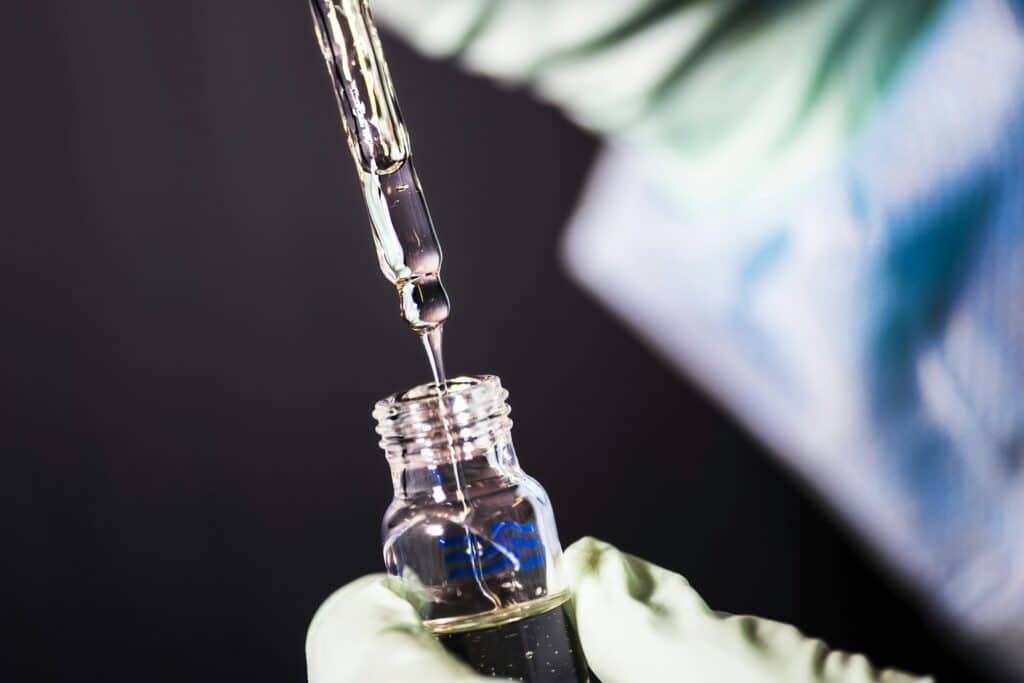
Discover who might not be an ideal candidate for ketamine therapy and the factors that inform safe and effective treatment decisions for mental health.