




Our Integrated Mental Health Treatment Approach
At Corner Canyon in Draper, psychiatry, trauma therapy, medical care, nutrition and experiential work come together in one plan for each adult in our care, reviewed by one team every week.
Clinically reviewed by Sara Sorenson, LCMHC, Director of Clinical Development
- Full assessment at intake
- Plan reviewed weekly
- Residential, PHP and IOP in Draper
Call (801) 383-0810
Prefer to call? (801) 383-0810
Thank you, we have your details
Admissions will call you to go over your coverage, usually the same business day. If it’s urgent, call (801) 383-0810.
Evidence-Based Mental Health Treatment Approach
What Does Evidence-Based Mental Health Treatment Look Like in Practice?
Our clinicians use a wide range of researched treatment methods for mental health concerns. A comprehensive assessment looks for what’s underneath your symptoms, and that becomes the foundation of an individualized treatment plan.
That plan may include cognitive behavioral therapy (CBT) for anxiety and depression, attachment work for core wounds around abandonment, dialectical behavior therapy (DBT) for borderline personality disorder, and EMDR or accelerated resolution therapy (ART) for complex trauma and PTSD.
Every client is different, so care looks at mind, body and spirit in a safe, supportive setting. Plans may include experiential therapies such as equine therapy, recreational therapy and mindfulness practices, along with coping skills and care for co-occurring disorders, so you leave with tools for change that lasts beyond treatment. See our programs.
How care fits together
- AssessmentMedical, psychiatric and clinical evaluation in your first days.
- Personal planBuilt from what the assessment shows, with you.
- TreatmentTherapy, psychiatry, groups and the body, every week.
- Weekly reviewYour team meets each week and adjusts the plan.
- Step-downResidential, then PHP and IOP in Draper, when you’re ready.
- AftercareProviders lined up near home before you leave.
Why the parts fit together here
One team, one plan and one campus, so nothing important falls between appointments. Meet the people behind it, from Program Director Nikki Schmerse to our founder, Cheryl Kehl.
Full assessment at intake
Medical, psychiatric and psychological evaluation first. See our clinical assessment.
Specialized trauma therapies
EMDR, ART, IFS, CPT, brainspotting and DBT, paced with stabilization skills.
Advanced treatments inside the program
Ketamine, SGB, neurofeedback and genetic testing, for enrolled clients after screening.
Holistic nutrition
The body as part of mental health care, with meals cooked on site, our dietitian and a nutritionist.
Mental health first
Substance use treated inside the mental health plan. No detox.
A team that meets every week
Your providers review your plan together each week. Meet our treatment team.
Comprehensive Mental Health Assessment and Treatment Planning
The first step after admission is a thorough evaluation that gives your treatment team a complete picture. It usually happens in your first few days: a psychiatric evaluation, a medical exam, a clinical evaluation, full blood work and DNA testing if needed. Read about our clinical assessment.
How Personalized Evaluations Shape Your Treatment Plan
Medical evaluation
A medical exam and full blood work, ordered by our medical team.
Psychiatric evaluation
Diagnosis, history and medications, with your psychiatric provider.
Genetic and health testing
Genetic (PGx) testing for enrolled clients, plus labs such as hormones and vitamin D.
Biopsychosocial assessment
Your story, relationships, work, strengths and what’s getting in the way.
Psychological evaluation
A standard evaluation once you’ve settled in, if you don’t have a current one.
Optional psychological testing
More extensive or specialized testing can be requested or arranged when it would help.
Holistic nutrition
A look at diet, gut health and supplements through holistic nutrition for mental health.
Clinical evaluation
Your therapist’s first sessions, to understand trauma, patterns and goals.
How Trauma-Informed Care Guides Everything We Do
Trauma-focused treatment targets the symptoms past trauma leaves behind. It may be individual therapy, group therapy or both, using researched methods such as EMDR and ART, with mindfulness, art therapy and other experiential work for relaxation, self-expression and emotional regulation. You explore and process trauma in a compassionate, non-judgmental setting, at a pace that fits you.
Safety and stabilization
Grounding and coping skills from DBT and CBT, a safety plan, sleep and routine, so you have footing before deep trauma work.
Trauma processing
Paced, one step at a time: EMDR, ART, IFS, CPT and brainspotting, chosen with your therapist.
Integration and next steps
Bringing what you’ve worked on into relationships, work and daily life, and planning the next level of care.
Evidence-based treatment modalities
- EMDR
- Accelerated Resolution Therapy
- Cognitive Processing Therapy
- Internal Family Systems
- Cognitive Behavioral Therapy
- Dialectical Behavior Therapy
- Equine therapy
- Recreational therapy
Family support is part of care too: family sessions within your plan and a virtual friends-and-family support group. See all our evidence-based therapies for trauma.
Psychiatry and medication
Psychiatry is part of the weekly rhythm, not a separate appointment you arrange. Your psychiatric provider works with your therapist and medical team on one plan.
A psychiatric visit every week, with two individual therapy sessions and daily groups.
Psychiatric care continues on the PHP schedule, with one individual session a week.
Psychiatry and individual therapy every other week, alongside morning groups.
Bars show how often you see your psychiatric provider at each level of care.
Medication changes are made with you, never to you.
Labs, such as lithium levels, are ordered by the psychiatric team.
Controlled medications follow our medication policy.
Medication for addiction treatment (MAT) isn’t started, managed or tapered here; current MAT is reviewed before admission.
Mind and body
How you eat, sleep and move shapes how you feel, so the body is part of the plan, alongside holistic nutrition for mental health.
Advanced treatments inside the program
We build on a comprehensive assessment and established therapies with newer treatments from fields that research has connected to mental health. Corner Canyon brings them in when they’re clinically appropriate and have been studied, for clients already in our care.
When the team considers them
- You’re enrolled in our program
- Medical and clinical screening says it fits
- It supports your plan, never replaces therapy
- You decide, with informed consent
Ketamine-assisted therapyFor depression, PTSD or anxiety, paired with integration therapy. Self-pay add-on.
Stellate ganglion block (SGB)For PTSD symptoms, through a community medical partner.
NeurofeedbackA qEEG brain map, then a personalized training plan.
Genetic (PGx) testingHow your genes may affect medication, including MTHFR.
Alongside these: the gut-brain diet, advanced clinical and trauma training for our therapists, and LGBTQIA+ affirming care.
Your treatment team
A small team that knows you, meeting every week to review your plan together. Meet our treatment team.
Primary therapistIndividual sessions, twice a week
Psychiatric providerWeekly visits and medication
Medical teamExams, labs and physical health
YouAt the center of every decision
Case managerTwice a week: plans and aftercare
Program staffOn site around the clock
Nutrition teamMeals cooked on site, our dietitian and a nutritionist
Family and supportsWith your consent, part of the plan
Stepping down and aftercare
Care steps down with the same team, and it’s very rare for anyone to leave without an aftercare plan. Read what to expect.
Residential
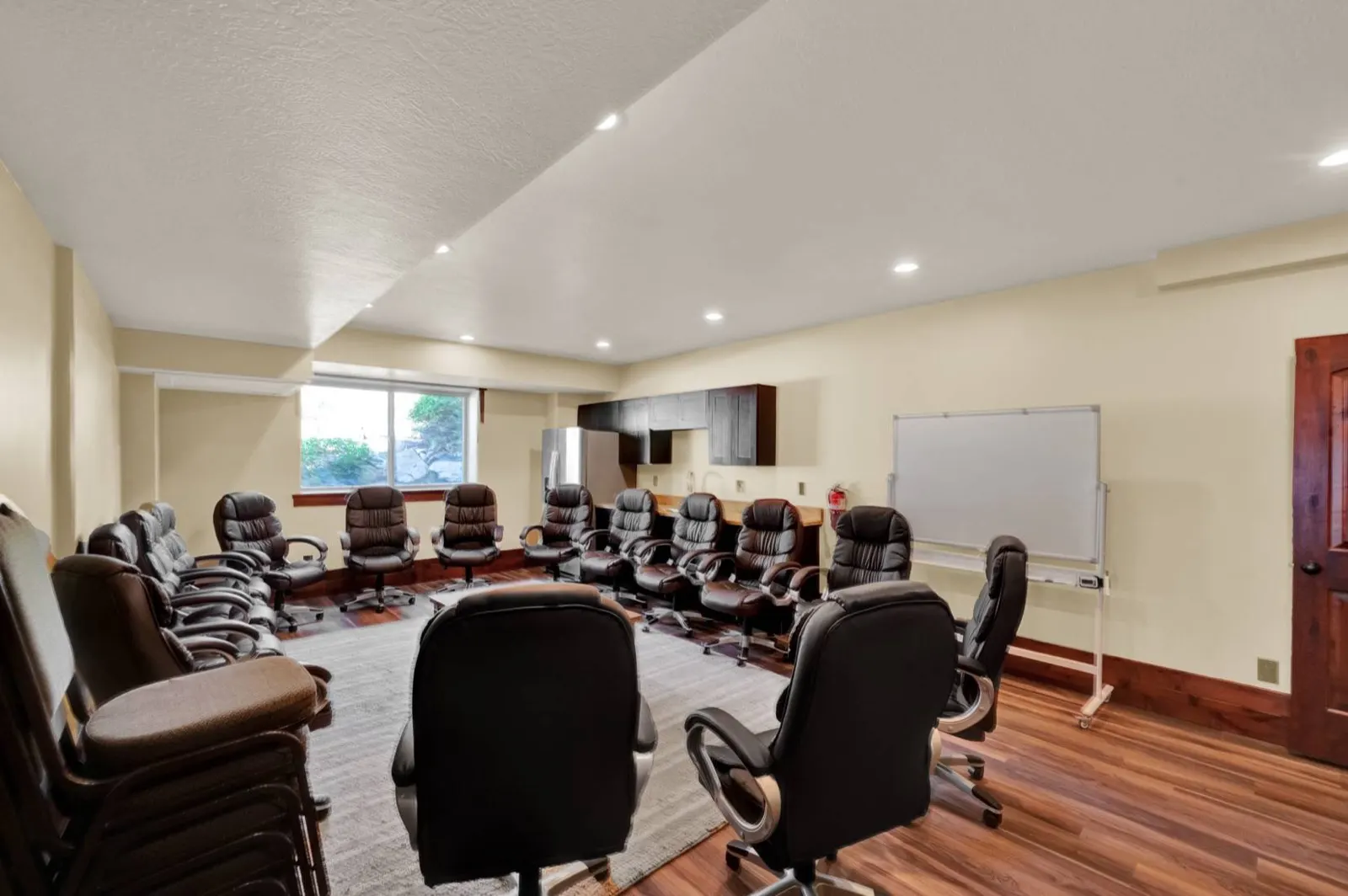
Around-the-clock support in a home in Draper, for as long as your team recommends.
PHP
Monday to Friday, about 9:30 to 3, with the same team.
IOP
Mornings, three or five days a week, as you return to daily life.
Home
Case management and your therapist line up a therapist, PHP or IOP near you, plus the virtual friends-and-family group.
Mental health first
Corner Canyon is a mental health program. When substance use comes with depression, anxiety or trauma, we treat it inside the same plan, as part of our care for co-occurring disorders.
We don’t provide detox: you need to be clean and sober for at least five days before admission, and admissions can point you to a detox program first.
In our clients’ words
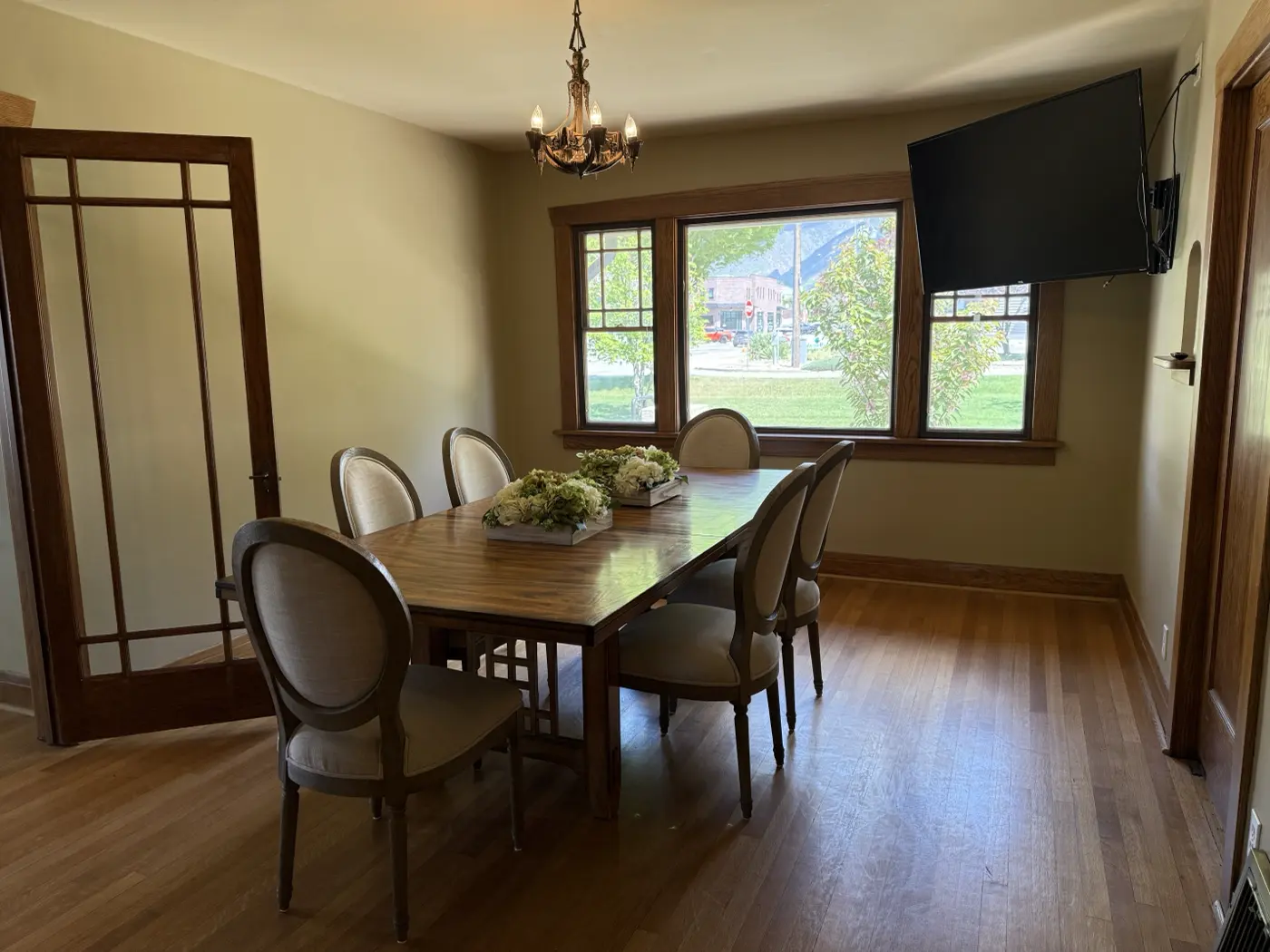
Three mental health facilities in Draper, Utah
Clients come to us from across Utah and the country. Admissions helps you plan your arrival.

Questions about our clinical approach
Have another question? Our admissions team takes calls at any hour; after hours, we call you back from 9 a.m. MT.
Call (801) 383-0810What are the phases of treatment at Corner Canyon?
Care moves through three phases: safety and stabilization, then trauma processing, then integration. Your pace through them depends on you, and your team adjusts the plan as you go.
How often is my treatment plan reviewed?
Your treatment team reviews your plan every week, so changes in symptoms, medication or goals show up in your care quickly.
How often will I see a psychiatric provider?
Weekly in residential treatment and every other week in IOP. Medication changes are made together with you.
What happens in the first few days?
In your first days you have a psychiatric evaluation, a medical evaluation, a clinical assessment, blood work and DNA testing. Together they set the baseline your plan is built on. Read more about our clinical assessment.
Talk to someone today
Want to talk through whether our approach fits you or someone you’re referring? Our admissions team takes calls at any hour; after hours, we call you back from 9 a.m. MT.