




CBT Therapy in Draper, Utah
Cognitive behavioral therapy (CBT), one of the core therapies we use, helps you break the cycle between unhelpful thoughts, painful feelings and the things you do to cope. At Corner Canyon you practice it every day, in groups and one-on-one, in residential, PHP and IOP care in Draper, Utah.
Clinically reviewed by Sara Sorenson, LCMHC, Director of Clinical Development
- Specialized trauma therapies
- Residential, PHP and IOP
- Draper, Utah
Call (801) 383-0810
Prefer to call? (801) 383-0810
Thank you, we have your details
Admissions will call you to go over your coverage, usually the same business day. If it’s urgent, call (801) 383-0810.
What is CBT therapy?
Cognitive behavioral therapy (CBT) is a form of psychological treatment used for a wide range of mental health conditions, and for substance use that comes with them. It focuses on how your thoughts, feelings and behaviors affect each other.
How does cognitive behavioral therapy work?
A difficult thought (“I’ll mess this up”) brings a feeling (anxiety), which leads to a behavior (avoiding it), which makes the thought feel truer. CBT helps you notice that cycle, question the thought and try something different, so the cycle starts to loosen.
CBT is structured and time-limited. In outpatient care it often involves a set number of visits, with practice to do between sessions.
It’s practical and skills-based. For CBT to help, you need to feel safe enough to be open about your beliefs, thoughts and behaviors, so our groups and sessions are professional, supportive and free of judgment.
What you’ll actually do in CBT:
- Thought recordsWrite down a hard moment, the thought behind it and the feeling it brought, then look at the evidence.
- Catching thinking trapsSpot patterns like all-or-nothing thinking or expecting the worst, and practice a more balanced view.
- Small behavior experimentsTest a belief in real life, one small step at a time, and see what actually happens.
- Coping skillsGrounding, breathing and problem-solving skills for the moments when emotions run high.
Why choose CBT therapy at Corner Canyon
Most CBT in Salt Lake City is an hour a week with an outpatient therapist. Here it’s part of a full day of care, with step-down to IOP when you’re ready.
Specialized trauma therapies
CBT works alongside trauma-focused methods such as CPT, EMDR and ART, so the work reaches what’s underneath.
One campus for every step
Your CBT skills carry from residential into PHP and IOP in Draper, with the same team as you step down.
Practiced every day
Not one hour a week: you use CBT skills in groups, one-on-one and in daily life at the house.
CBT and DBT together
CBT and DBT work well together. Here DBT therapy skills groups run alongside CBT.
A home, not a hospital
Voluntary, unlocked houses with staff on site around the clock, so you have support between sessions.
Full assessment at intake
Medical, psychiatric and psychological assessment shapes your plan from day one.
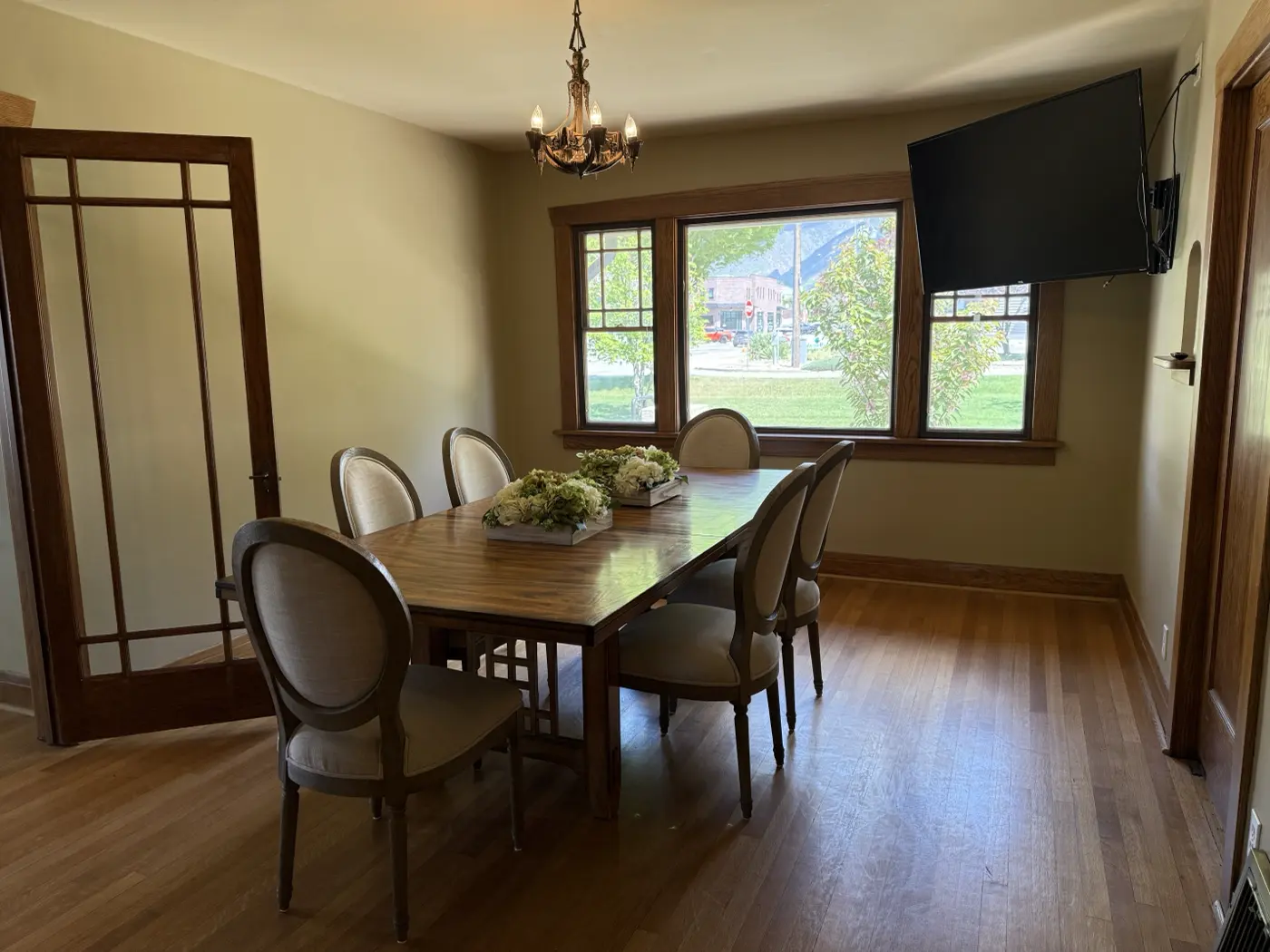
How CBT works in our Utah programs
You use CBT in two ways: in groups during the program day, and in individual therapy, where you and your therapist work on your own patterns.
- In groups
Skills groups where you learn and practice CBT with others, including a group for OCD and anxiety, with DBT skills groups alongside.
- One-on-one
Your therapist helps you apply the skills to what brought you here, and combines CBT with trauma therapies when needed.
- Between sessions
Short practice, like a thought record after a hard moment, so the skills become habits.
CBT for OCD, panic disorder and PTSD
CBT is adapted to what you’re facing. Your therapist chooses the focus, and combines it with other methods when that helps.
CBT for OCD
CBT helps you notice the thought patterns and rituals that keep the OCD cycle going, alongside ACT and DBT skills, when OCD comes with anxiety, depression or trauma. Exposure and response prevention (ERP) is offered by OCD-specialty programs, and if that’s what you need first, our admissions team will point you to one. Learn about our OCD treatment.
CBT for panic disorder
You learn what happens in your body during a panic attack, catch the thoughts that make it spiral (“I’m having a heart attack”), and practice calming skills. With your therapist, you start stepping back into places you’ve been avoiding, at your own pace. Learn about our anxiety treatment.
CBT for PTSD
For trauma, the main CBT-based approach here is cognitive processing therapy, which works on the beliefs that formed after trauma. It sits alongside EMDR and ART in our trauma and PTSD treatment.
CBT for anxiety and depression
CBT is one of the main therapies we use for anxiety and depression, often together. Read more in our guide to CBT for anxiety and depression.
CBT at every level of care
Your CBT skills don’t stop when you leave residential. They continue through PHP and our intensive outpatient program on the same campus, with less structure each step as you use them more on your own.
ResidentialPlus daily groups, including CBT and DBT skills
Two individual sessions a week
PHPGroups Monday to Friday, about 9:30 a.m. to 3 p.m.
One individual session a week
IOPGroups 9:30 a.m. to 12:30 p.m., three or five days a week
Individual therapy every other week
Thank you, we have your details
Admissions will call you to go over your coverage, usually the same business day. If it’s urgent, call (801) 383-0810.
Paying for treatment
CBT is part of your program, so it’s covered when your program is. We work with most PPO plans that include out-of-network benefits, and with self-pay. Our team will verify your insurance for free.
PPO plans with out-of-network benefitsUsually covered
Self-payPayment options
Single case agreementsAsk admissions
Read about cost and payment options.
Thank you, we have your details
Admissions will call you to go over your coverage, usually the same business day. If it’s urgent, call (801) 383-0810.















In our clients’ words
Three mental health facilities in Draper, Utah
Clients come to us from across Utah and the country. Admissions helps you plan your arrival.
Questions about CBT therapy
Have another question? Our admissions team takes calls at any hour; after hours, we call you back from 9 a.m. MT.
Call (801) 383-0810Is CBT evidence-based?
Yes. CBT has been well studied. The National Institute of Mental Health calls it a research-supported type of psychotherapy and the “gold standard” talk therapy for generalized anxiety disorder.
Is CBT used for bipolar disorder?
Yes. CBT can be part of bipolar care, alongside medication management, to help you spot early warning signs and change thought patterns that feed mood swings. See our bipolar disorder treatment.
What is the difference between CBT and CPT?
CPT is a form of CBT for trauma. See our CBT vs CPT guide.
Is CBT done in groups or one-on-one?
Both. You practice CBT skills in groups during the program day and work on your own patterns in individual therapy: twice a week in residential, weekly in PHP and every other week in IOP.
Do you offer ERP for OCD?
Our team treats OCD alongside anxiety, depression or trauma with CBT, ACT and DBT skills. Exposure and response prevention (ERP) is offered by OCD-specialty programs, and if that’s what you need first, admissions will point you to one. Learn about our OCD treatment.
Can I continue CBT after residential?
Yes, through PHP and then our intensive outpatient program on the same campus, with the same team.
What’s the difference between CBT and DBT?
CBT focuses on changing unhelpful thoughts and behaviors. DBT adds skills for strong emotions, distress and relationships, balancing acceptance with change. Many people here use both. Learn about DBT therapy.
Does insurance cover CBT?
CBT is part of your program, so it’s covered when your program is. We work with many PPO plans, including Aetna, Cigna, UnitedHealthcare and Blue Cross Blue Shield plans, through out-of-network benefits, depending on your plan, and with self-pay. Our team will verify your insurance for free.
Talk to someone today
Want to know whether our CBT therapy in Utah is right for you? Our admissions team takes calls at any hour; after hours, we call you back from 9 a.m. MT.