





What to Expect in Residential Treatment
Here’s what living at Corner Canyon is really like: your first day, a typical schedule, the rooms you’ll sleep in, the food, the phone rules and what to pack, so you can picture arriving before you do.
- Voluntary and unlocked
- Home-style houses in Draper
- Stay length set by your team
Call (801) 383-0810
Prefer to call? (801) 383-0810
Thank you, we have your details
Admissions will call you to go over your coverage, usually the same business day. If it’s urgent, call (801) 383-0810.
Your first day
Most people feel nervous before they arrive. Your first day is planned so you’re never left on your own with questions. See how admission works for the steps before it.
- Early afternoonYou arrive
Admissions happen Monday to Thursday, timed so the team is on site when you walk in.
- First hoursIntake and medications
Staff check you in, go through paperwork and review the medications you brought.
- Day oneMeet your therapist
You meet your primary therapist the same day, then get settled into your room.
- First daysYour assessment
Medical, psychiatric and psychological assessment, plus a genetic (PGx) cheek swab.
Why people feel at home here
It’s easy to picture a psych ward. Corner Canyon is a set of real homes in Draper, run by a clinical team.
A home, not a hospital
Voluntary, unlocked houses in Draper, with program staff on site around the clock.
Holistic nutrition
Chef-prepared meals every day, as part of holistic nutrition for mental health.
Experiential therapy
Gym, pool, yoga, art and equine therapy in your week, through our experiential and recreational therapy.
Time to heal
Length of stay is set by your clinical team and reviewed every week, so there’s time for deeper work.
LGBTQ+-affirming care
Rooms by your gender identity and your chosen name and pronouns. Read about care for LGBTQ+ adults.
A sample day in residential treatment
Weekdays are full and structured, with mornings that start gently. Times move a little with the group schedule, but this is the shape of a typical day.
- Therapy and groups
- Meals and care
- Movement
- Your own time
- MorningWake up, morning meds and breakfastAn unhurried start: take care of your space and make breakfast.
- 7:30–8:30Phone or computer hourFrom about your second week.
- 9–12Group therapyDBT, CBT and trauma groups such as IFS.
- 12–1:30Lunch from our kitchen
- 1:30–5Afternoon groups and individual sessionsTwo individual sessions a week, a weekly psychiatric visit.
- AfternoonGym timeAt least an hour, every weekday.
- 5:30Dinner together
- 6–8Phone callsHouse phone at first, then your own devices.
- EveningDowntime, the pool or an outingThen lights-out hours, so everyone can sleep.
Weekends
A lot of deep emotional work happens during the week, so weekends leave room to reset.
SaturdayA longer outdoor outing, such as a hike, plus time to rest. The gym is optional.
SundaySlower: rest, laundry, getting ready for the week and a shopping trip for anything you need.
Equine therapy is on Wednesday mornings, and yoga, art therapy and breathwork fit into the weekly schedule.
How long you’ll stay
Length of stay is set by your clinical team and reviewed every week, depending on your goals and progress. Your insurance decides how many days are covered, and our team works with your plan on authorizations.
Assessment and planWeekly team reviewStep down when ready
Your team, not a fixed number of days, decides when you’re ready to step down. Learn about insurance coverage for mental health treatment and cost and payment options.
Rooms and homes
You’ll live in one of two residential houses in Draper, each home to a small group of adults. Both are coed, with men and women on separate floors, and you’re placed according to your gender identity.
Who you’ll room with
Most rooms are shared by two or three people, usually close to your age. Two private rooms are kept for clinical need, including gender identity needs, at no extra charge, and they’re often full.
A home, not a hospital
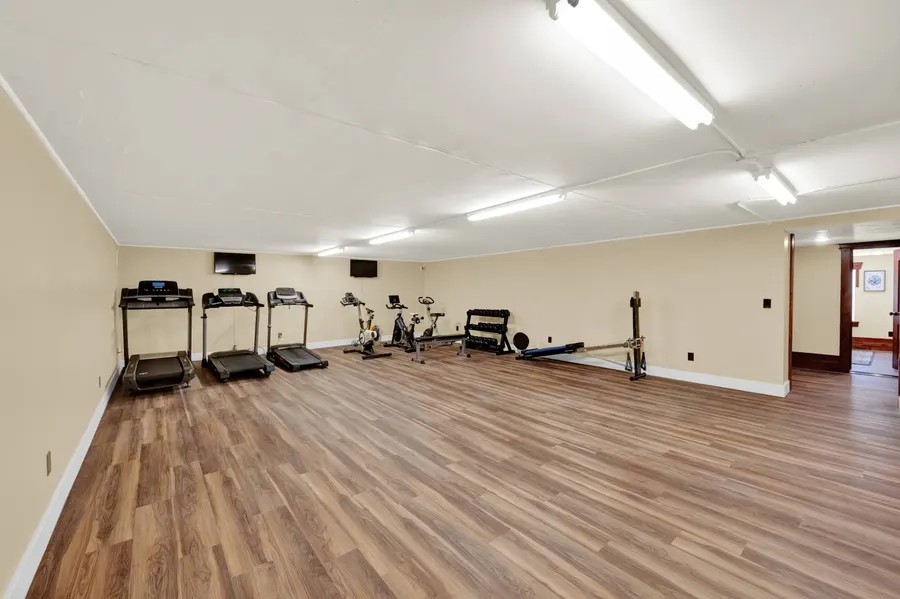
The houses are voluntary and unlocked, with program staff on site around the clock and a clinician on call after hours. They have real kitchens, living rooms, a gym, a pool at the Pioneer Road house and big yards with mountain views. Read more about our Draper residential campus.

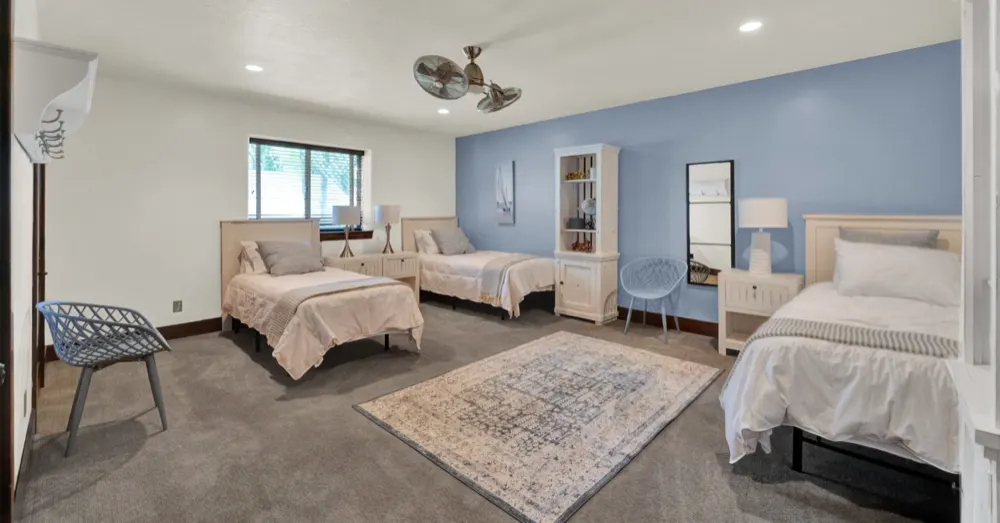

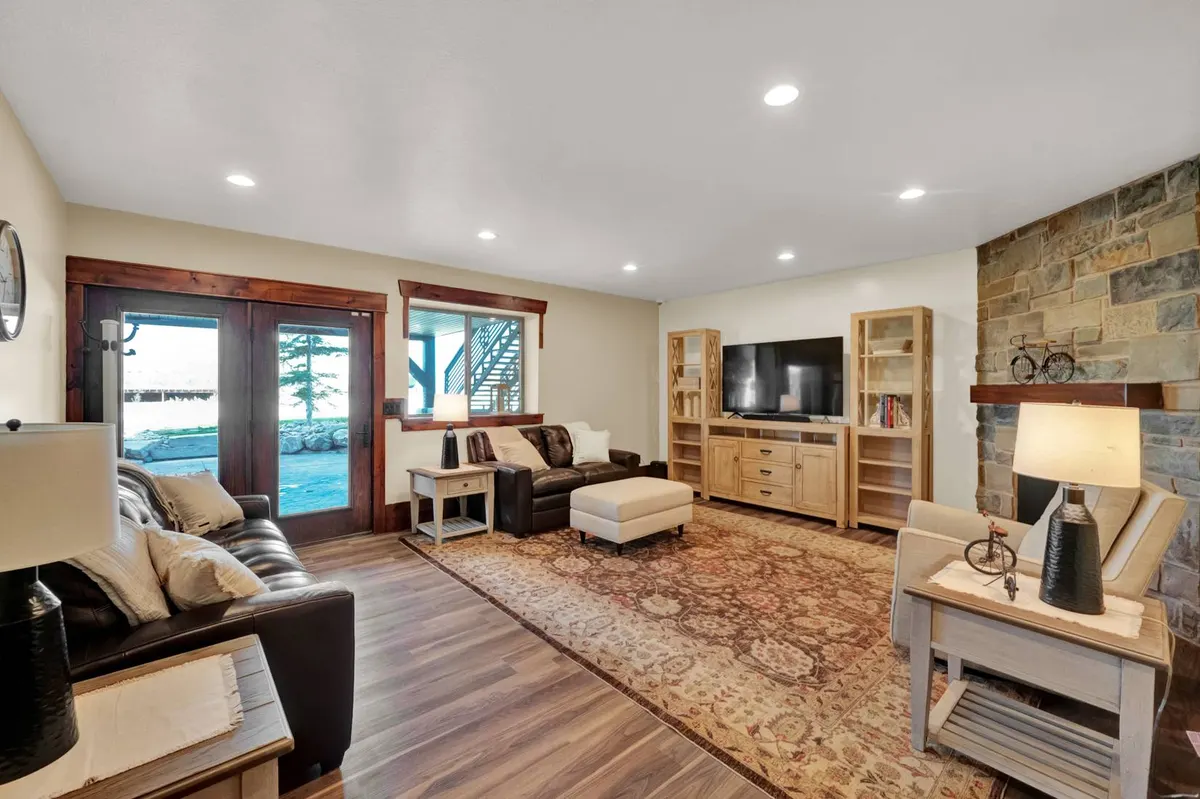
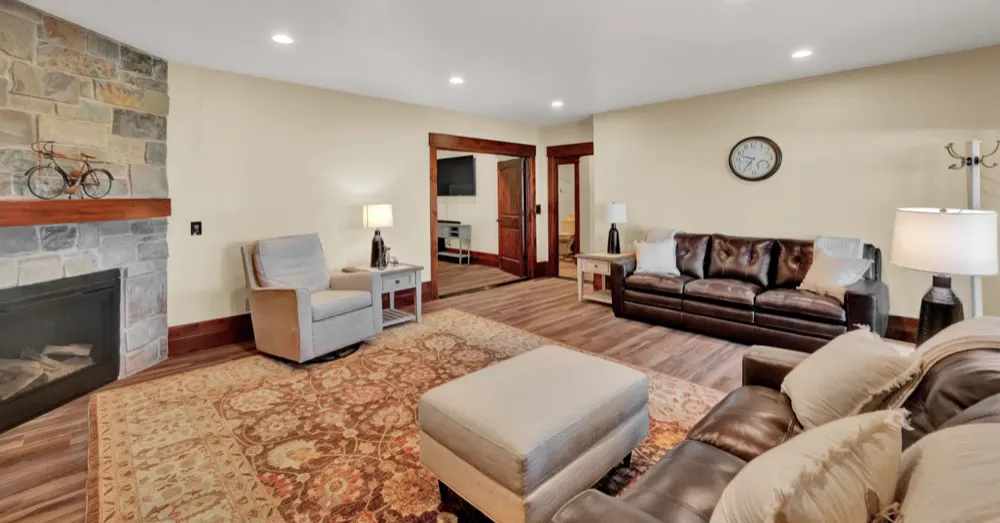
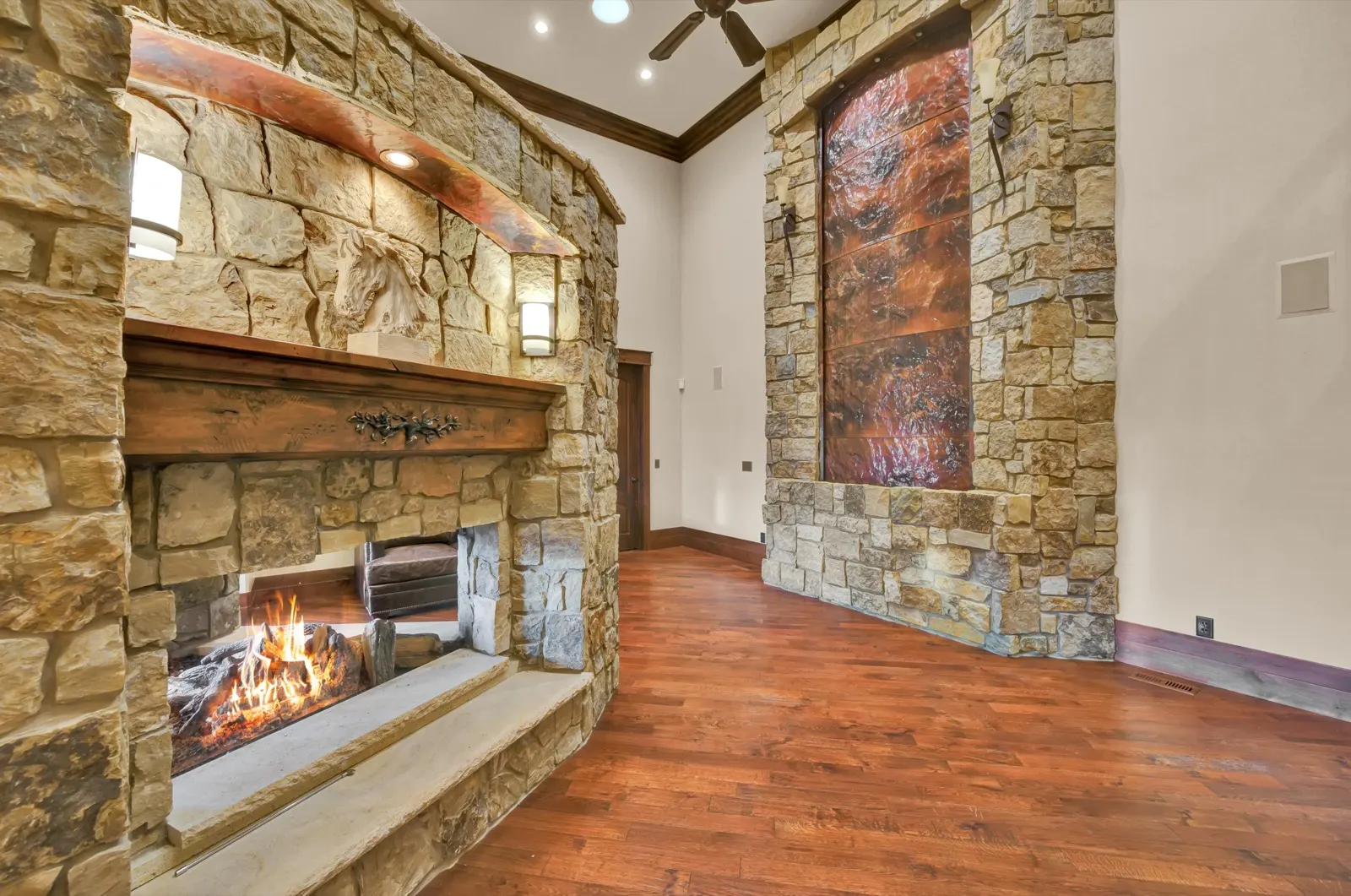




Meals
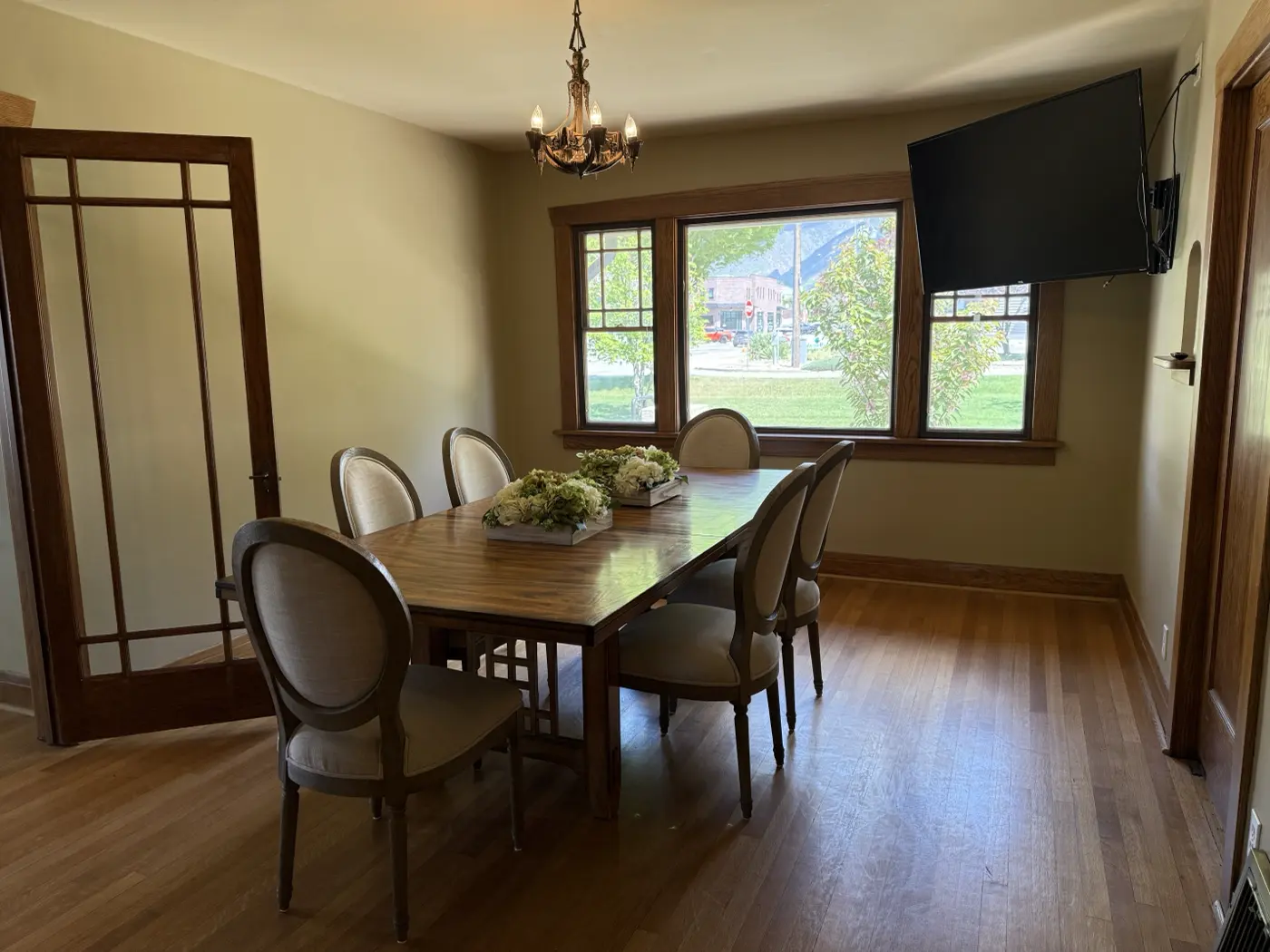
Meals are cooked on site, seven days a week, with whole foods and vegetables from our garden when they’re in season. Breakfast is simple and yours to make; lunch and dinner come from the kitchen.
Our kitchen manages food allergies, always has vegetarian options, can cook vegan and often makes gluten- and dairy-free meals. Our registered dietitian works with you when it fits your plan, and the kitchen runs a weekly cooking class. Read about holistic nutrition for mental health.
- Cooked on site every day
- Garden vegetables in season
- Allergies and diets handled
- Weekly cooking class
Phones, devices and visits
The phone rules ease you in. They’re there so you can focus in the first days, and they loosen as you settle.
- Days 1–2A short pause
No calls for the first two days while you settle in.
- From day 3Evening calls
Calls from the house phone in the evening, about 6 to 8 p.m.
- From about day 7Your own devices
Your phone, laptop or tablet for about three hours a day, outside program times.
- Second weekendVisits on site
Family and friends can visit the house; off-site passes come later.
A Note on Technology
Limits on phones and the internet are one of the hardest adjustments for many people, and they’re intentional. Constant access to social media, news and outside stress competes with the focus treatment needs. Your device hours fall outside programming: about 7:30 to 8:30 in the morning and 6 to 8 in the evening, which also keeps screens away before bed. Rather than a loss, many people find it one of the most unexpected benefits of their stay.
Medications and psychiatry
You see your psychiatric provider every week, and medication changes are made with you, not to you.
At intake
Bring every medication in its original pharmacy-labeled bottle. The medical team reviews them, manages them and gives them to you as your plan sets out.
Each week
A weekly psychiatric visit to review how you’re doing, adjust doses and talk through options, with genetic testing results to guide choices.
Controlled medications
Prescribed controlled medications follow our medication policy, and the team reviews them with you before admission.
MAT
Medication for addiction treatment isn’t started, managed or tapered here. If you take methadone, buprenorphine or naltrexone, admissions reviews it with you before you come.
Corner Canyon is a mental health program first, with co-occurring substance use treated alongside. Detox isn’t offered, so you’ll need to be clean and sober for at least five days before admission.
Activities
Movement, creativity and time outside are part of your week, not extras. See our experiential and recreational therapy for more.
- GymEvery weekday afternoon, optional Saturday
- PoolEvenings at the Pioneer Road house
- Yoga and breathworkGentle, at your own pace
- Equine therapyWednesday mornings, at a partner barn
- Art therapyAnd sand tray groups
- Hikes and outingsMostly at weekends
What to pack for residential treatment
The days before admission are emotional enough. A clear checklist takes one worry off your plate so you can focus on getting well. Admissions also emails you our full packing list before you arrive; when in doubt about an item, call us before you pack it.
Documents and Paperwork
These make intake go smoothly. Have them ready the night before admission.
- Government-issued photo ID, such as a driver’s license, state ID or passport
- Your insurance card and any pre-authorization or approval letters from your insurer
- A written list of all current medications, with dosages, prescribing doctors and pharmacy contact information
- Copies of recent medical or psychiatric records, if you have them and we’ve asked for them
- Names and phone numbers of your primary care doctor, psychiatrist and outpatient therapist
- Emergency contact names, phone numbers and addresses
- A small amount of cash or a debit card for personal items on the weekly shopping trip
Medications
Bring all current prescriptions in their original pharmacy-labeled bottles, with your name on the label. No pill organizers or loose pills.
- The medical team reviews everything at intake, manages your medications and gives them to you as your plan sets out
- Bring vitamins or over-the-counter supplements you take regularly, but check with us first
- Never bring medications that aren’t prescribed to you
Clothing
Pack for comfort. Clothing should be comfortable and modest, so no revealing tops or very short shorts. There’s laundry at the house, so one to two weeks of clothing is enough.
- Comfortable, loose-fitting clothes such as jeans, leggings, T-shirts and sweatshirts
- Pajamas or comfortable sleepwear
- Workout clothes and supportive athletic shoes for the gym and hikes
- A swimsuit: the gym has a pool and hot tub, and summer outings sometimes go to a reservoir
- Sunglasses and a hat
- Layers, such as a light jacket or hoodie
- Slip-on shoes or sandals for indoors
- Underwear and socks for at least a week
Toiletries and Personal Care
Bring enough for your stay. Alcohol-free, non-aerosol products are best; basics are provided, and you’re welcome to bring your own favorites.
- Toothbrush and alcohol-free toothpaste
- Shampoo, conditioner and body wash
- Stick or roll-on deodorant
- Moisturizer and lip balm
- Feminine hygiene products, if needed
- Hairbrush or comb, hair ties and your usual hair care
- Disposable razors
- Glasses or contacts and solution, plus your prescription
- Sunscreen: Utah is sunny, and you’ll be outdoors
Comfort and Personal Items
Small personal touches make a new space feel like yours.
- A few printed photos of people, pets or places you love (no glass frames)
- A journal or notebook and pens: writing is often part of therapy
- Books, from fiction to personal growth
- A sketchbook and colored pencils or markers, or other hobby supplies
- Playing cards, a crossword book or an adult coloring book
- A small stuffed animal, a weighted blanket or your own bedding
- A written list of phone numbers for family and close friends
What Not to Bring
Some items are restricted to keep everyone safe and focused on treatment. Please leave these at home:
- Alcohol or drugs of any kind
- Sharp objects such as scissors, razors with removable blades or metal-tipped nail files
- Reusable vapes (nicotine is allowed; disposable vapes only)
- Valuables such as jewelry, expensive watches or large amounts of cash
- Aerosol cans, including hairspray and dry shampoo
- Products containing alcohol, such as some mouthwashes and hand sanitizers
- Weapons of any kind
- Medications belonging to someone else
- Pornographic or sexually explicit material
- Exercise equipment
- Bathroom scales
- Energy drinks
- Body-building or weight-loss supplements
- Clothing with drug or alcohol logos
- Cigars, pipes and butane lighters
Preparing at Home Before You Leave
Packing is only part of it. Taking care of practical matters in the week before admission means fewer distractions during treatment.
Work or school
Tell your employer or school about your leave. You don’t have to share your diagnosis. The Family and Medical Leave Act (FMLA) protects qualifying medical leave, so ask HR about your options, and ask admissions about work leave paperwork.
Bills
Set up automatic payments or ask someone you trust to manage bills while you’re away.
Children
Arrange school pickup, routines and emergency contacts. Keep their schedule as normal as possible, and give them a simple, honest explanation that you’re going somewhere to get help.
Pets
Line up a pet sitter, a friend or boarding before admission day.
Out-of-office
Set an email and voicemail message saying you’re unavailable. You don’t owe anyone an explanation.
Legal and money matters
Handle anything urgent before you leave, or ask someone you trust to look after it.
Key Takeaways
- Use our packing list as the final word; this guide is a good starting point.
- Pack light and practical: comfort matters more than variety, and there’s laundry at the house.
- Home preparation (work leave, bills, children, pets) matters as much as packing. Start at least a week before admission.
- Choosing treatment is one of the most meaningful things you can do for yourself and the people who love you. The logistics will work out.
How Do You Build a Personalized Aftercare Plan Before Leaving Residential Treatment?
After residential treatment, most people move into a step-down plan that gradually lowers intensity while keeping support, with a focus on relapse prevention, safety and returning to daily life. The plan is built with your treatment team, not for you, starts early in your stay and aims for continuity rather than a cliff [1].
Core components of the plan
Comprehensive assessment
Clarifying diagnosis, risk, functional needs and practical needs (housing, finances, support) guides the level-of-care recommendation.
Therapeutic continuity
Your first therapy and psychiatry appointments after discharge are planned, ideally booked within 7 days, which lowers readmission risk.
Medication management
A clear schedule and prescriber, and who will handle refills and monitoring after you leave.
Crisis plan
A written plan with warning signs, coping strategies and who to call if things feel overwhelming.
Short-term goals
Specific goals for your first 30, 60 and 90 days.
Warm handoffs
Besides a detailed discharge summary, direct contact between our staff and your next providers improves follow-up.
What are the most common levels of care after residential, and how do you choose?
Most discharge plans set out a sequence of levels rather than a single next step. At Corner Canyon, you can step down to PHP and IOP in Draper with the same team.
LevelIntensityFrequencyMain goals
PHPHigh5 days a week, several hours a dayStabilize symptoms, solidify coping skills, monitor safety and medications
IOPModerate3 or 5 mornings a week here, 9:30 to 12:30Practice skills in real life, support a return to work or school
OutpatientLowerWeekly or every other weekLong-term recovery, relapse prevention, life goals
Community supportsVariesAs neededHousing stability, social support, practical help
Community and supportive options include supported housing or living with family with added supports, when living alone isn’t yet safe or stable. Corner Canyon doesn’t offer weekly outpatient therapy; your team helps you set it up near home.
Relapse prevention and long-term maintenance
Many mental health conditions recur, so aftercare targets keeping your gains [1]:
- Maintenance therapy: continued CBT, DBT or other approaches at lower intensity can reduce recurrence [2].
- Medication maintenance: ongoing medications with monitoring and education support stability.
- Skills and safety planning: a written safety plan with coping strategies and early warning signs, including steps if there’s a risk of suicide or self-harm.
- Digital supports: aftercare apps can help keep gains between sessions [3] [4].
Role of family, community and case management
Social support often decides how smooth the transition is.
- Family and caregivers: learning about the condition, warning signs and communication can ease conflict. See support for families.
- Case management: help with appointments, benefits, transportation and communication between providers.
- Community resources: peer support groups, psychosocial programs, vocational support and community mental health services.
Building your ecosystem: the pillars of daily life
Pillar 1: Personal routine
Sleep, nutrition, hydration, and productive and restorative activities.
Pillar 2: Social support
Identifying supportive, neutral and harmful relationships; family therapy as needed; new connections through support groups, hobby clubs and peer specialists.
Pillar 3: Purpose and engagement
A gradual return to work or school, volunteering to rebuild routine and self-esteem, and hobbies that bring joy.
Managing challenges: relapse prevention and self-compassion
- Redefining “relapse”: setbacks aren’t failures; they’re part of a recovery that rarely runs in a straight line.
- Using your crisis plan: reaching out for help is a sign of strength.
- Self-compassion: be kind to yourself, celebrate small wins and acknowledge how hard this is.
In our clients’ words
Three mental health facilities in Draper, Utah
Clients come to us from across Utah and the country. Admissions helps you plan your arrival.

Questions about life in residential treatment
Have another question? Our admissions team takes calls at any hour; after hours, we call you back from 9 a.m. MT.
Call (801) 383-0810Is Corner Canyon locked?
Corner Canyon is a voluntary, unlocked program in home-style houses, with program staff on site around the clock.
Can I keep my phone?
After a two-day pause, you can call from the house phone in the evening. From about day seven you have your own phone, laptop or tablet for about three hours a day, in the morning and evening, outside program times.
Can family visit?
Yes. On-site visits start from your second weekend, and off-site passes come later in your stay, as your team recommends.
Will I have a roommate?
Most likely. Most rooms are shared by two or three people. Two private rooms are kept for clinical need, at no extra charge.
Are men and women in the same house?
Our two residential houses are coed, with men and women on separate floors. You’re placed according to your gender identity. Read about residential treatment.
Can I bring my medications?
Yes. Bring them in their original pharmacy-labeled bottles. The medical team reviews them at intake, manages them and gives them to you. If you take methadone, buprenorphine or naltrexone, admissions reviews that with you before you come, because medication for addiction treatment isn’t started, managed or tapered here.
How long will I stay?
Length of stay is set by your clinical team and reviewed every week, based on your goals and progress. Insurance decides how many days are covered, and our team works with your plan.
Can you help with FMLA paperwork?
Ask admissions about work leave paperwork before you come. Under the Family and Medical Leave Act, qualifying medical leave is job-protected, and your HR department can explain your options.
Sources
The research and guidelines cited on this page. Numbers match the references in the text, and links open the original source.
4 sources cited
- 1Preventing Relapse of a Mental IllnessRead the sourceheretohelp.bc.ca
- 22024Ensuring Continuity of Care: Effective Strategies for the Post-hospitalization Transition of Psychiatric Patients in a Family Medicine Outpatient ClinicRead the sourcedoi.org
- 32022Usage Intensity of a Relapse Prevention Program and Its Relation to Symptom Severity in Remitted Patients With Anxiety and Depression: Pre-Post StudyRead the sourcedoi.org
- 42018Internet- and mobile-based aftercare and relapse prevention in mental disorders: A systematic review and recommendations for future researchRead the sourcedoi.org
Talk to someone today
Want a tour over the phone first? Our admissions team takes calls at any hour (after hours, we call you back from 9 a.m. MT), and can walk you through the house, the schedule and what to bring. When you’re ready, apply online.