Skip to content

Neurodivergent Treatment for Adults in Draper, Utah

Residential, PHP and IOP care in Draper, Utah, for autistic adults and adults with ADHD whose anxiety, depression, trauma or burnout needs more than weekly therapy. We don’t try to change how your brain works; we adapt treatment to it.

Clinically reviewed by Sara Sorenson, LCMHC, Director of Clinical Development

  • Predictable daily routine
  • Full assessment at intake
  • Draper, Utah

Check my insurance coverage

100% confidential · No commitment required

Insurance card photos (optional, speeds verification up)

Or call (801) 383-0810. See our Privacy Policy and Notice of Privacy Practices.

If this is a medical emergency, call 911. For a mental health or suicide crisis, call or text 988.

  • The Joint Commission Gold Seal of Approval
  • Licensed by the Utah Department of Health and Human Services, license F23-98436
  • Verified by Psychology Today
  • LegitScript Certified

Mental health treatment for autistic adults and adults with ADHD

Neurodivergent treatment at Corner Canyon is for adults whose anxiety, depression, trauma or burnout needs more than weekly therapy. Many are young adults moving toward independence; see our mental health treatment for young adults.

Corner Canyon fits when…

  • Anxiety, depression, trauma or burnout is the reason you need more support
  • Weekly therapy isn’t enough right now
  • You can take part in a group-based, structured program
  • You’re a young adult moving toward independence, or an adult of any age

Another service fits better when…

  • You only need an ADHD, autism or psychological evaluation
  • Autism or ADHD itself is the main focus of care
  • You need a high level of daily living support

Admissions can point you to evaluations and specialized programs.

What are neurodivergent disorders?

Neurodivergent conditions affect how the brain develops and works compared with neurotypical development, shaping thinking, learning, behavior, social interaction, communication or sensory processing. They’re natural variations in human neurology, not illnesses, with unique strengths as well as challenges in a world designed for neurotypical people.

Autism (ASD)

Autism spectrum disorder

Differences in social communication, interaction, behavior and sensory processing that begin in early childhood. As a spectrum, it looks different in each person, as do support needs. It isn’t an illness or a deficit, but a different way of thinking and experiencing the world.

Common strengths
  • Pattern recognition
  • Loyalty
  • Deep focus
  • Attention to detail
  • Honesty

ADHD

Attention deficit hyperactivity disorder

A common neurodevelopmental condition affecting focus, attention and impulse control in children and adults. It isn’t laziness or poor discipline: it comes from biological differences in brain structure and chemistry, especially dopamine and norepinephrine.

Common strengths
  • Creativity
  • Resilience
  • Hyperfocus

Tourette syndrome

A tic disorder

Marked by tics: sudden, repetitive, involuntary movements or sounds. Both motor and vocal tics must be present for over a year for a diagnosis. It doesn’t get worse for most people, and tics often ease into adulthood.

Good to know
  • Often comes with ADHD or OCD
  • Tics can ease in adulthood

Signs and symptoms of autism, ADHD and Tourette syndrome

Presentation varies widely from person to person, and many people notice some of these now and then. A diagnosis means they’re persistent and get in the way of daily life.

ASD symptoms

Two core areas, present from early childhood.

Social communication and interaction

  • Back-and-forth conversation
  • Starting or responding to social interaction
  • Body language and eye contact
  • Gestures and facial expressions
  • Making and keeping friends
  • Adapting to social situations

Restricted, repetitive patterns

  • Hand flapping or rocking
  • Insistence on sameness
  • Distress at small changes
  • Intense, focused interests
  • Sensitivity to sounds or textures
  • Over- or under-sensitivity to pain or temperature

ADHD symptoms

Several symptoms for at least six months, in more than one setting.

Inattention

  • Hard to sustain focus
  • Careless mistakes
  • Seeming not to listen
  • Unfinished tasks
  • Disorganization
  • Avoiding long mental effort
  • Losing keys, wallet or phone
  • Easily distracted
  • Forgetfulness

Hyperactivity and impulsivity

  • Fidgeting or tapping
  • Restlessness
  • Hard to do quiet activities
  • Always “on the go”
  • Talking a lot
  • Blurting out answers
  • Hard to wait a turn
  • Interrupting

Tourette symptoms

Tics often start in childhood and can worsen with stress, excitement or tiredness. An uncomfortable urge often comes first.

Motor tics

  • Blinking
  • Grimacing
  • Head jerking
  • Shoulder shrugging
  • Nose twitching
  • Combined movements
  • Touching objects or people
  • Hopping
  • Copying movements (echopraxia)

Vocal tics

  • Throat clearing
  • Grunting
  • Sniffing
  • Coughing
  • Words out of context
  • Repeating own words (palilalia)
  • Repeating others’ words (echolalia)
  • Rarely, swear words (coprolalia)
ADHDAutismAnxiety &depressionOftentogether

How neurodivergent disorders co-occur with other mental health issues

ADHD, autism and Tourette syndrome often occur together, and with anxiety, depression and sometimes substance use. That can affect self-esteem, work and relationships, which is why care that treats both matters.

  • Shared neurological factors

    Overlapping differences in brain structure, function and chemistry create a shared vulnerability.

  • Chronic stress and masking

    Coping with a world not designed for neurodivergent minds, and masking to fit in, is exhausting.

  • Diagnostic overlap

    ADHD rejection sensitivity can look like social anxiety; autistic burnout can look like depression. Read about ADHD and social anxiety.

ADHD and OCD can look alike too. Read OCD vs ADHD.

Living well with neurodivergence: support and skills building

The focus isn’t on fixing you. It’s on support and skills that improve quality of life, relationships and daily functioning, so you can thrive with the brain you have.

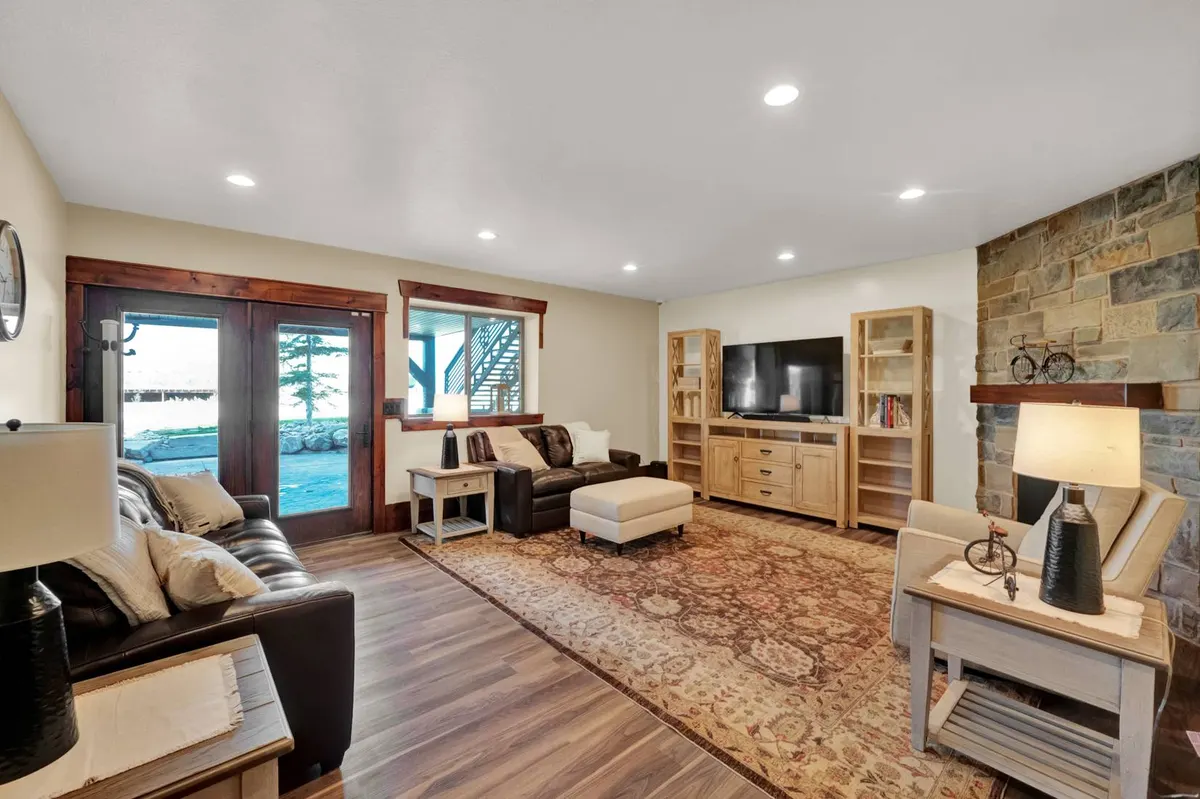
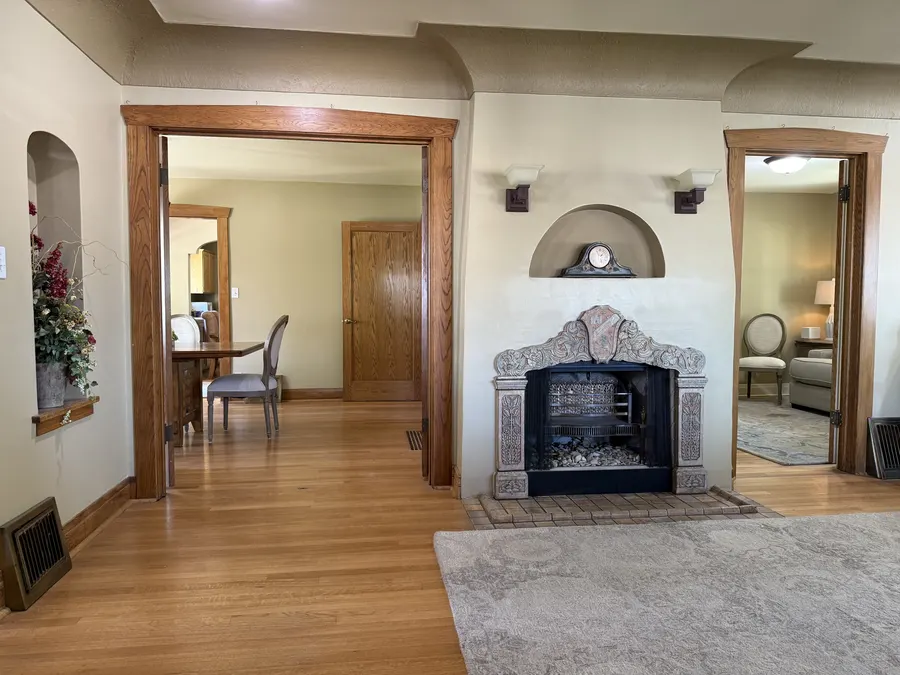
A bright living room with sofas at a Corner Canyon residential house

Predictable schedule

The same daily structure, so you know what’s coming and can plan your energy.

Skills-based therapy

CBT and DBT skills for executive function, emotions and social communication. See our anxiety treatment.

Sensory accommodations

Adapting for sound sensitivity, such as noise-canceling headphones.

Building on strengths

Hyperfocus, pattern recognition and creativity become part of your goals.

Neurodivergent community

Groups and peer support with people who get it, to ease isolation.

Medication management

Weekly psychiatric visits; prescribed ADHD medication continued when appropriate. See our depression treatment.

Diagnostic and treatment approach

Diagnosing neurodivergent conditions takes a thorough evaluation by a specialist psychiatrist or psychologist, because symptoms vary so much. Here’s how it works with us. Read about our clinical assessment.

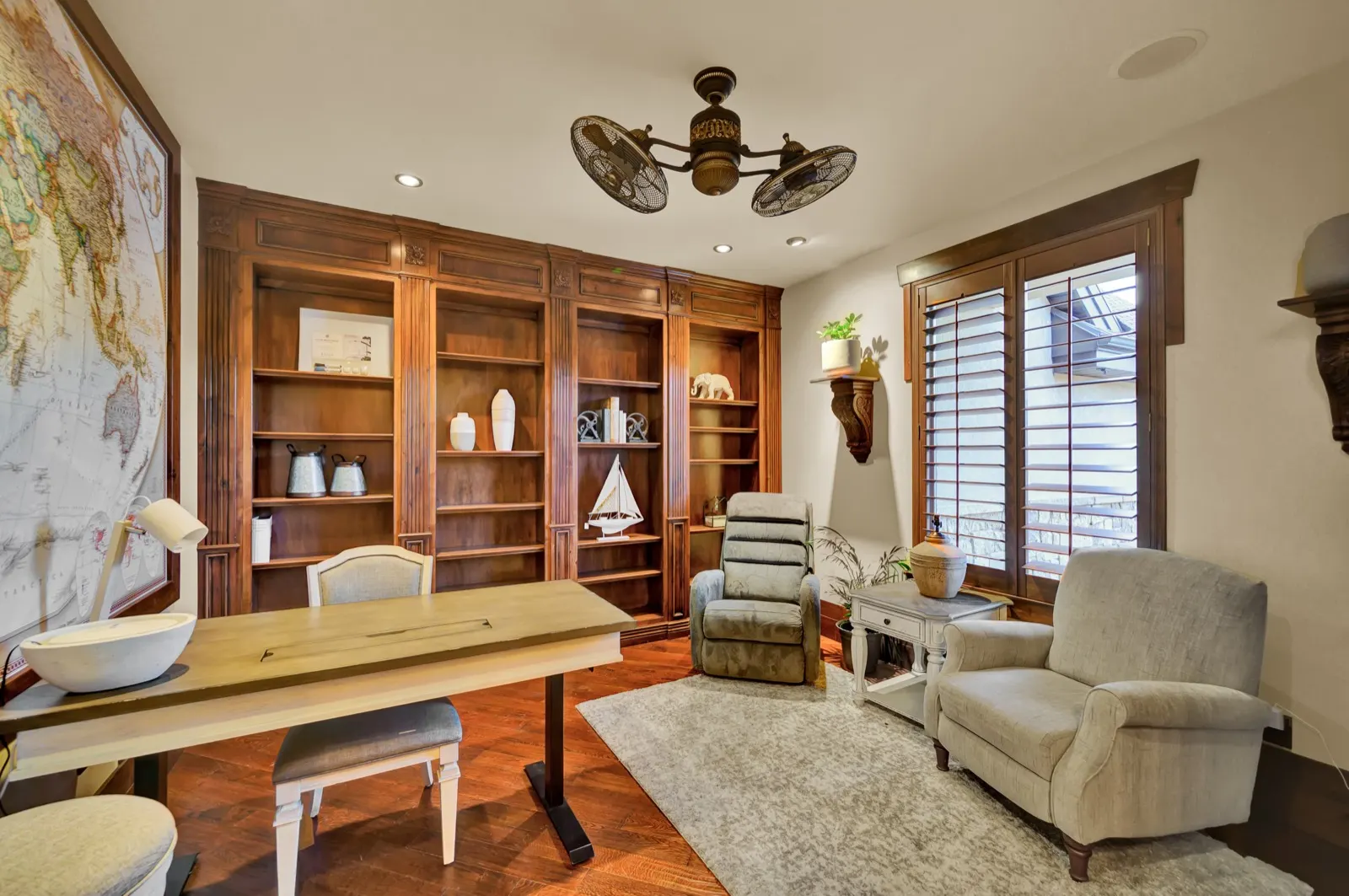
A quiet library room with bookshelves, a desk and armchairs at a Corner Canyon residential house
  1. Call admissions

    Talk through what’s going on and whether the program fits.

  2. Assessment at intake

    Your psychiatric team assesses you and works from a working diagnosis.

  3. Treatment

    Therapy, psychiatric care, groups and family involvement, adapted to you.

  4. Testing if needed

    Formal ADHD, autism or psychological testing is arranged outside the program.

Neurodivergent treatment programs in Utah

Residential, PHP and IOP in Draper, with the same team and the same routine as you step down.

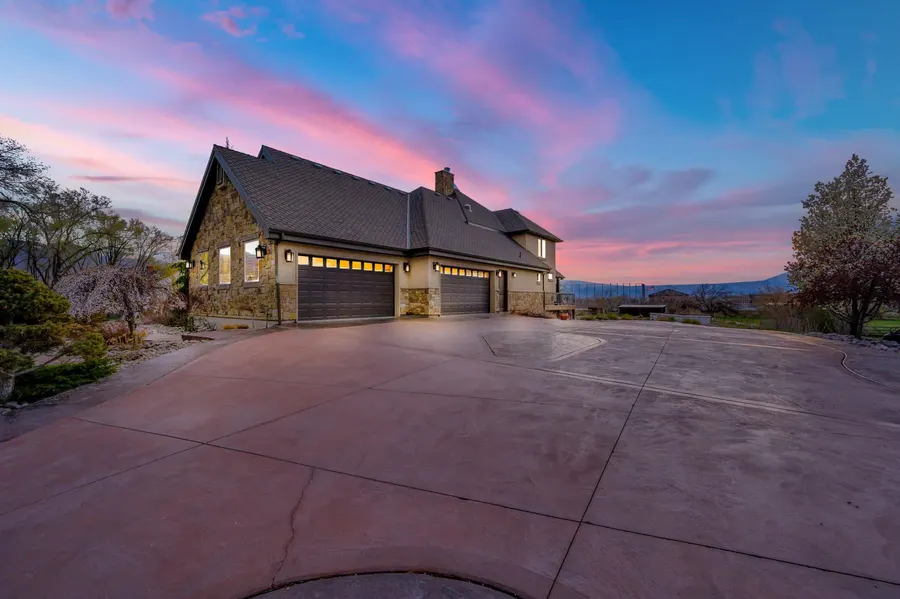
A Corner Canyon residential house

Residential

24-hour support and a steady daily routine, with care for the depression, anxiety or trauma that brought you here. Learn about our residential mental health treatment.

ADHD and autism resources

Guides from our team on how neurodivergence overlaps with mental health.

OCD vs ADHD

Key differences, where they overlap, and how each is treated.

Check my insurance coverage

100% confidential · No commitment required

Insurance card photos (optional, speeds verification up)

Or call (801) 383-0810. See our Privacy Policy and Notice of Privacy Practices.

Paying for treatment

We work with most PPO plans that include out-of-network benefits, and with self-pay. Our admissions team checks your mental health insurance benefits for free before you start.

PPO plans with out-of-network benefitsUsually covered
Self-payPayment options
Single case agreementsAsk admissions

Read about cost and payment options.

Check my insurance coverage

100% confidential · No commitment required

Insurance card photos (optional, speeds verification up)

Or call (801) 383-0810. See our Privacy Policy and Notice of Privacy Practices.

Blue Cross Blue ShieldAetnaCignaUnitedHealthcareAnthemHighmarkHumanaGEHAUMRHealthPartnersMagellan HealthCarelonFirst Choice HealthMedical MutualPrimero

In our clients’ words

★★★★★

My experience at Corner Canyon to put it simply, was life changing. The program gave me a structure to set a solid foundation for my life outside of treatment. The people that are involved with Corner Canyon are amazing. From the staff, to the clients, these people quickly began to feel like family. This place felt like home to me. I truly was cared for in a way that I had never been before. I can honestly say that in the 62 days I was there I didn’t have a single bad day, and that to me speaks volumes. I’m grateful to have had the experience that I did. To anyone who is looking for help – I would heavily recommend going to Corner Canyon.

sav headdenGoogle review
★★★★★

I arrived at Corner Canyon during the worst depressive episode of my life. I had no hope and felt disconnected from everything. I’m a therapist, and I had been doing all the “right” things to care for myself. But sometimes self-care is simply not enough.

Jordan BrownGoogle review
★★★★★

Corner Canyon has put together an excellent residential program. I need a comprehensive program that addressed my health and mental health with cutting edge treatment — they exceeded my expectations. With the continuum of health, mental health, and wellness services offered – they truly individualized my treatment plan. They have an excellent, well-trained staff that genuinely care. I wish I had found them 5, 10 years ago it would have saved me a lot of heart ache. I feel ALOT better than I have felt in sometime and as I continue to take care of myself, I am confident I will be an even better version of myself. Michelle Feb-Mar 2023

Angel Warrior 68Google review
★★★★★

When I came to Corner Canyon I was lost. I was 31 years old, struggling with addiction issues and my own mental health, and didn’t know which way to turn. I was very fortunate to land here. Through the help of some people who loved and cared about me, they got me in the doors of this wonderful program.

I was nervous at first, but I soon realized I was amongst peers who were feeling and going through the same things, which put me at ease. I was surrounded by staff who themselves had been through their own treatment and had such compassion and support for me and my well-being.

The Clinical team is wonderful and they are all highly trained experts. They practice many different modalities and with that they were able to get to the core of my issues to treat both my trauma, and subsequently my substance abuse. They did this with such grace, compassion, and empathy, that I always felt they had my best care in mind.

I could write forever about how this place changed my life, but the reality is that there would never be enough words. This program, it’s wonderful staff, and the people who come here make this place more than just a rehabilitation center. It’s a home. I found myself here, I found my tribe, and I was able to unlock decades worth of trauma that led me to a life I didn’t want to lead. After coming here I found the life I always wanted, and it started at Corner Canyon.
Dominique SuazoGoogle review

Three mental health facilities in Draper, Utah

Clients come to us from across Utah and the country. Admissions helps you plan your arrival.

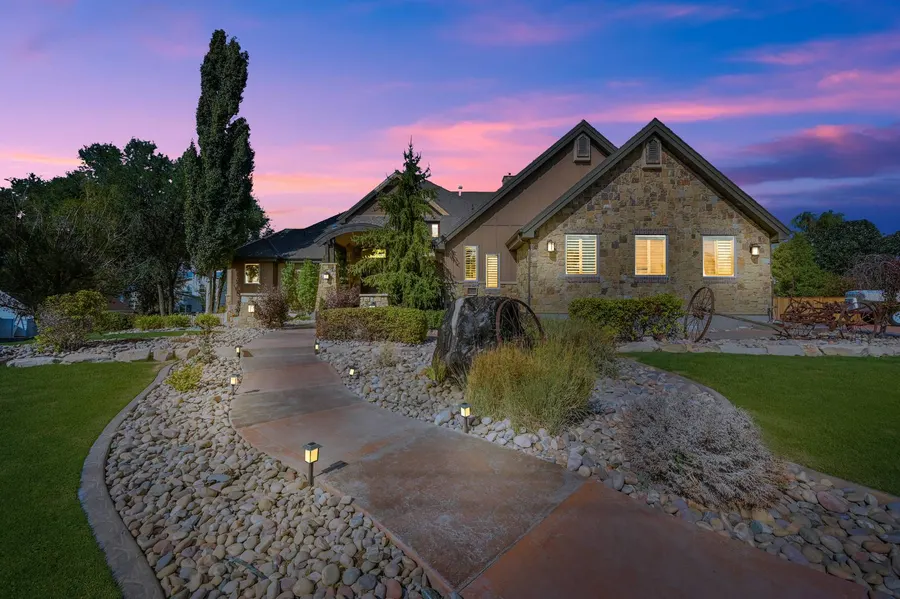
Front entrance of the Corner Canyon residential house on Fort Street in Draper
Residential

Fort Street House

13020 S Fort St
Draper, UT 84020

Get directions
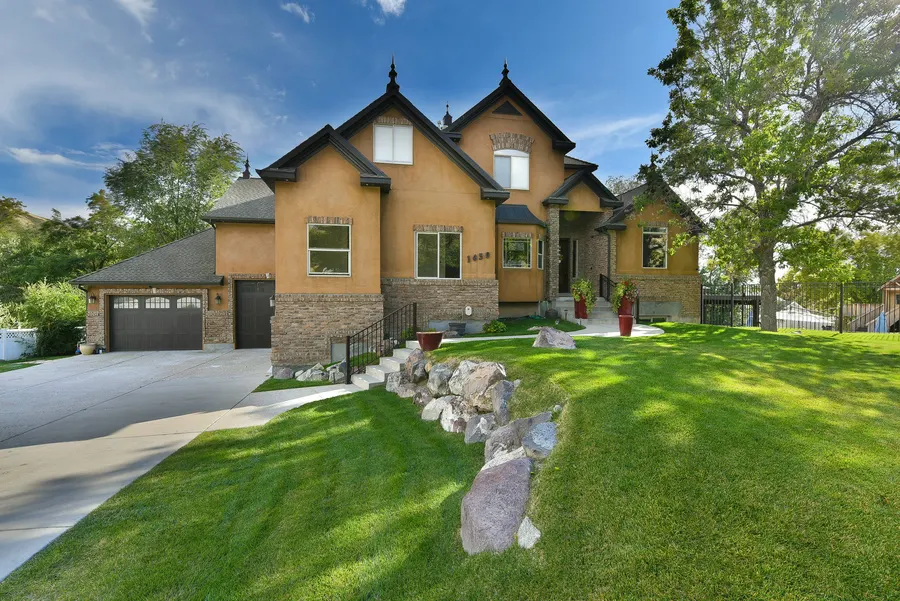
Front lawn and house at the Corner Canyon Pioneer Road residence in Draper
Residential

Pioneer Road House

1450 Pioneer Rd
Draper, UT 84020

Get directions
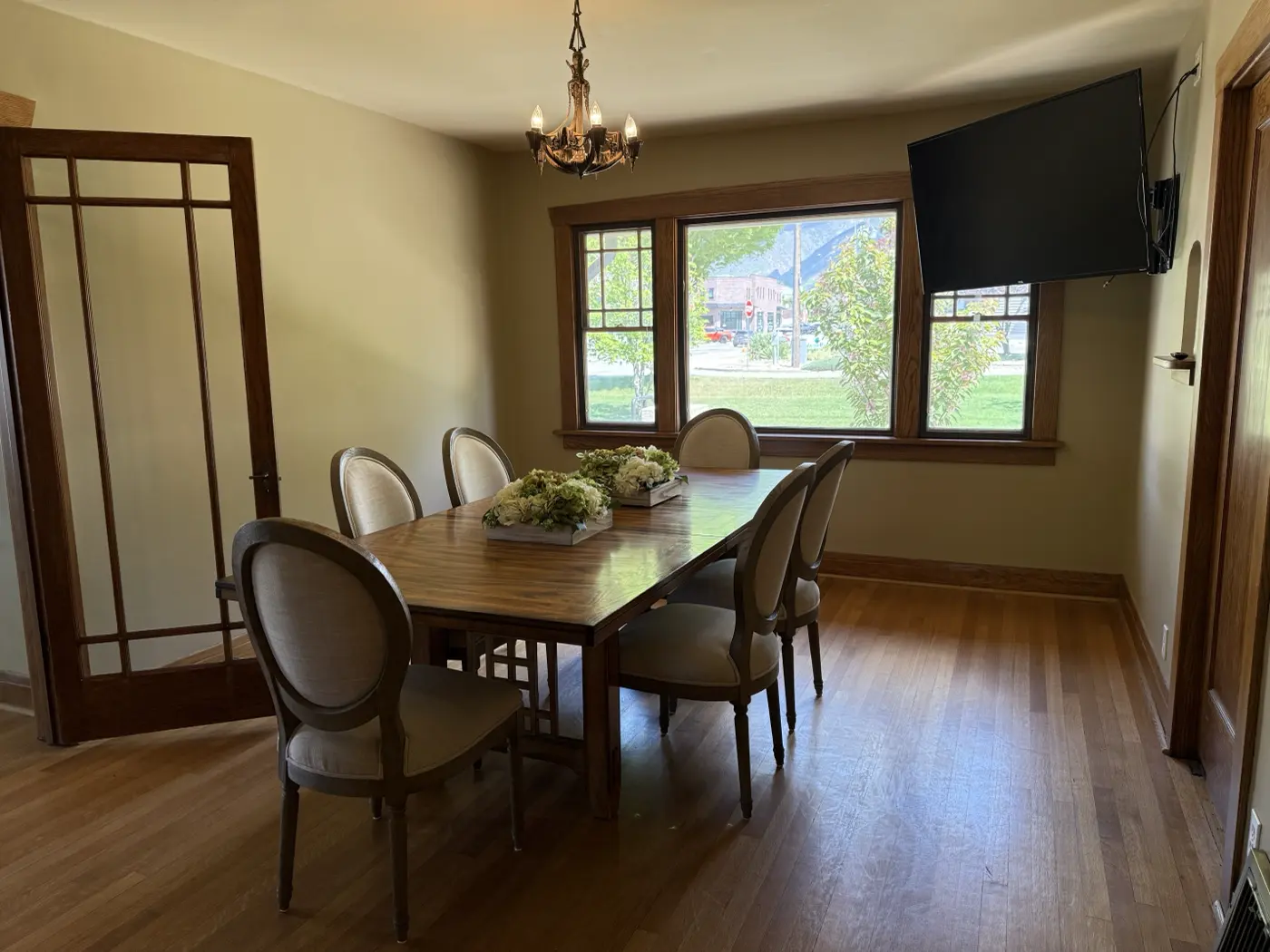
The bright dining room with a long table and big windows at the Corner Canyon day-treatment house on Pioneer Road
PHP & IOP

Outpatient Center

782 Pioneer Rd
Draper, UT 84020

Get directions

Questions about neurodivergent adults and treatment

Have another question? Our admissions team takes calls at any hour; after hours, we call you back from 9 a.m. MT.

Call (801) 383-0810

Do you offer ADHD or autism testing?

Not as a standalone service, and formal psychological testing isn’t done in house. Your psychiatric team assesses you at intake as part of treatment, and admissions can connect you with a psychological evaluation. Read about our clinical assessment.

Do you treat autistic adults?

Yes, when anxiety, depression, trauma or burnout is the reason for treatment and you can take part in a group-based program. Admissions reviews each person’s needs.

Can I keep taking ADHD medication?

Your psychiatric provider reviews all medications with you. Prescribed ADHD medication can be continued when it’s medically appropriate and a good fit, under your team’s supervision.

How do you adapt treatment?

Through a predictable daily schedule, skills-based therapy such as CBT and DBT, and sensory accommodations such as noise-canceling headphones.

Can ADHD look like OCD or anxiety?

Yes, and they often overlap. Read our guides on OCD vs ADHD and ADHD and social anxiety.

Can neurodivergent disorders be treated?

The goal isn’t to change who you are. The mental health conditions that often come with neurodivergence can be treated with therapy from a multidisciplinary team and, for some people, medication, alongside support and skills building.

What are the main neurodivergent disorders?

The most common are autism spectrum disorder (ASD), attention deficit hyperactivity disorder (ADHD) and Tourette syndrome.

Can these conditions be diagnosed?

Yes, usually through a thorough evaluation by a psychiatrist or psychologist who specializes in these conditions. Corner Canyon doesn’t provide that testing on its own, and admissions can point you to an evaluation.

Talk to someone today

Not sure we’re the right fit? Call anyway. Our admissions team takes calls at any hour (after hours, we call you back from 9 a.m. MT), and will help you find the right next step.

In crisis? Call or text 988 or call 911.

Google reviews4.7Residential, Draper57+ reviewsDay treatment, Pioneer RdPHP and IOP
4.7 Google reviews