




LGBTQ+ Mental Health Residential Treatment in Draper, Utah
Corner Canyon offers affirming residential, PHP and IOP care for LGBTQ+ adults 18 and older in Draper, Utah. We treat the trauma, depression and anxiety you came in with, and we respect who you are from the first call, as we do for everyone we help.
Clinically reviewed by Sara Sorenson, LCMHC, Director of Clinical Development
- Rooms by your identity
- Your name and pronouns
- Hormone therapy continued
Call (801) 383-0810
Prefer to call? (801) 383-0810
Thank you, we have your details
Admissions will call you to go over your coverage, usually the same business day. If it’s urgent, call (801) 383-0810.
How Does LGBTQIA+-Affirming Mental Health Treatment Work at Corner Canyon?
At Corner Canyon Health Centers, our priority is our clients’ needs. We offer care that helps every client feel comfortable, safe and supported, so they can heal, whatever challenges they’re facing.
That matters for everyone, and it can be especially valuable for LGBTQIA+ clients. The therapy methods we use are designed to work with the presenting concerns of all our clients, and with individualized care, every treatment plan is built to help you heal and build skills to move forward in your life.
Corner Canyon’s personnel include LGBTQIA+ members at all levels of the organization. We train our staff to respect preferred pronouns, and clients can choose either gender floor to room on.
What LGBTQ+ affirming therapy means here
Affirming is a set of policies, not a slogan. Here’s what happens with your room, your name and your hormones from the day you arrive.
Rooms by your gender identity
You choose the gender floor you room on, and you’re placed according to your identity.
Your name and pronouns
Every staff member uses your chosen name and pronouns, from the first call on.
Hormone therapy continued
If you already take hormones, they continue while you’re here. We coordinate with University of Utah Health when you need extra medical support.
Private rooms when needed
Private rooms are kept for clinical need, and your team decides with you.
LGBTQ+ staff at every level
Our team includes LGBTQ+ people throughout the organization, and every staff member is trained in affirming care.
What we help with
Being LGBTQ+ isn’t what we treat. We treat what you’re struggling with, with care that understands the stress and rejection many LGBTQ+ adults face.
Trauma and minority stress
Harassment, rejection and discrimination can leave real trauma. Learn about our trauma and PTSD treatment.
Depression
Depression treatment that understands what you’ve been carrying.
Anxiety
Anxiety treatment for worry and panic that run your days.
Suicidal thoughts
Treatment for suicidal thoughts, with staff on site day and night.
Coming out and family rejection
Space to work through coming out, family conflict and loss, at your own pace.
Gender dysphoria
Gender dysphoria support alongside the trauma, depression or anxiety that brings you in.
For background, read LGBTQ+ mental health statistics.
Why LGBTQIA+ Individuals Face Unique Mental Health Challenges — and How We Help
Members of the lesbian, gay, bisexual, transgender, queer, intersex and asexual (LGBTQIA+) community may face additional challenges: a greater risk of harassment and violence, social shaming, and discrimination based on sexual orientation or gender identity. These stressors put sexual minorities at greater risk for a range of behavioral health issues.
Past-year substance use, 2020 [1]
Misused opioids in the past year
Had an alcohol use disorder in the past year
From the 2020 National Survey on Drug Use and Health; the pandemic affected data collection that year.
Every person, regardless of sexual orientation or gender identity, faces their own challenges with mental health. For LGBTQIA+ people, the added stress of legal and social consequences, possible victimization and a lack of adequate care can all play a role.
As a whole, people in the LGBTQIA+ community may face more mental health challenges than their heterosexual and cisgender peers. That makes it vital for mental health programs to provide the safety and support that help healing.
We’re a mental health program first, and we treat co-occurring substance use alongside it. Read our LGBTQ+ mental health statistics guide for more.
LGBTQIA+ Specialized Mental Health Treatment in Utah
Mental health treatment can be highly beneficial for LGBTQIA+ adults struggling with mental health and co-occurring issues. Corner Canyon offers a safe and supportive environment designed around the needs and challenges of this community.
Safe space
Corner Canyon is inclusively designed for LGBTQIA+ individuals: a place to be yourself without fear of discrimination or judgment. That safety is critical for building trust and a sense of community, which are essential to healing.
Culturally competent care
Our programs are staffed by professionals who include members of the LGBTQIA+ community and staff knowledgeable about the issues it faces, so care takes your experiences into account and treatment is appropriate to you.
Support for identity exploration
If you’re working through questions about your sexual orientation or gender identity, you can explore them safely and without judgment, gaining a deeper understanding of yourself and confidence in your identity.
Peer support
Our programs connect you with others who share some of your experiences. That eases isolation, builds community and offers encouragement and accountability along the way.
Access to resources
Resources tailored to the LGBTQIA+ community: educational materials, outside support groups, and community resources such as LGBTQIA+ centers and advocacy organizations. When appropriate, we collaborate with the University of Utah for clients who need extra medical support with hormone therapy, and for other consults.
Addressing trauma
Many LGBTQIA+ people have experienced trauma related to their sexual orientation or gender identity. Here you can address it, and trauma of any kind, in a safe and supportive setting.
By providing a safe and supportive environment designed for this community, Corner Canyon helps clients build a fulfilling and meaningful life.
How we treat
Trauma therapy is at the center of care, in individual sessions and in groups where you can be yourself.
- EMDR therapyGuided eye movements help the brain reprocess traumatic memories, including identity-related trauma.
- Internal family systems therapyWorks with the different parts of you, with curiosity and care, including parts shaped by rejection.
- Dialectical behavior therapy (DBT)Skills for emotions, distress and relationships.
- Accelerated resolution therapy (ART)A focused eye-movement approach that changes how distressing images feel.
- Group therapyPeer support with people who share some of your experiences, so you feel less alone.
Your therapist chooses approaches with you, based on your history and goals. Explore all the therapies we use.
LGBTQ+ inpatient mental health: life in treatment
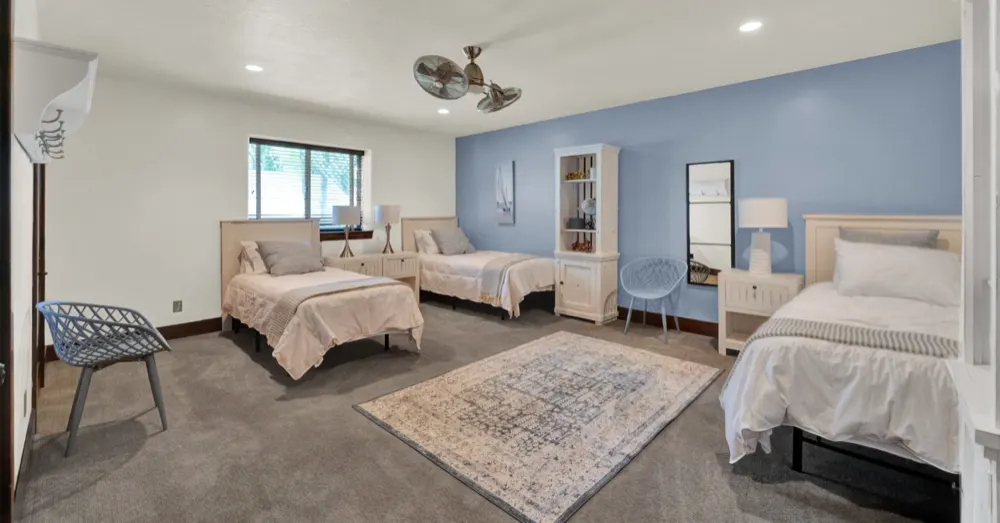
Our residential mental health treatment takes place in real homes in Draper, not a hospital unit.
- Voluntary treatment in unlocked, home-style houses, with staff on site around the clock
- Two small, home-style coed houses, with floors by gender and rooms assigned by your identity
- Room to explore questions about identity safely, with your therapist and your peers
- Connection to LGBTQ+ community resources and support for life after treatment
See what to expect in residential treatment, from packing to your first week.

Family and chosen family
The people you count as family are welcome to be part of your care, with your consent. That can include a partner, friends or chosen family joining our virtual friends-and-family support group, family sessions in your plan, and help planning life after treatment. For loved ones, here’s how to help a loved one get treatment.
Thank you, we have your details
Admissions will call you to go over your coverage, usually the same business day. If it’s urgent, call (801) 383-0810.
Paying for treatment
Coverage works the same as for any client. Many PPO plans with out-of-network benefits cover treatment, and our admissions team checks your insurance for mental health treatment for free.
PPO plans with out-of-network benefitsUsually covered
Self-payPayment options
Single case agreementsAsk admissions
Read about cost and payment options, including self-pay.
Thank you, we have your details
Admissions will call you to go over your coverage, usually the same business day. If it’s urgent, call (801) 383-0810.















In our clients’ words
Three mental health facilities in Draper, Utah
Clients come to us from across Utah and the country. Admissions helps you plan your arrival.


Questions LGBTQ+ adults ask us
Have another question? Our admissions team takes calls at any hour; after hours, we call you back from 9 a.m. MT.
Call (801) 383-0810Is Corner Canyon LGBTQ+ affirming?
Yes. Staff use your chosen name and pronouns, you’re housed according to your gender identity, and LGBTQ+ people work at every level of our team.
Can I continue hormone therapy during treatment?
Yes. If you’re already on hormone therapy, it continues while you’re here, and we coordinate with University of Utah Health when you need extra medical support. Starting hormones isn’t part of the program.
Where will I sleep?
You’re placed according to your gender identity and choose the gender floor you room on. Most rooms are shared, and private rooms are kept for clinical need.
Do you treat gender dysphoria?
We support adults with gender dysphoria alongside the trauma, depression or anxiety that brings them to treatment. Surgery isn’t part of care here. Read how to help someone with gender dysphoria.
Will other clients be LGBTQ+?
Clients come from many backgrounds, and LGBTQ+ adults, including transgender and nonbinary adults, are part of every program.
Can my partner or chosen family be involved?
Yes, with your consent, through our virtual friends-and-family support group and family sessions in your plan. Read how to help a loved one get treatment.
Is this program only for LGBTQ+ adults?
LGBTQ+ adults take part in the same residential, PHP and IOP programs as everyone else, with affirming policies throughout.
Does insurance cover it?
Coverage works the same as for any client: many PPO plans with out-of-network benefits cover treatment. Admissions checks your benefits for free. Read about cost and payment options.
Sources
The research and guidelines cited on this page. Numbers match the references in the text, and links open the original source.
2 sources cited
- 12020Substance Use and SUDs in LGBTQ* PopulationsRead the sourceweb.archive.org
- 220202020 National Survey on Drug Use and Health: Lesbian, Gay, and Bisexual (LGB) AdultsRead the sourceweb.archive.org
Talk to someone today
Ask us anything about rooming, pronouns or hormones before you decide. Our admissions team takes calls at any hour; after hours, we call you back from 9 a.m. MT.