Skip to content

Bipolar Disorder Treatment in Draper, Utah

Residential, PHP and IOP bipolar disorder treatment for adults in Draper, Utah, starting with a full assessment and a careful medication review. We help you get steady after an episode or a hospital stay, in a voluntary home setting built around routine and sleep.

Clinically reviewed by Sara Sorenson, LCMHC, Director of Clinical Development

  • Full assessment at intake
  • Residential, PHP and IOP
  • Draper, Utah

Check my insurance coverage

100% confidential · No commitment required

Insurance card photos (optional, speeds verification up)

Or call (801) 383-0810. See our Privacy Policy and Notice of Privacy Practices.

If this is a medical emergency, call 911. For a mental health or suicide crisis, call or text 988.

  • The Joint Commission Gold Seal of Approval
  • Licensed by the Utah Department of Health and Human Services, license F23-98436
  • Verified by Psychology Today
  • LegitScript Certified

Understanding bipolar disorder

Bipolar spectrum disorders are a group of mood disorders that involve episodes of mania or hypomania, which alternate with episodes of depression. Read more about the types of mania and how long manic episodes last.

Mania

Days of unusually high or irritable mood, with high energy, little need for sleep, racing thoughts and risky choices.

Hypomania

A milder lift in mood and energy that others notice, without the severe problems mania can bring.

Depressive episode

Weeks of low mood, low energy and loss of interest, often with sleep and appetite changes.

Mania is a period of abnormally elevated, extreme changes in mood or emotions, energy or activity that others recognize as beyond your usual self. Hypomania is a less severe form of mania. Bipolar spectrum disorders can seriously affect mood, behavior and daily functioning, along with relationships, work and personal life. They often occur with other conditions, such as anxiety disorders, substance use disorders and personality disorders, and they carry a higher risk of suicide, which is why steady, specialized care matters.

Types of bipolar disorder

Mania + depression

Bipolar I disorder

The most severe type: at least one episode of mania or a mixed episode, and usually one or more episodes of major depression. Mania is an elevated or irritable mood with more energy, racing thoughts, less need for sleep, grandiosity and risk-taking, and it can lead to hospitalization. A mixed episode combines mania and depression: sadness, hopelessness, irritability, agitation and restlessness.

Hypomania + depression

Bipolar II disorder

At least one episode of hypomania and one or more episodes of major depression. Hypomania is like mania but less severe and doesn’t usually lead to hospitalization. People with bipolar II often spend longer in depression than in hypomania, and the depression can be more severe than in bipolar I.

Milder, ongoing swings

Cyclothymic disorder

Chronic, fluctuating mood swings between periods of hypomania and periods of mild depression. The symptoms are less severe than in bipolar I or II, but they can still make daily life hard.

Formerly BP-NOS

Other specified bipolar disorder

For symptoms of bipolar disorder that don’t meet the full criteria for the types above, such as shorter or milder episodes, or rapid cycling (four or more episodes of mania, hypomania or depression within a year). It used to be called bipolar disorder not otherwise specified (BP-NOS).

Not sure how bipolar I and II differ? Read bipolar I vs bipolar II.

Is residential the right step?

Residential care fits when you’re stable enough for a voluntary home setting but need more than outpatient care to stay that way. Many people come to us after a psychiatric hospital stay.

First, a hospital for…

  • Severe mania right now: days without sleep, out-of-control behavior
  • Psychosis: hallucinations or beliefs that aren’t based in reality
  • Danger to yourself or someone else

Call 911 or 988, or go to the nearest ER. Once you’re stabilized, Corner Canyon can be your next step, and hospital teams can send records for clinical review.

Then Corner Canyon, if…

  • You’ve had a recent manic or depressive episode and need help getting steady
  • You’re coming from a psychiatric hospital stay and need more than weekly appointments
  • Outpatient care isn’t keeping you stable, or episodes keep coming back
  • Your medications need careful review and adjustment
  • Sleep, routine and daily life have broken down

Bipolar disorder therapy in Utah: how we treat it

Treatment starts with a full psychiatric and psychological assessment at intake to confirm the diagnosis and rule out related conditions. Then the focus is stabilization: the right medications, steady routines and the skills to spot an episode early.

  • Medication managementA weekly psychiatric visit to review your history and medications, with lab work such as lithium levels when your medications need it. Changes are made with you, carefully, and only when needed.
  • Genetic (PGx) testingFor enrolled clients, a genetic test that gives your psychiatric team more information when choosing medications.
  • Cognitive behavioral therapyHelps you spot early warning signs and change thought patterns that feed mood swings.
  • DBT skillsTools for strong emotions, distress and impulsive urges.
  • Sleep and daily routineRegular sleep, meals and activity, the steady rhythm that helps protect against new episodes.
  • Family educationHelps loved ones understand bipolar disorder and spot warning signs, through family sessions and virtual family support.

Assessment and genetic testing are part of treatment for enrolled clients, and not offered on their own.

Bipolar spectrum disorder treatments

Bipolar spectrum disorders are complex and need specialized treatment and ongoing support. Care usually brings together three parts.

Medications

Treatment for bipolar spectrum disorders usually combines medication and psychotherapy. Medications commonly used include mood stabilizers such as lithium, anticonvulsants such as valproate or carbamazepine, and atypical antipsychotics such as olanzapine or quetiapine. They help stabilize mood and prevent episodes of mania or depression.

Psychotherapy

Cognitive behavioral therapy (CBT) helps you identify and change thought patterns and behaviors that can add to mood instability. Interpersonal and social rhythm therapy (IPSRT) focuses on regular daily routines and relationships to help steady mood. Family-focused therapy (FFT) works with family members on communication and coping skills.

Lifestyle changes

Regular exercise, a healthy diet and enough sleep also help manage bipolar spectrum disorders. Avoiding drugs and alcohol matters too, because substance use can trigger or worsen episodes of mania or depression.

Bipolar disorder with other conditions

Bipolar disorder rarely comes alone. Your plan treats what comes with it, at the same time and with the same team.

Depression

Bipolar depression is treated differently from depression alone. See our depression treatment.

Trauma and PTSD

When trauma is part of the picture, our trauma therapies are part of your plan. Learn about trauma and PTSD treatment.

Anxiety

Anxiety often comes with bipolar disorder and can trigger episodes. See our anxiety treatment.

Substance use

Alcohol and drugs can trigger episodes. Read about co-occurring mental health and substance use care.

A steady home, not a hospital

Routine and sleep are part of treatment for bipolar disorder, so the day is built around them in our residential mental health treatment.

  • A daily structure with regular wake, meal and sleep times
  • Protected sleep, which matters so much in bipolar disorder
  • Chef-prepared meals planned around holistic nutrition
  • Voluntary treatment in an unlocked, home-style house, with staff on site around the clock
  • Peers who understand, and a team that sees you every day
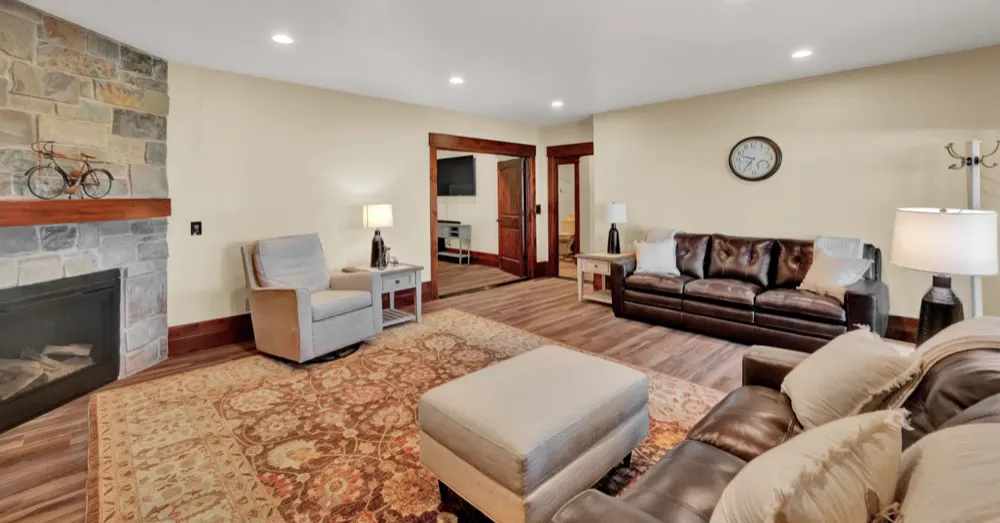
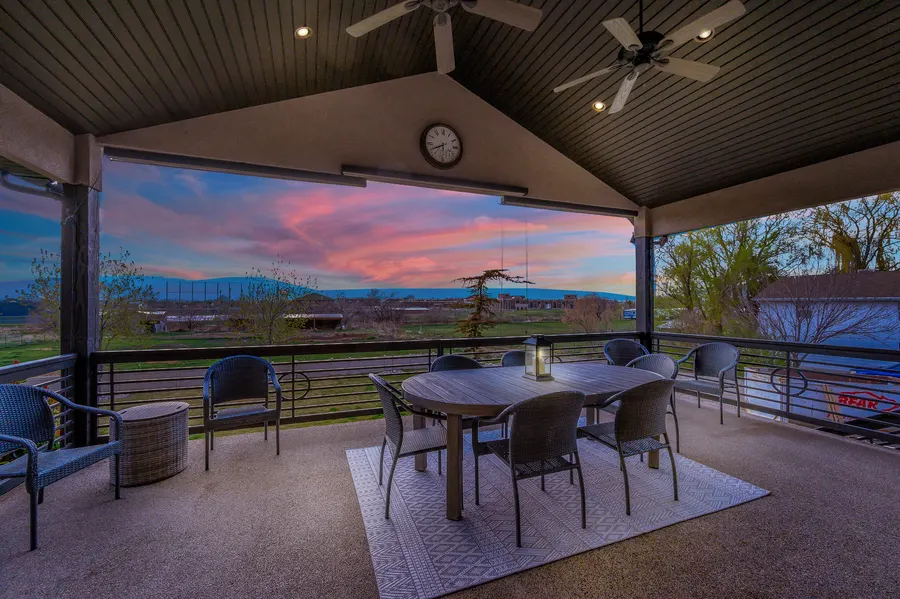
A quiet living room with sofas and a fireplace at a Corner Canyon residential houseA covered patio with a dining table and mountain views at dusk

Bipolar disorder treatment programs

Most people start in residential after an episode, then step down to PHP and IOP with the same team as life gets steadier.

Residential

24-hour support while you get steady, with medication review, therapy and a predictable daily rhythm. Learn about our residential mental health treatment.

PHP

Full therapy days, home in the evening, as you practice your routine in real life. Learn about our partial hospitalization program.

IOP

Part-day care around work or school, with the same team watching for early warning signs. Learn about our intensive outpatient program.

Families are often reaching out right after a frightening episode. Here’s how to help a loved one get treatment.

Talk to someone about your moods

Bipolar disorder needs a psychiatric evaluation, not an online quiz. Our admissions team can talk through what you’re noticing and whether our program fits.

How our clinical assessment works

Check my insurance coverage

100% confidential · No commitment required

Insurance card photos (optional, speeds verification up)

Or call (801) 383-0810. See our Privacy Policy and Notice of Privacy Practices.

Paying for bipolar disorder treatment

We work with most PPO plans that include out-of-network benefits, and with self-pay. Our admissions team checks your mental health insurance benefits for free before you start.

PPO plans with out-of-network benefitsUsually covered
Self-payPayment options
Single case agreementsAsk admissions

Read about cost and payment options.

Check my insurance coverage

100% confidential · No commitment required

Insurance card photos (optional, speeds verification up)

Or call (801) 383-0810. See our Privacy Policy and Notice of Privacy Practices.

Blue Cross Blue ShieldAetnaCignaUnitedHealthcareAnthemHighmarkHumanaGEHAUMRHealthPartnersMagellan HealthCarelonFirst Choice HealthMedical MutualPrimero

In our clients’ words

★★★★★

My experience at Corner Canyon to put it simply, was life changing. The program gave me a structure to set a solid foundation for my life outside of treatment. The people that are involved with Corner Canyon are amazing. From the staff, to the clients, these people quickly began to feel like family. This place felt like home to me. I truly was cared for in a way that I had never been before. I can honestly say that in the 62 days I was there I didn’t have a single bad day, and that to me speaks volumes. I’m grateful to have had the experience that I did. To anyone who is looking for help – I would heavily recommend going to Corner Canyon.

sav headdenGoogle review
★★★★★

I arrived at Corner Canyon during the worst depressive episode of my life. I had no hope and felt disconnected from everything. I’m a therapist, and I had been doing all the “right” things to care for myself. But sometimes self-care is simply not enough.

Jordan BrownGoogle review
★★★★★

Corner Canyon has put together an excellent residential program. I need a comprehensive program that addressed my health and mental health with cutting edge treatment — they exceeded my expectations. With the continuum of health, mental health, and wellness services offered – they truly individualized my treatment plan. They have an excellent, well-trained staff that genuinely care. I wish I had found them 5, 10 years ago it would have saved me a lot of heart ache. I feel ALOT better than I have felt in sometime and as I continue to take care of myself, I am confident I will be an even better version of myself. Michelle Feb-Mar 2023

Angel Warrior 68Google review
★★★★★

When I came to Corner Canyon I was lost. I was 31 years old, struggling with addiction issues and my own mental health, and didn’t know which way to turn. I was very fortunate to land here. Through the help of some people who loved and cared about me, they got me in the doors of this wonderful program.

I was nervous at first, but I soon realized I was amongst peers who were feeling and going through the same things, which put me at ease. I was surrounded by staff who themselves had been through their own treatment and had such compassion and support for me and my well-being.

The Clinical team is wonderful and they are all highly trained experts. They practice many different modalities and with that they were able to get to the core of my issues to treat both my trauma, and subsequently my substance abuse. They did this with such grace, compassion, and empathy, that I always felt they had my best care in mind.

I could write forever about how this place changed my life, but the reality is that there would never be enough words. This program, it’s wonderful staff, and the people who come here make this place more than just a rehabilitation center. It’s a home. I found myself here, I found my tribe, and I was able to unlock decades worth of trauma that led me to a life I didn’t want to lead. After coming here I found the life I always wanted, and it started at Corner Canyon.

Dominique SuazoGoogle review

Three mental health facilities in Draper, Utah

Clients come to us from across Utah and the country. Admissions helps you plan your arrival.

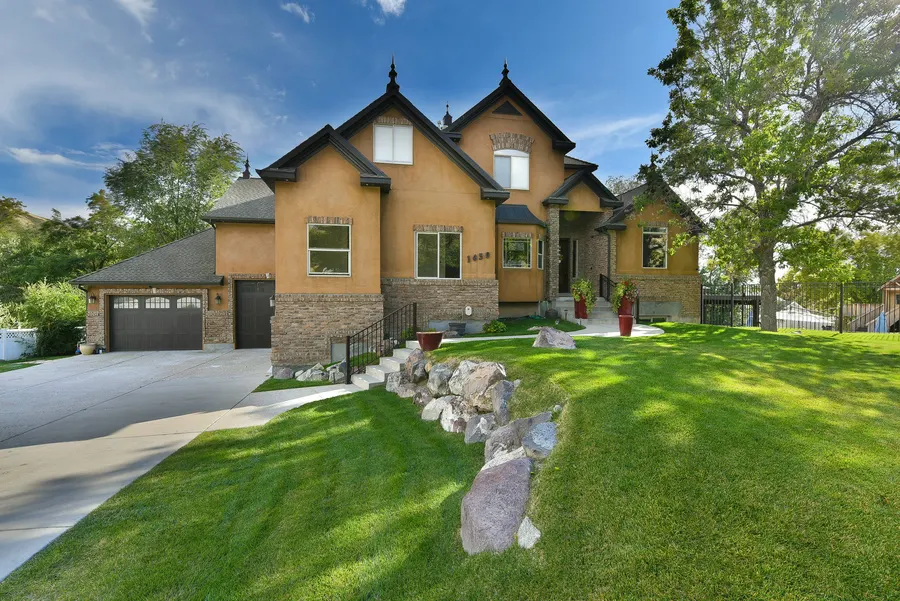
Front entrance of the Corner Canyon residential house on Fort Street in Draper
Residential

Fort Street House

13020 S Fort St
Draper, UT 84020

Get directions
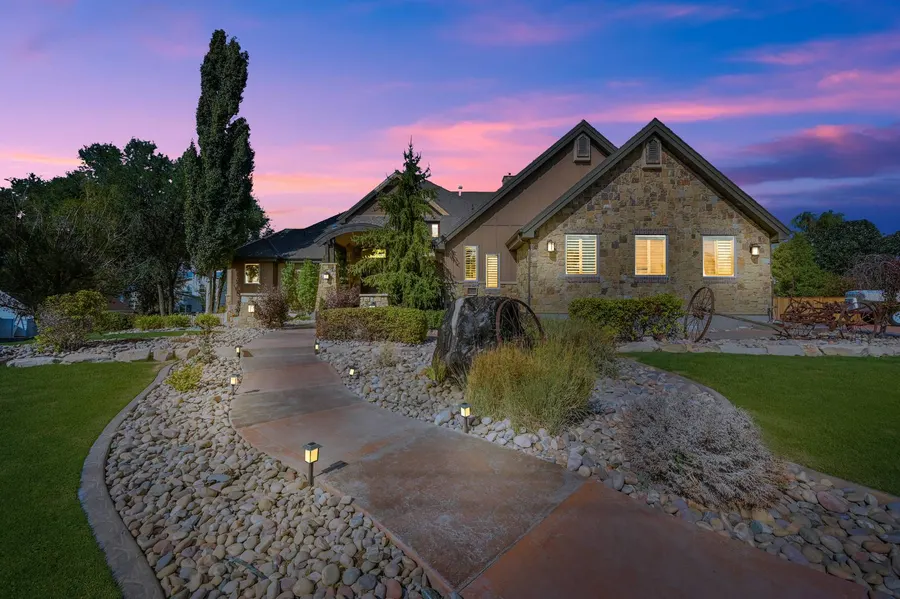
Front lawn and house at the Corner Canyon Pioneer Road residence in Draper
Residential

Pioneer Road House

1450 Pioneer Rd
Draper, UT 84020

Get directions
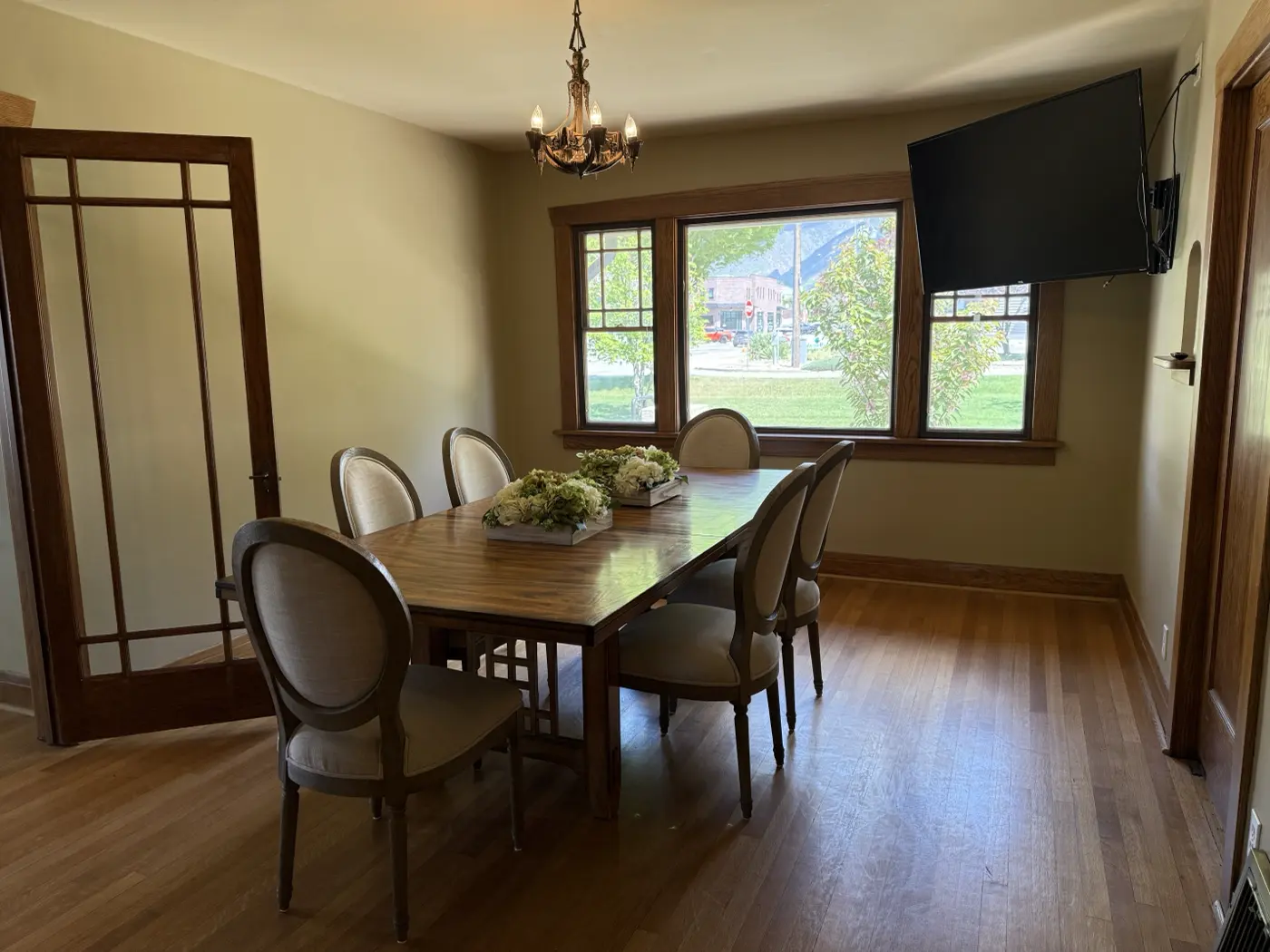
The bright dining room with a long table and big windows at the Corner Canyon day-treatment house on Pioneer Road
PHP & IOP

Outpatient Center

782 Pioneer Rd
Draper, UT 84020

Get directions

Questions about bipolar disorder treatment

Have another question? Our admissions team takes calls at any hour; after hours, we call you back from 9 a.m. MT.

Call (801) 383-0810

Do you treat bipolar disorder?

Yes, for adults who are medically stable enough for a voluntary residential or day program. A history of psychosis is fine when it’s managed with medication. Admissions will ask about recent episodes to make sure Corner Canyon is the right fit.

What if I’m in a manic episode right now?

Severe mania, psychosis or danger to yourself or others needs a hospital first. Call 911 or 988, or go to the nearest ER. Corner Canyon can be the next step after you’re stabilized.

Can I come straight from a psychiatric hospital?

Yes. Hospital teams can send records for clinical review. See our page on care after a psychiatric hospital stay.

Will my medications change?

Your psychiatric team reviews your medications with you each week, and genetic testing can help guide choices. Changes are made carefully and only when needed.

What’s the difference between bipolar I and bipolar II?

Bipolar I involves full manic episodes; bipolar II involves hypomania and depressive episodes. Read our full guide to bipolar I vs bipolar II.

Is bipolar disorder the same as borderline personality disorder?

They’re different conditions, though both involve big mood changes. In borderline personality disorder, intense moods can shift over a few hours to a few days, without the elevated mood of mania or hypomania that marks bipolar disorder. The two can also occur together, and a full assessment helps tell them apart. Learn about our borderline personality disorder treatment.

I think my adult child or partner may have bipolar disorder. What should I do?

If they’re in danger right now, call 911, or call or text 988. Otherwise, encourage them to get an evaluation from a doctor or psychiatrist, and call our admissions team to talk through options. Corner Canyon treats adults who choose treatment voluntarily. Here’s how to help a loved one get treatment.

Do you treat bipolar disorder with substance use?

Yes, once you are medically stable. Corner Canyon doesn’t offer detox, so admissions can refer you to a detox program first. Learn about co-occurring mental health and substance use care.

Talk to someone today

In a mental health or suicide crisis, call or text 988 now. When you’re ready for treatment, our admissions team takes calls at any hour; after hours, we call you back from 9 a.m. MT.

In crisis? Call or text 988 or call 911.

Google reviews4.7Residential, Draper57+ reviewsDay treatment, Pioneer RdPHP and IOP
4.7 Google reviews