





Mental Health Treatment for First Responders in Draper, Utah
Trauma-focused care for adults whose work puts them in front of other people’s worst days. It’s confidential, voluntary, and led by clinicians who specialize in trauma, like all our care for the people we help.
Clinically reviewed by Sara Sorenson, LCMHC, Director of Clinical Development
- Confidential
- Trauma specialists
- Draper, Utah
Call (801) 383-0810
Prefer to call? (801) 383-0810
Thank you, we have your details
Admissions will call you to go over your coverage, usually the same business day. If it’s urgent, call (801) 383-0810.
What we help with
You’re used to being the one who helps. Here, you don’t have to explain the job before we can help with what it’s left behind.
- Police officers
- Firefighters
- Paramedics and EMTs
- Dispatchers
Trauma from the job
Calls that stay with you, one after another, over years. Learn about our trauma and PTSD treatment.
Sleep and nightmares
Shift work and trauma both wreck sleep. See our sleep and trauma program.
Depression
Feeling flat, cut off or worn down, at work and at home.
Anxiety and hypervigilance
Staying on alert long after the shift ends.
Alcohol use
Drinking to come down, treated alongside mental health once you’re stable. Read about co-occurring mental health and substance use care.
How we treat
Trauma therapy is the core of every plan. Advanced treatments are added when your clinical team thinks they’ll help.
- EMDR therapyGuided eye movements help the brain reprocess traumatic memories, without retelling every detail.
- Accelerated resolution therapy (ART)A focused eye-movement approach that changes how distressing images feel.
- Cognitive processing therapyWorks on the beliefs that formed after trauma, like blame and constant danger.
- Internal family systems (IFS)Works with the parts of you that have learned to stay on guard.
Advanced treatments for enrolled clients
Stellate ganglion block
For trauma-related hyperarousal
Ketamine-assisted therapy
Self-pay add-on
Neurofeedback
When clinically useful
Added after clinical screening, as part of your treatment plan, and not offered on their own. Explore all the therapies we use.
Privacy and time away from work
What stays private
- Your treatment is protected by federal privacy law (HIPAA)
- We share information only with your written consent, including with your department
- You decide who hears from us, and what they hear
Time away, then a gradual return
Many clients use FMLA or short-term disability for their stay. Tell admissions what your department needs, and your case manager will help you plan.
ResidentialLength set by your clinical teamPHPFull weekdays, home at nightIOPMornings, alongside work
Our programs
First responders join the same trauma-focused programs as other adults, and step down from one to the next with the same team. You can compare our programs side by side.
Residential
Live on site in a home in Draper, with staff around the clock.
PHP
Full days of treatment on weekdays, home each evening.
IOP
Mornings in treatment, 3 or 5 days a week, as you return to work.
Care steps down in intensity as you move toward work: the bars show weekday treatment time.
Thank you, we have your details
Admissions will call you to go over your coverage, usually the same business day. If it’s urgent, call (801) 383-0810.
Paying for treatment
Many PPO plans with out-of-network benefits cover treatment, including plans through your department. Our admissions team checks your insurance for mental health treatment confidentially and for free.
PPO plans with out-of-network benefitsUsually covered
Self-payPayment options
Single case agreementsAsk admissions
Read about cost and payment options, including self-pay.
Thank you, we have your details
Admissions will call you to go over your coverage, usually the same business day. If it’s urgent, call (801) 383-0810.















In our clients’ words
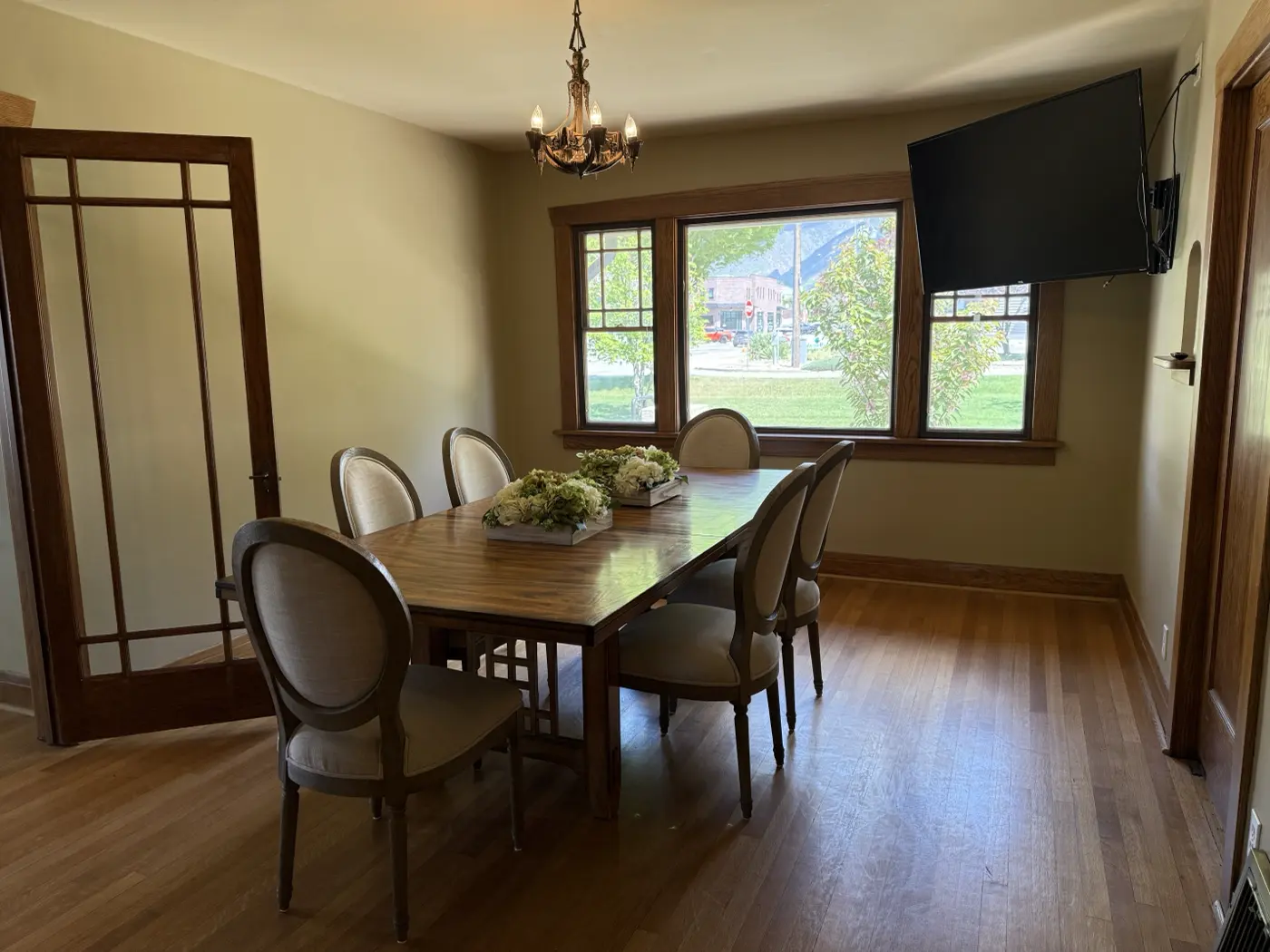
Three mental health facilities in Draper, Utah
Clients come to us from across Utah and the country. Admissions helps you plan your arrival.

Questions first responders ask us
Have another question? Our admissions team takes calls at any hour; after hours, we call you back from 9 a.m. MT.
Call (801) 383-0810Will my department find out I’m in treatment?
Your treatment is protected by federal privacy law (HIPAA). Corner Canyon shares information only with your written consent, and that includes your employer.
Can you help with leave paperwork?
Many clients use FMLA or short-term disability for their stay. Tell admissions what your department or employer needs, and your case manager will help you plan your time away and your return.
Do you offer stellate ganglion block (SGB)?
Yes, for enrolled clients after clinical screening, as part of their treatment plan. Read about stellate ganglion block.
Is there a separate first-responder program?
First responders join the same trauma-focused residential, PHP and IOP programs as other adults, with care built around trauma from the first day.
I’m a veteran. Can I come?
Yes. Veterans are welcome in all of our programs, using commercial insurance or self-pay. Admissions can walk you through your options on the first call.
How long would I be away from work?
Length of stay is set by your clinical team and reviewed with you every week. Many people then step down to PHP or IOP, so they return to work gradually. Your team plans the timing with you.
Do you treat alcohol use?
Yes, alongside mental health, once you’re medically stable. If you need detox first, admissions can point you to a detox program.
Talk to someone today
A confidential call with admissions doesn’t commit you to anything. Call at any hour, on any shift; after hours, we call you back from 9 a.m. MT.