


Mindfulness-Based Relapse Prevention (MBRP) in Draper, Utah
Mindfulness-based relapse prevention (MBRP) combines mindfulness practice with relapse prevention skills, so you can notice triggers and cravings without acting on them. At Corner Canyon, as part of our therapy program, it supports adults whose mental health care includes co-occurring substance use, in Draper, Utah.
Clinically reviewed by Sara Sorenson, LCMHC, Director of Clinical Development
- Mental health first
- Residential, PHP and IOP
- Draper, Utah
Call (801) 383-0810
Prefer to call? (801) 383-0810
Thank you, we have your details
Admissions will call you to go over your coverage, usually the same business day. If it’s urgent, call (801) 383-0810.
- A mental health program first
Trauma, depression, anxiety and other mental health conditions are the focus of care.
- Substance use treated alongside it
Once you’re medically stable. Learn about our co-occurring disorders treatment.
- Detox comes first, elsewhere
We don’t provide detox. If you need it, admissions can point you to a detox program before you join us.
What is mindfulness-based relapse prevention?
MBRP brings together cognitive-behavioral relapse prevention strategies and mindfulness-based practices. Its skills are designed to increase your awareness of triggering cues and situations, and to make you less reactive to them.
The heart of it is learning to observe cravings and urges, and the emotional or physical discomfort that comes with them, without reacting. One well-known practice is urge surfing: you treat an urge like a wave, noticing it rise, peak and fall, instead of fighting it or giving in.
In its standard form, MBRP is an eight-session group. It grew out of mindfulness-based recovery work, and its practices, like mindfulness meditation, are the same ones many people use for anxiety and low mood.
MBRP has been studied in randomized trials, including a 2014 trial in JAMA Psychiatry that compared it with standard relapse prevention and usual care for adults with substance use disorders.
Urge surfing: staying with a craving as it rises, peaks and passes.
- StopNotice the urge and pause.
- Observe and breatheFeel it in your body, without judging it.
- RespondChoose what you do next.
The primary goals of MBRP
Mindfulness-based recovery is less about willpower and more about awareness: seeing what’s happening inside you clearly enough to choose your response.
Create a pause
Become aware of your habitual reactions and personal triggers, and learn to make space between an urge and what you do next.
Change your relationship to discomfort
Recognize hard physical and emotional experiences and respond to them in new, skillful ways.
Meet yourself with compassion
A nonjudgmental approach toward yourself and your experiences, especially the painful ones.
Build a life that supports it
Daily habits that support both mindfulness practice and your recovery.
Why MBRP at Corner Canyon
Most MBRP is taught in addiction programs. Here it’s part of trauma-focused mental health care, with the people and support around you every day.
Mental health first
A mental health program, not an addiction rehab. Substance use is treated alongside it once you’re stable; we don’t provide detox.
Specialized trauma therapies
Mindfulness alongside EMDR, ART and DBT skills, because triggers and trauma are often linked.
A home, not a hospital
Voluntary, unlocked houses with staff on site around the clock, so you have support when urges show up.
Full assessment at intake
Medical, psychiatric and psychological assessment shapes your plan from the first day.
One campus for every step
Residential, then PHP, then the intensive outpatient program in Draper, with relapse prevention as you step down.
Mindfulness every week
Mindful meditation, yoga and breath work are part of the program week, so the skills get daily practice.
Who MBRP is for here
MBRP is used with adults who have a mental health condition and co-occurring substance use. It’s one part of co-occurring disorders treatment, inside a mental health program. We don’t provide detox.
- Adults with a mental health condition
Such as trauma, depression or anxiety, with substance use alongside it.
- Stable enough to practice
Sober at least five days before admission, after detox if you needed it.
- Not a 12-step program
If you have a substance use history, you attend one outside support meeting a week. Anything more is your choice.
- Medication reviewed with you
We don’t start or manage medication for opioid or alcohol use; if you take it now, admissions reviews it with you first.
MBRP and mental health
The same mindfulness skills that help with cravings help with other triggers too. Your team brings them into the rest of your care.
Anxiety
Noticing anxious thoughts and body sensations without getting swept up in them. Learn about our anxiety treatment.
Trauma triggers
Grounding yourself in the present when something brings the past back, alongside trauma and PTSD treatment.
Low mood
Catching the spiral of self-critical thoughts early, and meeting them with less judgment.
Strong emotions
Mindfulness is also the first skill in DBT therapy, so the two support each other.
What MBRP practice looks like
Practices are short and simple, and you repeat them until they become habits. Here they sit alongside the mindful meditation, yoga and breath work in your program week, and group therapy.
Noticing
Awareness first- 1Settle into the body
Short practices like a body scan, to notice what’s here without judging it.
- 2Spot your triggers
The situations, feelings and thoughts that tend to come before an urge.
Pausing
In the moment- 3Urge surfing
Watching a craving rise, peak and fall like a wave, without acting on it.
- 4A breathing space
A few minutes to stop, observe, breathe and then choose a response.
Living it
Beyond the session- 5Build supports
Self-care and a daily rhythm that make mindfulness and recovery easier.
Eric Johansen, LCSW, one of our therapists, has completed training in Mindfulness-Oriented Recovery Enhancement, a related mindfulness approach to recovery.
Thank you, we have your details
Admissions will call you to go over your coverage, usually the same business day. If it’s urgent, call (801) 383-0810.
Paying for treatment
MBRP skills are part of your program, so they’re covered when your program is. We work with most PPO plans that include out-of-network benefits, and with self-pay. Our team will verify your insurance for free.
PPO plans with out-of-network benefitsUsually covered
Self-payPayment options
Single case agreementsAsk admissions
Read about cost and payment options.
Thank you, we have your details
Admissions will call you to go over your coverage, usually the same business day. If it’s urgent, call (801) 383-0810.















In our clients’ words
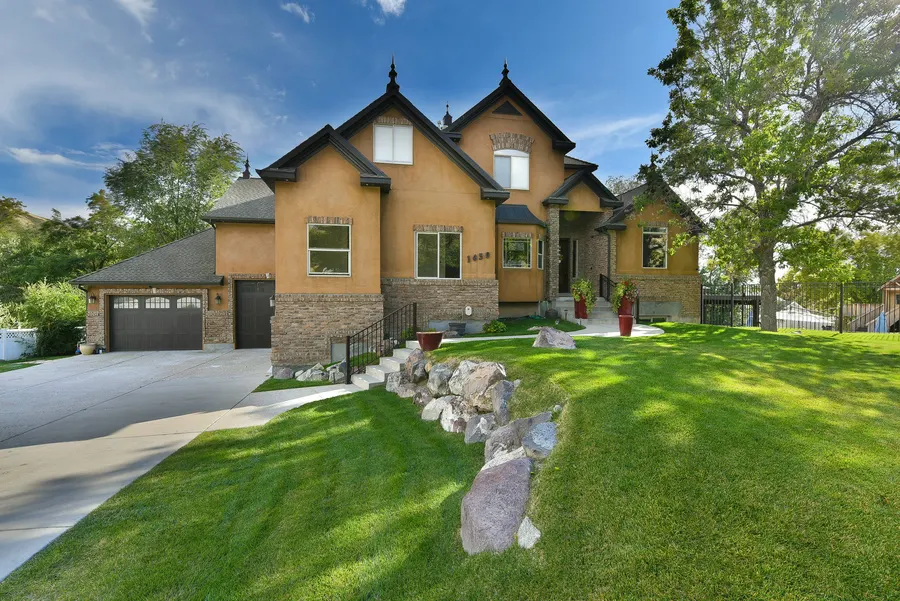
Three mental health facilities in Draper, Utah
Clients come to us from across Utah and the country. Admissions helps you plan your arrival.
Questions about MBRP
Have another question? Our admissions team takes calls at any hour; after hours, we call you back from 9 a.m. MT.
Call (801) 383-0810Is Corner Canyon an addiction rehab?
We’re a mental health program, not an addiction rehab. We treat substance use when it co-occurs with a mental health condition, once you’re medically stable, and we don’t provide detox. Learn about our co-occurring disorders treatment.
Is MBRP only for substance use?
MBRP was developed for substance use. The mindfulness skills at its core, noticing a trigger, pausing and choosing how to respond, are the same ones that help with anxiety, trauma triggers and strong emotions.
Is MBRP a group or individual therapy?
In its standard form, MBRP is an eight-session group. Here, its skills are part of your therapy and the mindfulness practice in your program week, alongside group therapy. Your therapist can tell you how it fits your plan.
Do I need to be sober before admission?
Yes, for at least five days. If you could go into withdrawal, detox comes first, and admissions can point you to a detox program. We don’t start, manage or taper medication for opioid or alcohol use; if you take methadone, buprenorphine or naltrexone now, admissions reviews it with you before admission.
Is MBRP evidence-based?
MBRP has been studied in randomized trials, including a 2014 trial in JAMA Psychiatry that compared it with standard relapse prevention and usual care for adults with substance use disorders. Most research is in substance use.
Is this a 12-step program?
Corner Canyon isn’t a 12-step program, and there are no AA groups here. If you have a substance use history, you attend one outside support meeting a week; going to 12-step meetings beyond that is your choice.
Does insurance cover MBRP?
MBRP skills are part of your program, so they’re covered when your program is. We work with many PPO plans, including Aetna, Cigna, UnitedHealthcare and Blue Cross Blue Shield plans, through out-of-network benefits, depending on your plan, and with self-pay. Our team will verify your insurance for free.
Talk to someone today
Want to know whether our program is the right fit? Our admissions team takes calls at any hour; after hours, we call you back from 9 a.m. MT.