




Borderline Personality Disorder Treatment in Draper, Utah
Borderline personality disorder treatment in Utah for adults, combining DBT skills with trauma therapy in a structured, home-style setting in Draper. We also treat other personality disorders alongside the conditions that bring people in.
Clinically reviewed by Sara Sorenson, LCMHC, Director of Clinical Development
- DBT plus trauma therapy
- Residential, PHP and IOP
- Draper, Utah
Call (801) 383-0810
Prefer to call? (801) 383-0810
Thank you, we have your details
Admissions will call you to go over your coverage, usually the same business day. If it’s urgent, call (801) 383-0810.
Sarah stared at the phone, willing it to ring. Her boyfriend was five minutes late. He’s leaving me. When he finally called, her relief turned into sharp accusations, and another evening came apart.
Moving beyond stigma and misconception
Once thought “difficult to treat”, BPD is now recognized as treatable, mainly with specific forms of psychotherapy.
The contemporary view is that many people with BPD have experienced trauma, emotional abuse or emotional invalidation, or physical or sexual abuse, often beginning early in life [1]. Not everyone with BPD has a trauma history, but when both are present, we treat them together. People with BPD are often labeled “difficult”, and some are turned away by other programs. Here, BPD is one of our primary focuses, and you’re a person with real pain and real reasons, not a label.
What is borderline personality disorder?
BPD is a personality disorder involving a pattern of instability in relationships, emotions, self-image and impulse control. It often brings intense self-doubt and fear of abandonment [2]. Wondering about dissociation too? Read our comparison of BPD vs DID.
Common experiences
- Intense emotions that change quickly
- Fear of abandonment, real or imagined
- Relationships that swing between closeness and conflict
- An unstable sense of who you are
- Impulsive actions you later regret
- Self-doubt and low self-worth
- Self-harm or suicidal thoughts
- Feeling empty, or brief periods of feeling detached
If you’re thinking about harming yourself right now, call or text 988, call 911, or go to the nearest ER.
≈14 millionAmericans live with BPD
2%of the general population
10%of psychiatric outpatients
20%of psychiatric inpatients
The term “borderline” originally described a state thought to border on psychosis, and was long viewed as untreatable [3][4]. BPD usually begins in adolescence or early adulthood and can last for years, but symptoms can ease and become manageable with treatment.
How we treat BPD, including DBT for borderline personality disorder
Psychotherapy is the first-line treatment for BPD. We combine DBT with trauma therapy, and every approach is delivered through a trauma lens, as part of our trauma and PTSD treatment.
The four DBT skill modules
- Mindfulness
- Distress tolerance
- Emotion regulation
- Interpersonal effectiveness
- Dialectical behavior therapyDBT skills groups and DBT-based individual work, the structured approach first developed for BPD.
- Cognitive behavioral therapy (CBT)Helps you notice and change the distorted beliefs that drive mood swings, anxiety and relationship conflict.
- EMDR, IFS and ARTTrauma therapies, including internal family systems therapy, for the painful experiences that often sit underneath BPD, when you’re stable enough.
- Medication managementFor co-occurring depression, anxiety or sleep problems, as an addition to therapy, never a replacement.
- Ketamine-assisted therapyFor enrolled clients after clinical screening, as part of the treatment plan.
- Mindfulness, yoga and exerciseDaily practices that support emotional regulation.
Medication as an addition to therapy
Mood stabilizers
For emotional swings and impulsivity
Atypical antipsychotics
For brief paranoia, dissociation or intense anger
Antidepressants
For co-occurring depression or anxiety
No medication is FDA-approved for BPD itself. The APA’s 2024 guideline advises against long-term use of several medications at once, so medication targets co-occurring symptoms, not BPD’s core [4][7].
BPD recovery stages, and what to expect
Recovery from BPD is a process, not an event. Progress often comes with setbacks, and treatment takes real commitment. Read about treatment goals for BPD.
- Stage 1
Gaining behavioral control
Safety first: reducing self-harm and suicidal behavior, and stabilizing what feels out of control.
- Stage 2
Processing trauma and emotional pain
Once behavior is steadier, therapy turns to underlying trauma and painful emotions.
- Stage 3
Building a life of ordinary happiness
Identity, work, goals and steady, healthy relationships.
The therapeutic relationship. A strong alliance with your therapist, built on trust, validation and collaboration, is one of the most important parts of treatment.
A crisis plan. Safety planning for self-harm and suicidal thoughts is part of care from the first week. Learn about our treatment for suicidal thoughts.
Long-term continuity. Meaningful progress often unfolds over years, so we plan your next steps before you finish.
Other approaches studied for BPD
The APA renewed its BPD guideline in 2024: several structured psychotherapies help, and no single therapy is the gold standard [4][5]. These are recognized options; not all are offered at Corner Canyon, and your team can talk them through with you.
Schema-focused therapy
Identifies and changes deep, self-defeating life patterns called schemas, often rooted in childhood.
Mentalization-based therapy (MBT)
Builds the habit of thinking before reacting, by understanding your own and others’ thoughts and feelings.
STEPPS
A 20-week group program that includes family, friends or partners and teaches concrete skills, alongside other therapy.
Transference-focused psychotherapy (TFP)
A psychodynamic approach that uses the relationship with your therapist to understand how you relate to others.
Digital self-management
An app-based program built on schema therapy was studied in a 2025 trial for emotion regulation [6].
Emerging medications
Early research is exploring memantine and, for women, estradiol. Neither is a standard treatment yet [1].
Personality disorder treatment programs
Residential and PHP give you daily practice with skills, in real moments, with support close by. IOP can be enough when you’re more stable.
Residential
24-hour care with daily DBT and CBT groups, trauma therapy and ketamine-assisted therapy for enrolled clients. Daily structure means you practice skills in real situations, with support right there. Learn about our residential mental health treatment.
PHP
Intensive therapy by day, home in the evening, as you re-engage with your community and prepare for work or school. Learn about our partial hospitalization program.
IOP
Part-day care around work or school, with DBT and CBT skills, for people who are more stable. Learn about our intensive outpatient program.
Understanding personality disorders
Personality disorders are grouped into three clusters by their symptoms. We treat them alongside the depression, anxiety or trauma that often brings people in. Read what is paranoid personality disorder.
Cluster A
Odd, distrustful or eccentric thinking. Signs can include isolation and trouble forming connections.
- Paranoid personality disorder
- Schizoid personality disorder
- Schizotypal personality disorder
Cluster B
Erratic or impulsive behavior, low self-esteem and strained relationships.
- Borderline personality disorder
- Antisocial personality disorder
- Narcissistic personality disorder
- Histrionic personality disorder
Cluster C
Rigid thinking, low confidence and trouble making decisions.
- Avoidant personality disorder
- Dependent personality disorder
- Obsessive-compulsive personality disorder
For families
Supporting someone with BPD can be exhausting and confusing. With your loved one’s consent, family takes part through virtual family support and aftercare planning. Programs such as STEPPS and Family Connections teach families skills too.
Thank you, we have your details
Admissions will call you to go over your coverage, usually the same business day. If it’s urgent, call (801) 383-0810.
Paying for BPD treatment
We work with most PPO plans that include out-of-network benefits, and with self-pay. Our admissions team checks your mental health insurance benefits for free before you start.
PPO plans with out-of-network benefitsUsually covered
Self-payPayment options
Single case agreementsAsk admissions
Read about cost and payment options.
Thank you, we have your details
Admissions will call you to go over your coverage, usually the same business day. If it’s urgent, call (801) 383-0810.















In our clients’ words
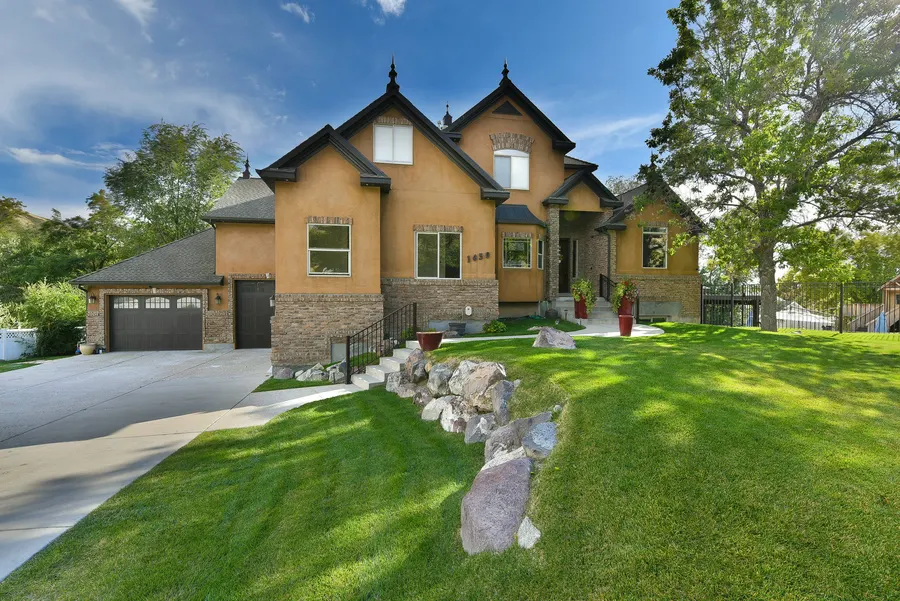
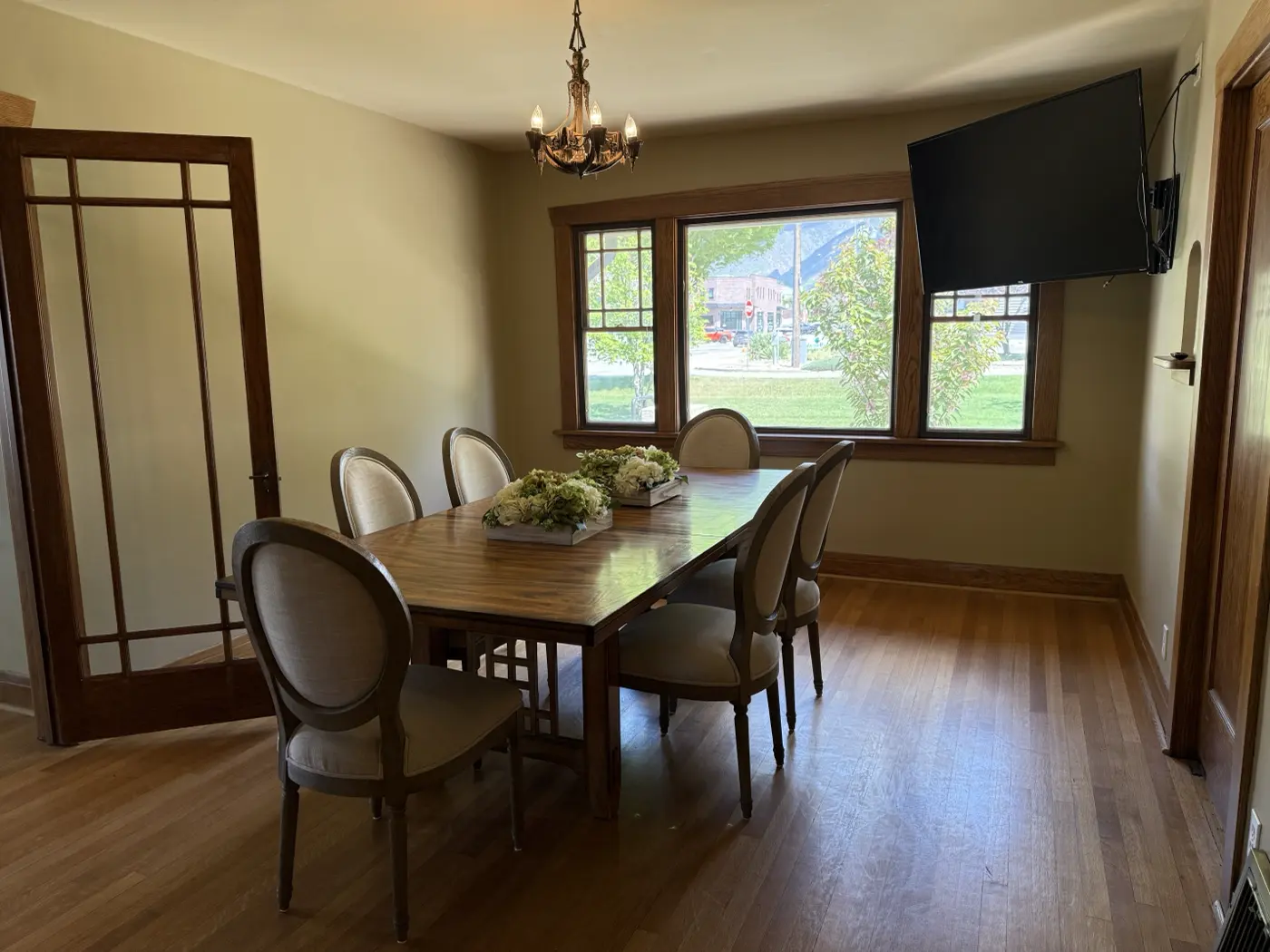
Three mental health facilities in Draper, Utah
Clients come to us from across Utah and the country. Admissions helps you plan your arrival.
Questions about BPD and personality disorders
Have another question? Our admissions team takes calls at any hour; after hours, we call you back from 9 a.m. MT.
Call (801) 383-0810Can BPD be treated?
Yes. BPD is treatable, and structured approaches such as DBT are among the most studied. Read about treatment goals for BPD.
Do you offer DBT?
Yes. DBT skills groups and DBT-based individual work are part of treatment for BPD, alongside CBT and trauma therapy. Learn about dialectical behavior therapy.
Is BPD related to trauma?
Many people with BPD have experienced trauma, though not all. Corner Canyon treats both when they occur together, with our trauma and PTSD treatment.
Could this be trauma rather than BPD?
Sometimes. Trauma and BPD can look alike, and many people with BPD have lived through trauma. The assessment in your first days looks at your history and symptoms to tell them apart, and when both are present, we treat them together.
Is complex PTSD the same as BPD?
They’re different conditions, though they overlap. Both can bring trouble with emotions, self-image and relationships. Complex PTSD follows prolonged or repeated trauma and includes PTSD symptoms such as reliving the trauma, avoidance and feeling under threat. Research finds the two can be told apart, and some people have both. A professional assessment helps clarify which fits.
What’s the difference between BPD and DID?
They can look alike and often occur together. Read our full comparison of BPD vs DID, or learn about dissociative identity disorder treatment.
Is residential treatment right for BPD?
It can be when self-harm, crises or relationship problems make daily life hard to manage. PHP and IOP suit people who are more stable.
What are effective treatment methods for personality disorders?
Structured psychotherapy is the main treatment, such as DBT, CBT, schema therapy or mentalization-based therapy, with medication for co-occurring symptoms when it helps. The right mix depends on your needs and is set with your team.
Sources
- Alfred Health. 2024. New trials tackle the Borderline Personality Disorder riddle.
- McLean News. 2025. Highly Treatable: Lessons Learned From Decades-Long Borderline Personality Disorder Study.
- Aslam, H. et al. (2025). Clinical practice guidelines for the treatment of borderline personality disorder: a systematic review. Borderline Personality Disorder and Emotion Dysregulation, 12(1), 13.
- American Psychiatric Association. 2024. American Psychiatric Association Publishes Updated Practice Guideline on the Treatment of Borderline Personality Disorder.
- Mayo Clinic. 2024. Borderline Personality Disorder.
- Assmann, N. et al. A digital therapeutic for people with borderline personality disorder in Germany (EPADIP-BPD): a pragmatic, assessor-blind, parallel-group, randomised controlled trial. The Lancet Psychiatry, 12(5), 366–376.
- Olabi, B., & Hall, J. (2010). Borderline personality disorder: current drug treatments and future prospects. Therapeutic Advances in Chronic Disease, 1(2), 59–66.
Talk to someone today
Our admissions team takes calls at any hour (after hours, we call you back from 9 a.m. MT), whether you’re calling for yourself or someone you love.