





Dissociative Identity Disorder Treatment in Draper, Utah
Specialized residential, PHP and IOP care for adults with dissociative identity disorder and other dissociative disorders, from a team that works with trauma and dissociation every day. DID was once called multiple personality disorder; clinicians now use dissociative identity disorder.
Clinically reviewed by Sara Sorenson, LCMHC, Director of Clinical Development
- Trauma and dissociation specialists
- Voluntary home setting
- Draper, Utah
Call (801) 383-0810
Prefer to call? (801) 383-0810
Thank you, we have your details
Admissions will call you to go over your coverage, usually the same business day. If it’s urgent, call (801) 383-0810.
Understanding dissociative identity disorder
DID is a trauma-based condition, and one of the mental health conditions we specialize in. It usually develops from severe, repeated trauma in early childhood, when separating experiences into different parts of the self was a way to survive.
People with DID have two or more distinct parts, sometimes called alters, who make up their system. Parts may hold different memories, feelings or roles. Dissociation itself exists on a spectrum, and you can read more about the types of dissociation.
Common experiences
- Gaps in memory for everyday events
- Losing time, or finding yourself somewhere without knowing how you got there
- Switching between parts, or alters, who may have their own names, ages or ways of speaking
- Hearing internal voices or sensing other parts
- Feeling detached from yourself or your body
- The world feeling unreal or far away
- Finding things you don’t remember buying or doing
DID, BPD and other conditions
DID is often confused with borderline personality disorder, and the two can occur together. They’re different conditions with different treatment needs. Read our full comparison of BPD vs DID, or learn about our BPD and personality disorder treatment. DID also commonly comes with PTSD, depression, anxiety and sleep problems, and your plan treats them together.
How we treat DID
Treatment follows phases, with safety first. It’s part of our trauma and PTSD treatment, adapted for dissociation.
- Phase 1
Safety and stabilization
Building safety, grounding skills and communication within your system before any deep trauma work. In residential, this is where most of the time goes.
- Phase 2
Trauma processing
Carefully paced work on traumatic memories, only when your system is ready, with your team watching for overwhelm.
- Phase 3
Integration or cooperation
Goals you set: for some, integration; for many, safety, communication and cooperation between parts.
Therapies we use for DID
- Internal family systems therapyParts work: getting to know each part, what it’s protecting and how it can work with the others. Used in individual sessions and groups.
- EMDR therapyAdapted for dissociation, with extra preparation and careful pacing so processing stays within your window of tolerance.
- Dialectical behavior therapySkills for strong emotions, distress and relationships, which help with stabilization.
- Grounding and body-based skillsMindful meditation, yoga and breathwork to stay present when dissociation starts.
- Art and equine therapyWays to work with what words can’t reach yet, at a pace that feels safe.
Residential structure supports safety and grounding: a predictable routine, staff on site around the clock, and a team that meets weekly to review your care.
What treatment looks like day to day
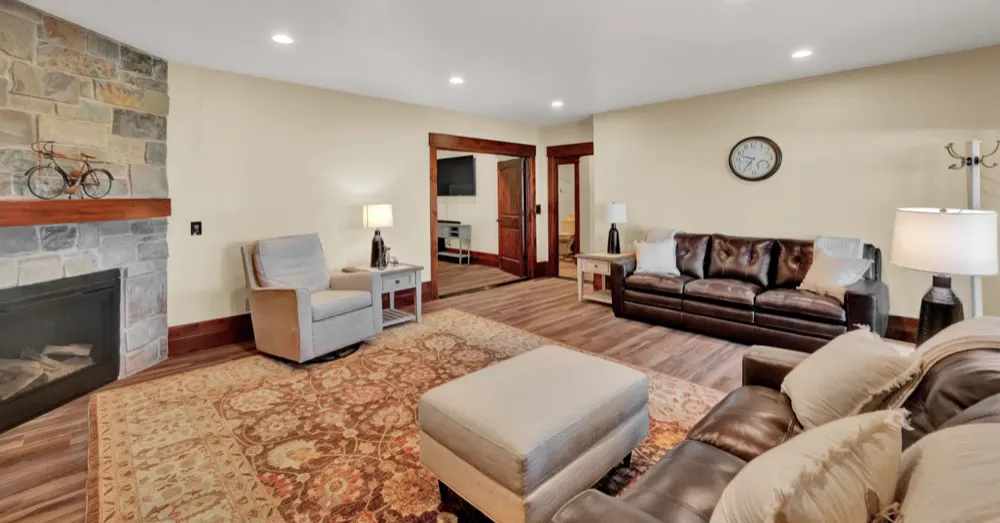
Your days combine individual work, groups and grounding, in a home rather than a hospital.
- Individual therapy. Two sessions a week with your primary therapist, including parts work.
- Groups with grounding. Daily groups, with staff who know how to help when dissociation shows up in the room.
- Medication management. A weekly psychiatric visit for depression, anxiety, sleep or other symptoms that come with DID.
- A calm, staffed home. Voluntary and unlocked, with staff on site around the clock and a predictable daily routine.
See what to expect in residential treatment, from packing to your first week.

Is residential the right level for DID?
Your team recommends a level after your assessment. You can compare our programs side by side.
Residential may help when…
- Dissociation is making daily life, work or safety hard to manage
- You’re losing time often, or parts are in conflict
- You need structure and support around the clock to stabilize
- Weekly therapy hasn’t been enough
PHP or IOP may fit when…
- You’re stable at home and want more support than weekly therapy: PHP or IOP
- You’re stepping down from residential and keeping your team
- You already have an outpatient therapist and need more structure for a while
Thank you, we have your details
Admissions will call you to go over your coverage, usually the same business day. If it’s urgent, call (801) 383-0810.
Paying for DID treatment
We work with most PPO plans that include out-of-network benefits, and with self-pay. Our admissions team checks your mental health insurance benefits for free before you start.
PPO plans with out-of-network benefitsUsually covered
Self-payPayment options
Single case agreementsAsk admissions
Read about cost and payment options.
Thank you, we have your details
Admissions will call you to go over your coverage, usually the same business day. If it’s urgent, call (801) 383-0810.















In our clients’ words
Three mental health facilities in Draper, Utah
Clients come to us from across Utah and the country. Admissions helps you plan your arrival.

Questions about DID treatment
Have another question? Our admissions team takes calls at any hour; after hours, we call you back from 9 a.m. MT.
Call (801) 383-0810Is DID the same as multiple personality disorder?
Yes. Multiple personality disorder is the older name. Clinicians now use dissociative identity disorder.
Do you treat DID specifically?
Yes. Dissociative disorders are a focus of Corner Canyon’s trauma program, alongside our trauma and PTSD treatment.
Do I need a DID diagnosis to be admitted?
A diagnosis isn’t required. Your team assesses dissociation as part of a full psychological evaluation at intake.
Does treatment aim to integrate my parts?
Not necessarily. Goals are set with you. For many people, the aim is safety, communication and cooperation between parts.
What therapies help with DID?
Phased, trauma-focused therapy, often with internal family systems (IFS), EMDR adapted for dissociation, and DBT skills, plus grounding practices.
How is DID different from BPD?
They can look similar and often occur together, but they are different conditions. Read our full comparison of BPD vs DID.
How long is treatment for DID?
DID treatment is long-term. A residential stay, with a length set by your clinical team and reviewed every week, focuses on safety and stabilization, and is followed by PHP, IOP or outpatient care.
Talk to someone today
You can call as yourself, as any part of your system, or for someone you love. Our admissions team takes calls at any hour; after hours, we call you back from 9 a.m. MT.