




Accelerated Resolution Therapy (ART) in Draper, Utah
Accelerated resolution therapy (ART) is a trauma therapy that uses eye movements and imagery to change how a painful memory affects you, without having to describe it in detail. At Corner Canyon it’s part of residential, PHP and IOP care in Draper, Utah.
Clinically reviewed by Sara Sorenson, LCMHC, Director of Clinical Development
- Trauma specialists
- Residential, PHP and IOP
- Draper, Utah
Call (801) 383-0810
Prefer to call? (801) 383-0810
Thank you, we have your details
Admissions will call you to go over your coverage, usually the same business day. If it’s urgent, call (801) 383-0810.
What is accelerated resolution therapy?
Accelerated resolution therapy is a form of psychotherapy that uses guided visualization and eye movements so that distressing memories and images no longer trigger strong physical and emotional reactions. It isn’t art therapy: there’s no drawing or painting.
ART was developed by Laney Rosenzweig in 2008 and draws on established therapies, including Gestalt, cognitive behavioral therapy, psychodynamic therapy, guided imagery and EMDR. Its core principle: you keep the facts of what happened, but you change the images your mind replays, so the memory loses its hold on the body.
Research is smaller than for EMDR. In a 2013 randomized trial with service members and veterans with PTSD, symptoms of PTSD, depression and anxiety dropped more with ART than with a comparison group. ART isn’t yet in the major PTSD treatment guidelines, so we use it alongside established therapies.
ART brings together four techniques:
- Trauma memory focusYou identify the central image that still distresses you. You don’t have to tell the whole story aloud.
- Eye movementsYou follow the therapist’s hand from side to side, as in EMDR, while you hold the image in mind.
- Voluntary image replacementYou choose a new image to put in its place, and you stay in charge of what it is.
- Sensory integrationSight, sound, smell and touch are all checked, so the body’s response is part of the work.
Why choose ART at Corner Canyon
A few Utah outpatient practices offer ART an hour at a time. Here it’s part of a full trauma program, with support between sessions.
Specialized trauma therapies
ART alongside EMDR therapy in Utah, brainspotting, IFS, CPT and DBT, so your therapist can choose the method that fits.
Trauma and dissociation specialists
We specialize in complex trauma and dissociation, and decide with you whether ART suits you or whether stabilization comes first.
A home, not a hospital
Voluntary, unlocked houses with staff on site around the clock, so you have support between sessions.
Full assessment at intake
Medical, psychiatric and psychological assessment shapes when and how processing work fits your plan.
One campus for every step
Residential, then PHP, then IOP in Draper, with the same team as you step down.
Time to heal
Your clinical team sets the length of your stay, leaving time to work through trauma at a safe pace.
What an ART session looks like
ART is structured and directive: your therapist guides each step, and you decide what the new images are. A common example is a car accident replayed so you see yourself and others being rescued and cared for.
Prepare
Before any memory work- 1Choose a target
With your therapist, you pick the memory or image to work on, and rate how distressing it feels.
- 2Notice the body
Where you feel it, and how strongly, so you both know where you’re starting.
Process
Eye movements are used here- 3Sets of eye movements
You follow the therapist’s hand while you hold the scene, then pause and notice what changed.
- 4Replace the image
You decide on a new ending or image, and run it with eye movements until it feels settled.
Close
Every session ends steady- 5Check and settle
You check the body again and end with positive images and grounding.
Because you choose the replacement images yourself, ART gives you a sense of agency over the memory. How many sessions you have depends on your plan, not on a set number.
Who accelerated resolution therapy may suit
ART may suit people struggling with the emotional weight of past memories, trauma or specific fears, especially if any of these sound familiar.
PTSD and trauma
ART is mainly used for PTSD and trauma, including flashbacks and intrusive images. Here it can be one part of trauma and PTSD treatment.
Hard to talk about
People who find it difficult or overwhelming to describe what happened in detail, since you don’t have to say it aloud.
Vivid, specific images
When symptoms are tied to particular scenes that keep coming back, from trauma, grief or a phobia.
Ready for a directive approach
ART is structured and guided step by step, which suits people who want a clear process more than open-ended talk.
ART is also used for
- PTSD
- Depression and anxiety
- Phobias
- Grief and loss
- OCD symptoms
- Substance use
- Family and relationship stress
- Work stress and burnout
- Performance anxiety
ART and EMDR
Both use eye movements to help process trauma, and your therapist chooses with you. Read the full comparison, ART vs EMDR, or see our other evidence-based therapies for trauma.
ART
Usually shorter and more scripted. You replace distressing images on purpose, and much of it is non-verbal.
EMDR
An eight-phase protocol with the larger research base. Learn about EMDR therapy in Utah.
Who provides ART here
ART is delivered in individual therapy by therapists trained in it, including Sara Sorenson, LCMHC, our Director of Clinical Development. For complex trauma or dissociation, your therapist decides with you whether ART fits now or whether stabilization comes first. Learn about our residential treatment.
ResidentialWith staff on site around the clock between sessions
Two individual sessions a week
PHPPlus full therapy days and groups
One individual session a week
IOPPlus morning groups three or five days a week
Individual therapy every other week
Thank you, we have your details
Admissions will call you to go over your coverage, usually the same business day. If it’s urgent, call (801) 383-0810.
Paying for treatment
ART is part of your program, so it’s covered when your program is. We work with most PPO plans that include out-of-network benefits, and with self-pay. Our team will verify your insurance for free.
PPO plans with out-of-network benefitsUsually covered
Self-payPayment options
Single case agreementsAsk admissions
Read about cost and payment options.
Thank you, we have your details
Admissions will call you to go over your coverage, usually the same business day. If it’s urgent, call (801) 383-0810.















In our clients’ words
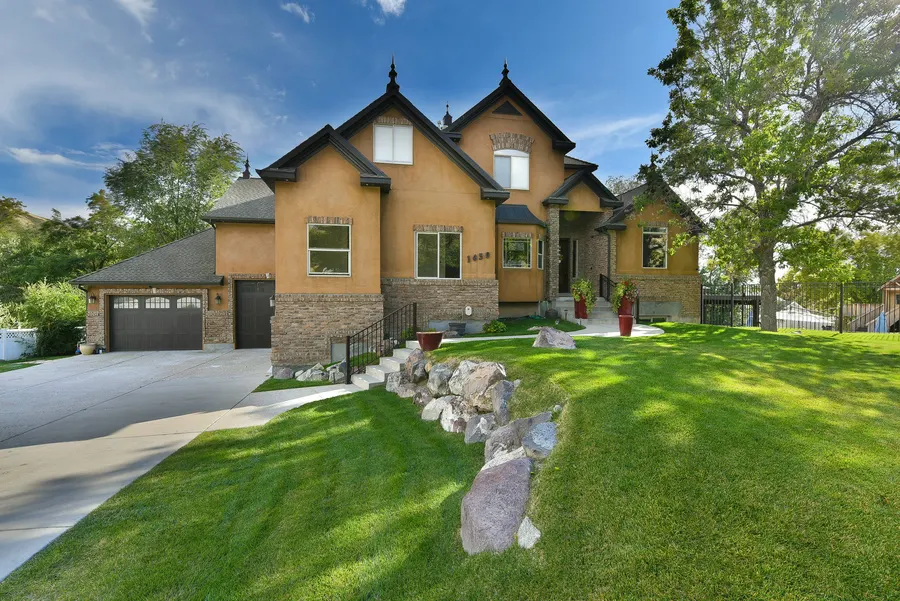
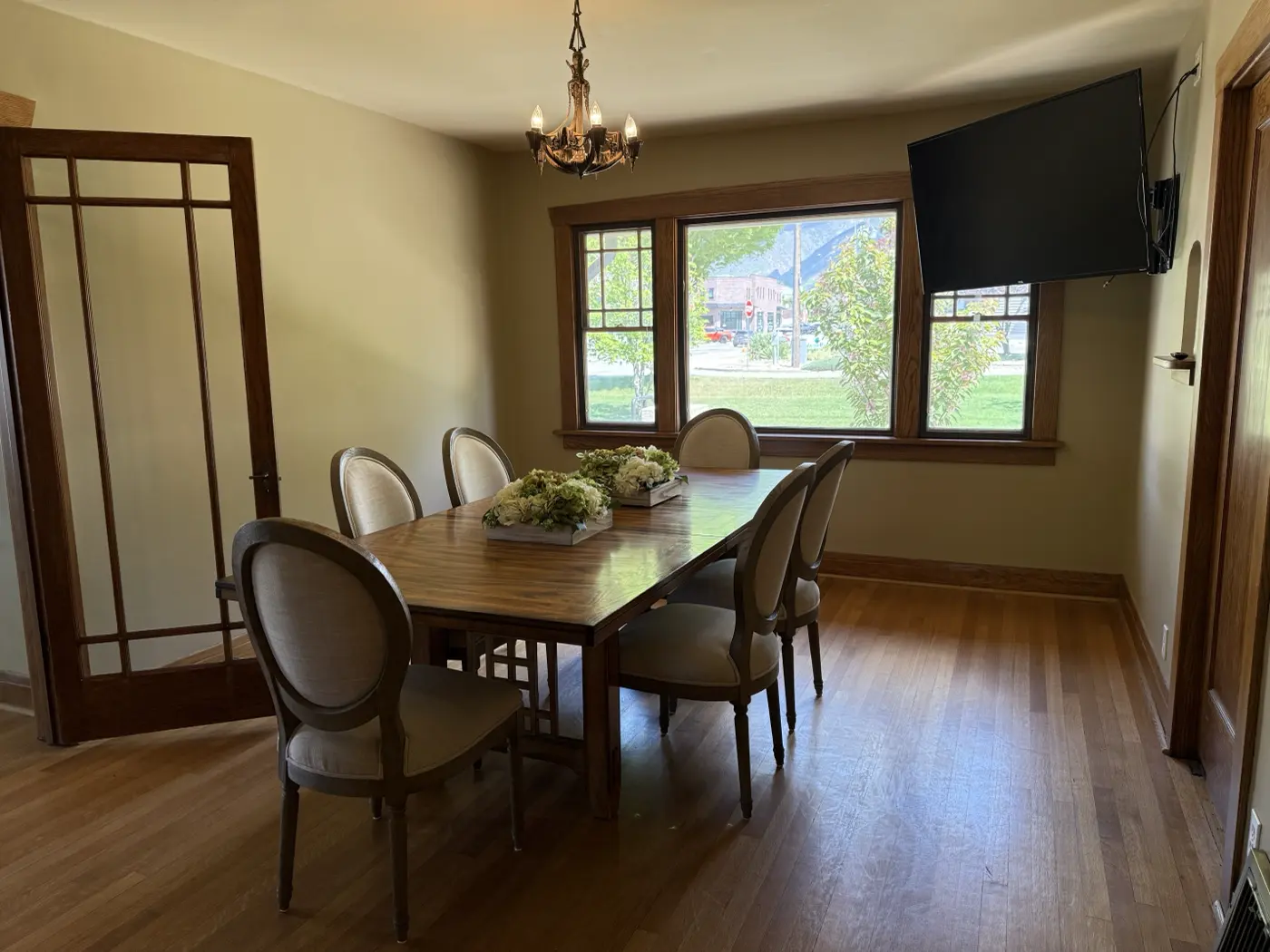
Three mental health facilities in Draper, Utah
Clients come to us from across Utah and the country. Admissions helps you plan your arrival.
Questions about accelerated resolution therapy
Have another question? Our admissions team takes calls at any hour; after hours, we call you back from 9 a.m. MT.
Call (801) 383-0810Is ART the same as art therapy?
They’re different. Accelerated resolution therapy is a trauma therapy that uses eye movements and imagery. Art therapy is a different discipline that uses creative work such as drawing or painting.
How does ART work?
While you hold a distressing image in mind, you follow your therapist’s hand with your eyes, then choose a new image to replace it. The idea is to change how the memory is stored so it no longer sets off the same physical and emotional reaction.
Do I have to relive or describe my trauma?
You need to bring the central image to mind, but you don’t have to describe every detail aloud. Many people choose ART for that reason.
How many sessions does ART take?
It varies. ART sessions are structured and it’s often a shorter-term approach than some trauma therapies, but your team sets the plan with you, and it sits alongside the rest of your treatment.
What are the eye movements for?
As in EMDR, side-to-side eye movements are thought to help the brain reprocess a memory, in a way that may resemble what happens during REM sleep. How they work isn’t fully understood.
Is ART evidence-based?
ART has a smaller research base than EMDR. A 2013 randomized trial with service members and veterans found larger drops in PTSD, depression and anxiety symptoms with ART than with a comparison group. It isn’t yet in the major PTSD treatment guidelines, so we use it alongside established therapies such as EMDR.
Can I come to Corner Canyon only for ART?
ART is part of residential, PHP or IOP care, in individual therapy with a therapist trained in it. Learn about our residential treatment.
Does insurance cover accelerated resolution therapy?
ART is part of your program, so it’s covered when your program is. Our team will verify your insurance for free.
Talk to someone today
Want to know whether ART could be part of your plan? Our admissions team takes calls at any hour; after hours, we call you back from 9 a.m. MT.