



Residential Mental Health Treatment Center in Draper, Utah
Adults 18 and older live on site in a home in Draper, with staff there around the clock. You work through trauma, depression, anxiety and related conditions with a full clinical team, at a pace that gives you time to heal.
Clinically reviewed by Sara Sorenson, LCMHC, Director of Clinical Development
- 4.7/5 on Google from 57+ reviews
- Adults 18+
- Stay set by your care team
- Voluntary and unlocked
- Draper, Utah
Call (801) 383-0810
Prefer to call? (801) 383-0810
Thank you, we have your details
Admissions will call you to go over your coverage, usually the same business day. If it’s urgent, call (801) 383-0810.
What Is a Residential Treatment Program?
We provide evidence-based treatment for adults living with mental illness and trauma disorders. Residential treatment is a place to take part in therapeutic activities within a therapeutic community, while working on your overall health and wellness.
You’re fully immersed in an environment built for introspection, with therapeutic activities that help you understand negative patterns of behavior and thinking, and space to build healthy relationships.
Benefits of Our Personalized Inpatient Program in Utah
Safe and Structured Healing Environment
- A sense of routine and stability, particularly helpful for severe or complex mental health conditions
- Support around the clock: program staff on site day and night, a clinician on call, and a team of psychiatric providers and therapists
Intensive Personalized Therapy
- Customized to each client’s needs
- Individual therapy, group therapy and family support for your specific concerns
- Evidence-based therapies such as CBT, DBT and trauma-focused therapy, often used for severe or complex conditions
Supportive Community
- A community of peers who are also working on their mental health
- Relationships with others going through similar experiences, which can ease isolation and build motivation
- A sense of belonging and purpose, especially helpful for young adults and adults working through identity or self-esteem
If you or someone you know is struggling with a severe or complex mental health condition, residential treatment in Utah may help. Our admissions team can talk it through: call (801) 383-0810.
Our Mental Health Facility
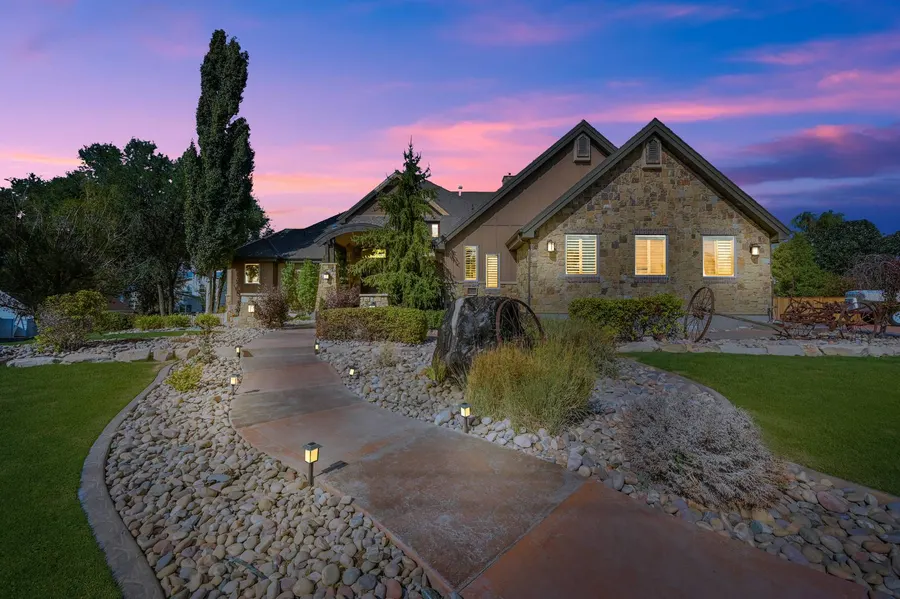
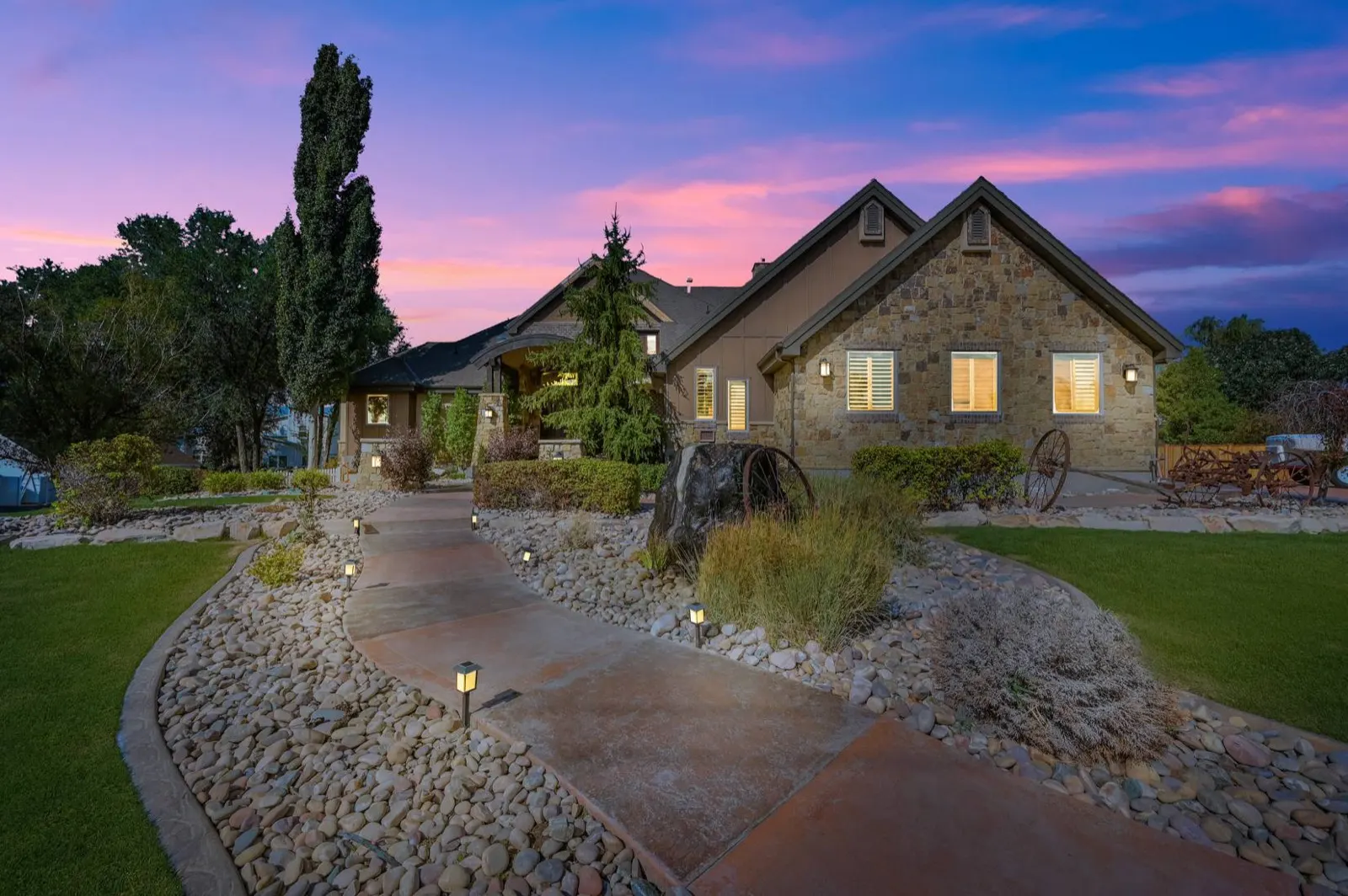
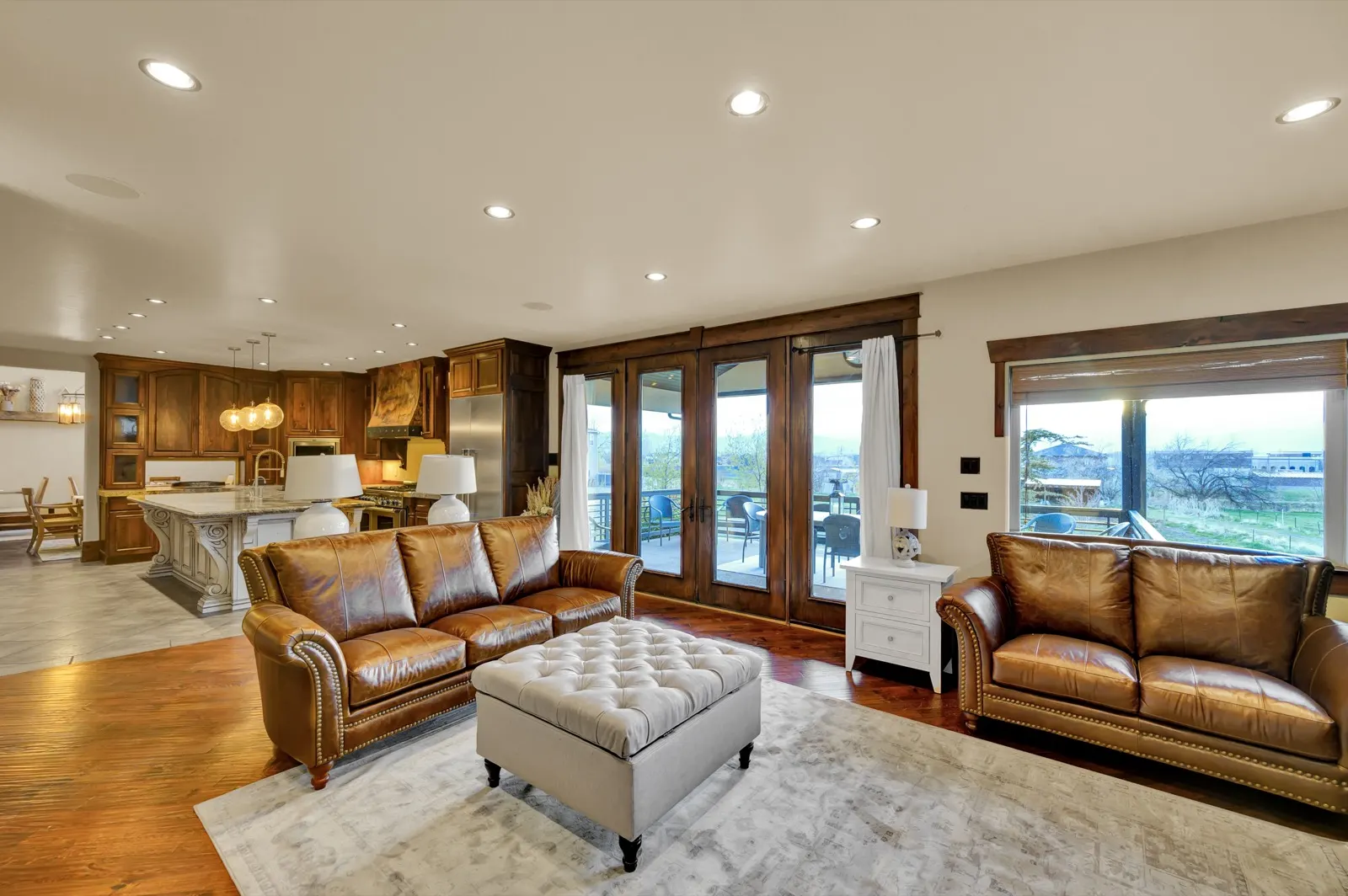
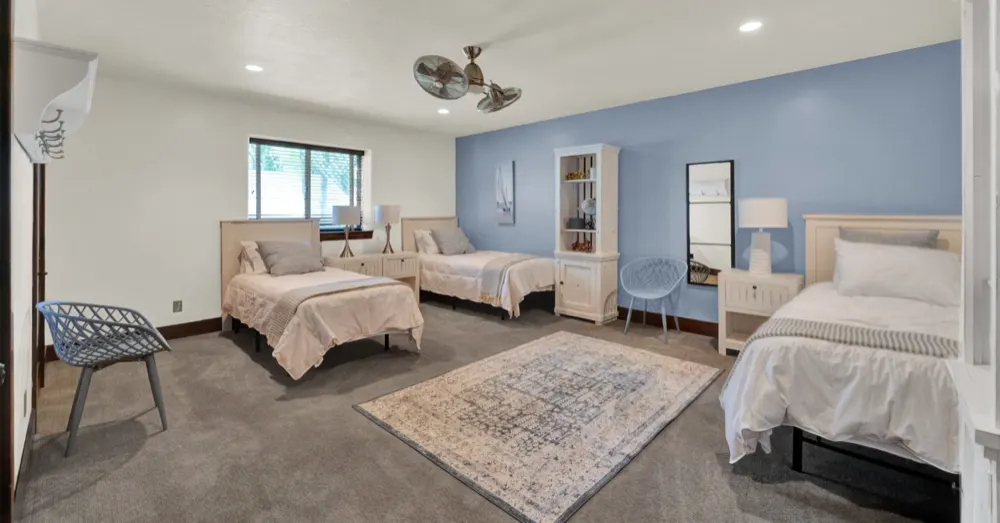
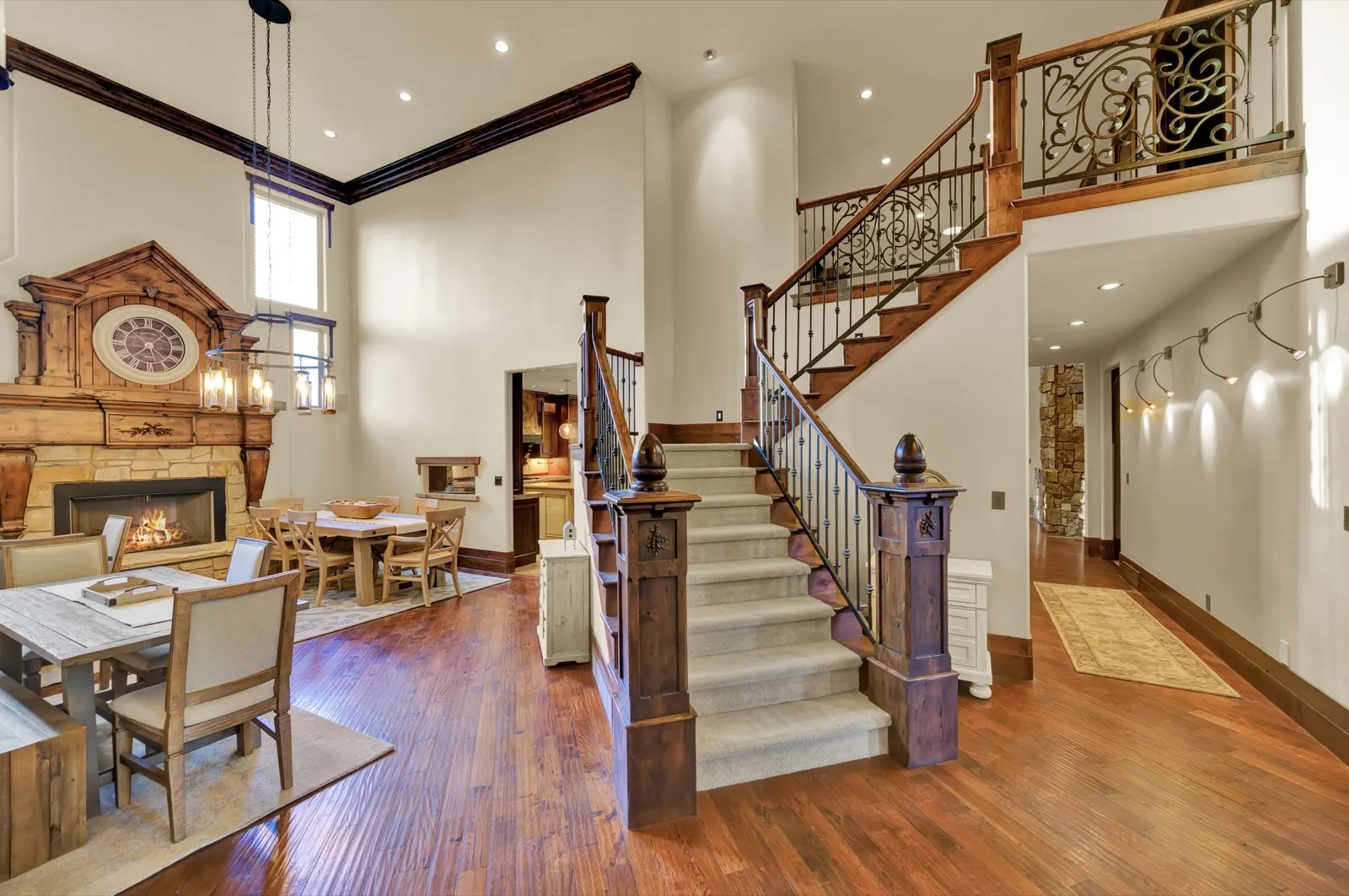
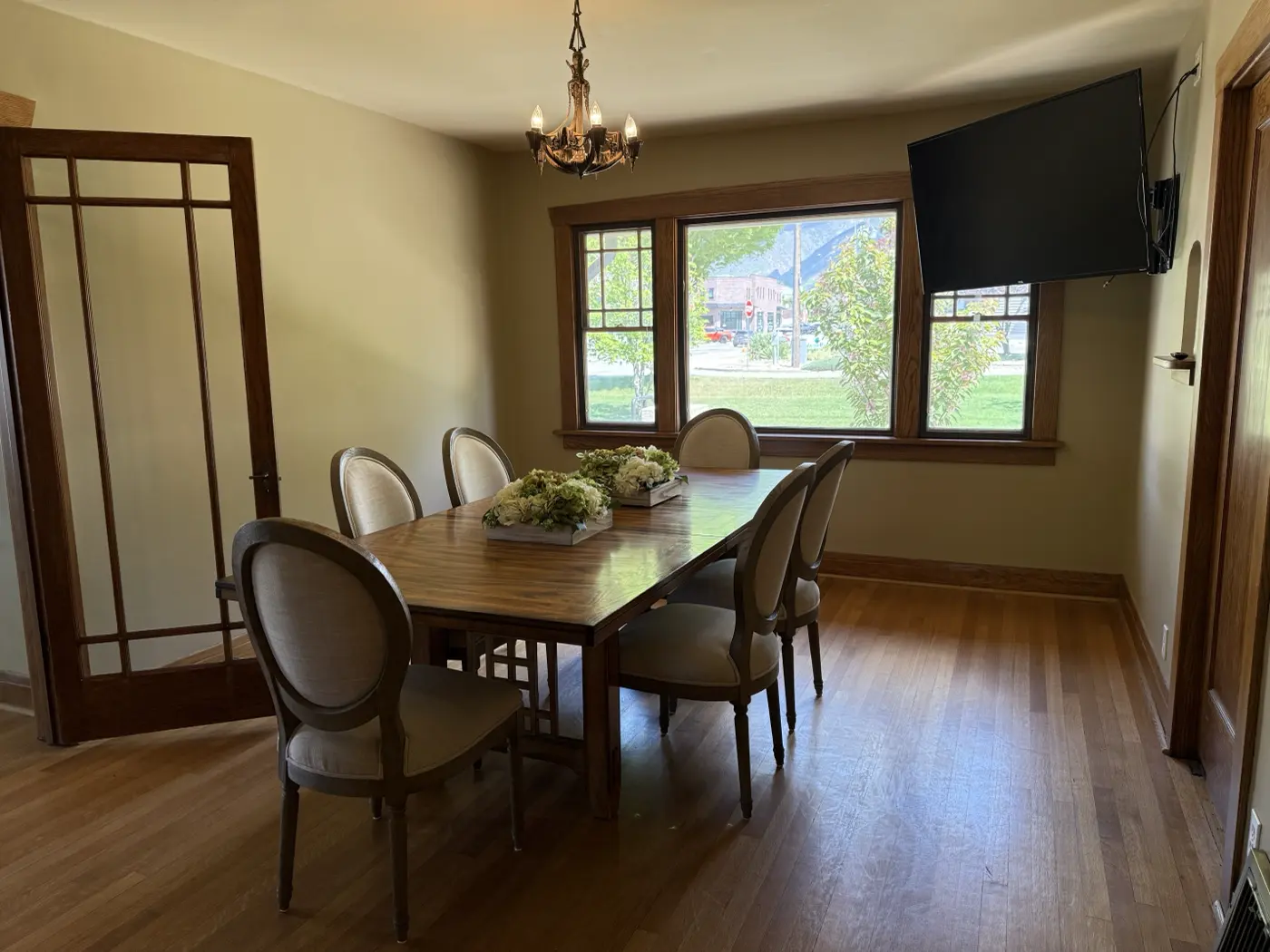
Two small, home-style coed houses give a nurturing, secure setting built for emotional safety. Comfortable rooms and chef-prepared, healthy meals make everyday life easier, and the outdoor spaces look out over the mountains, a calm place to heal.
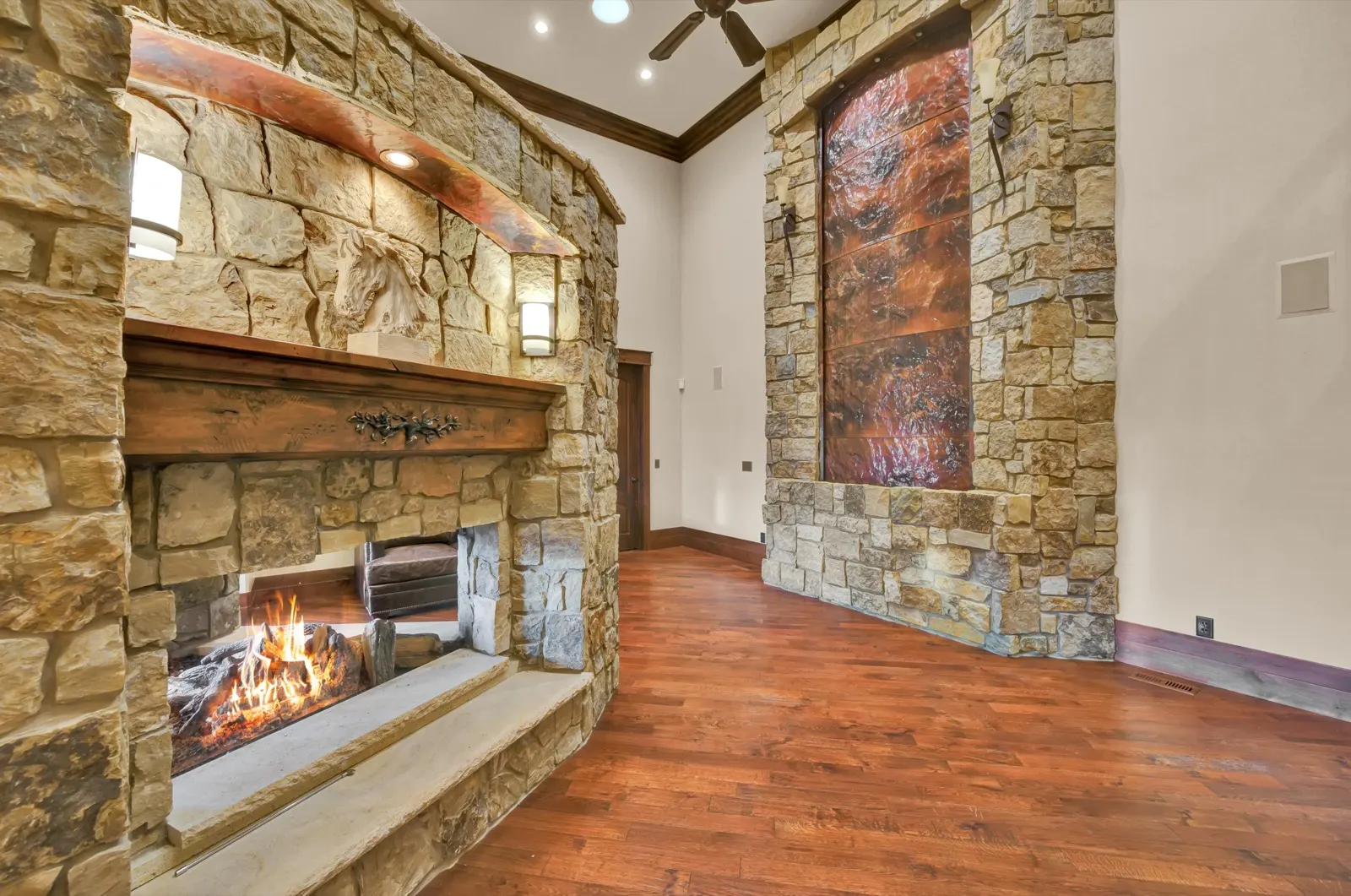
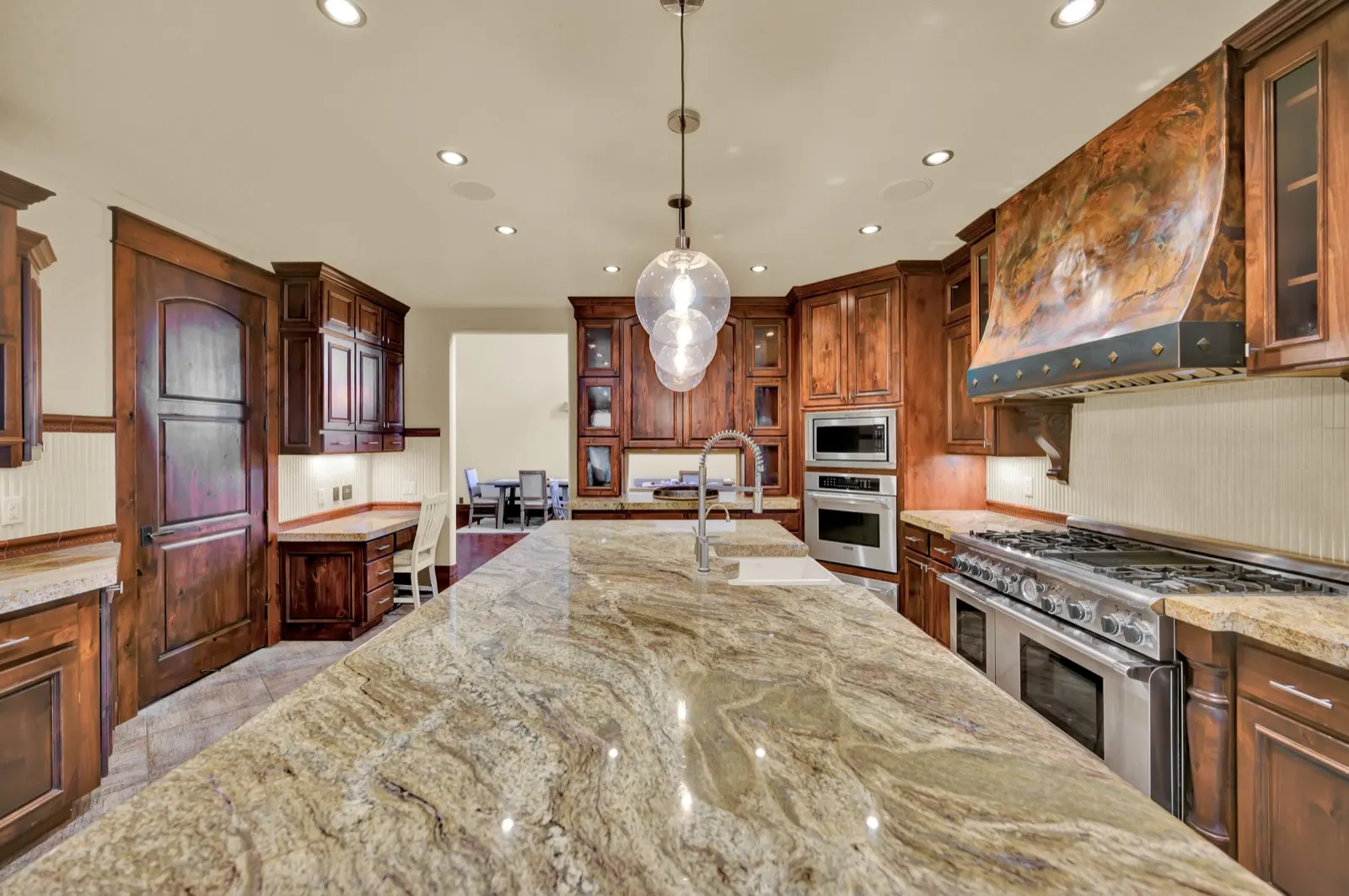
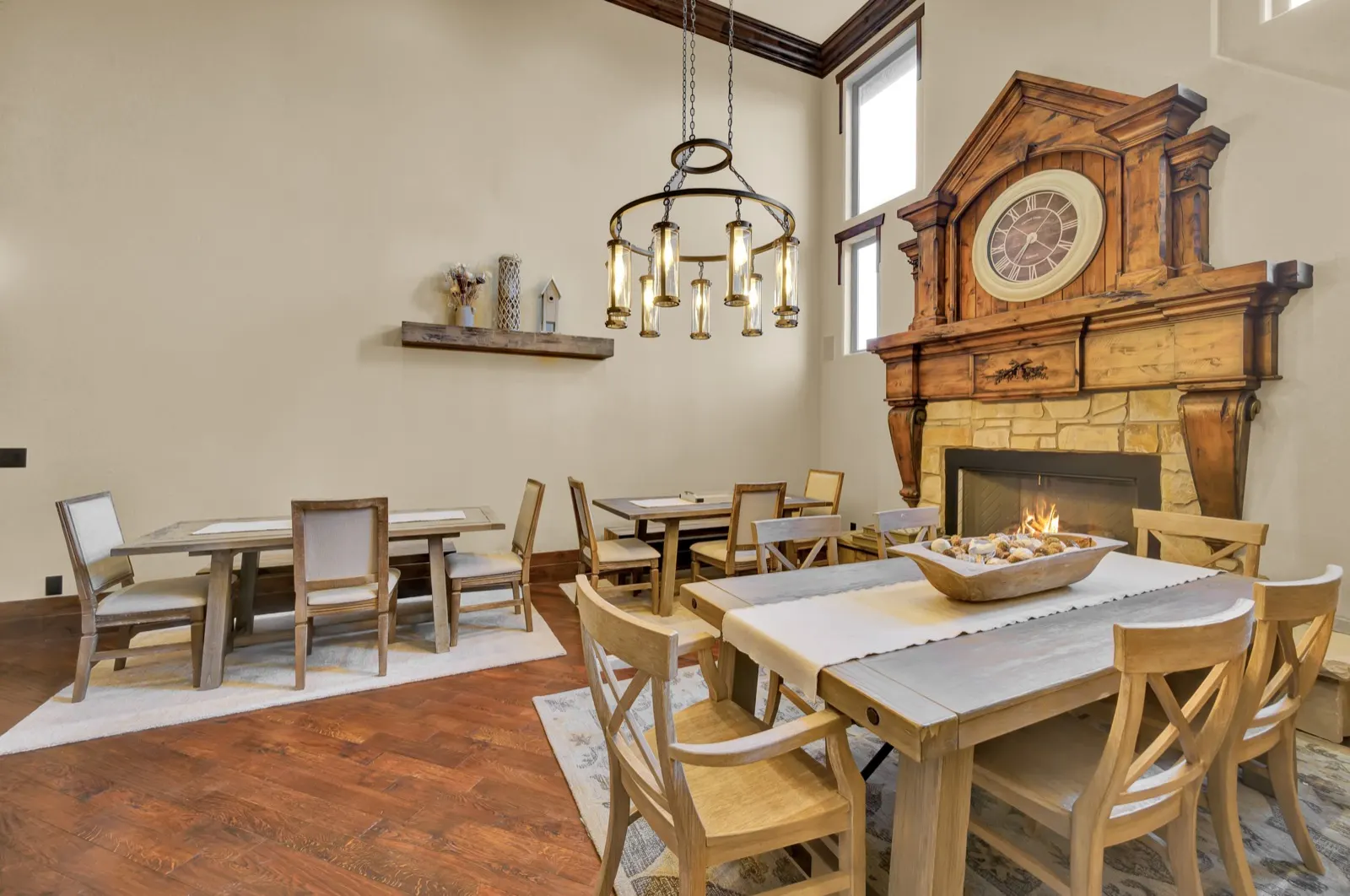
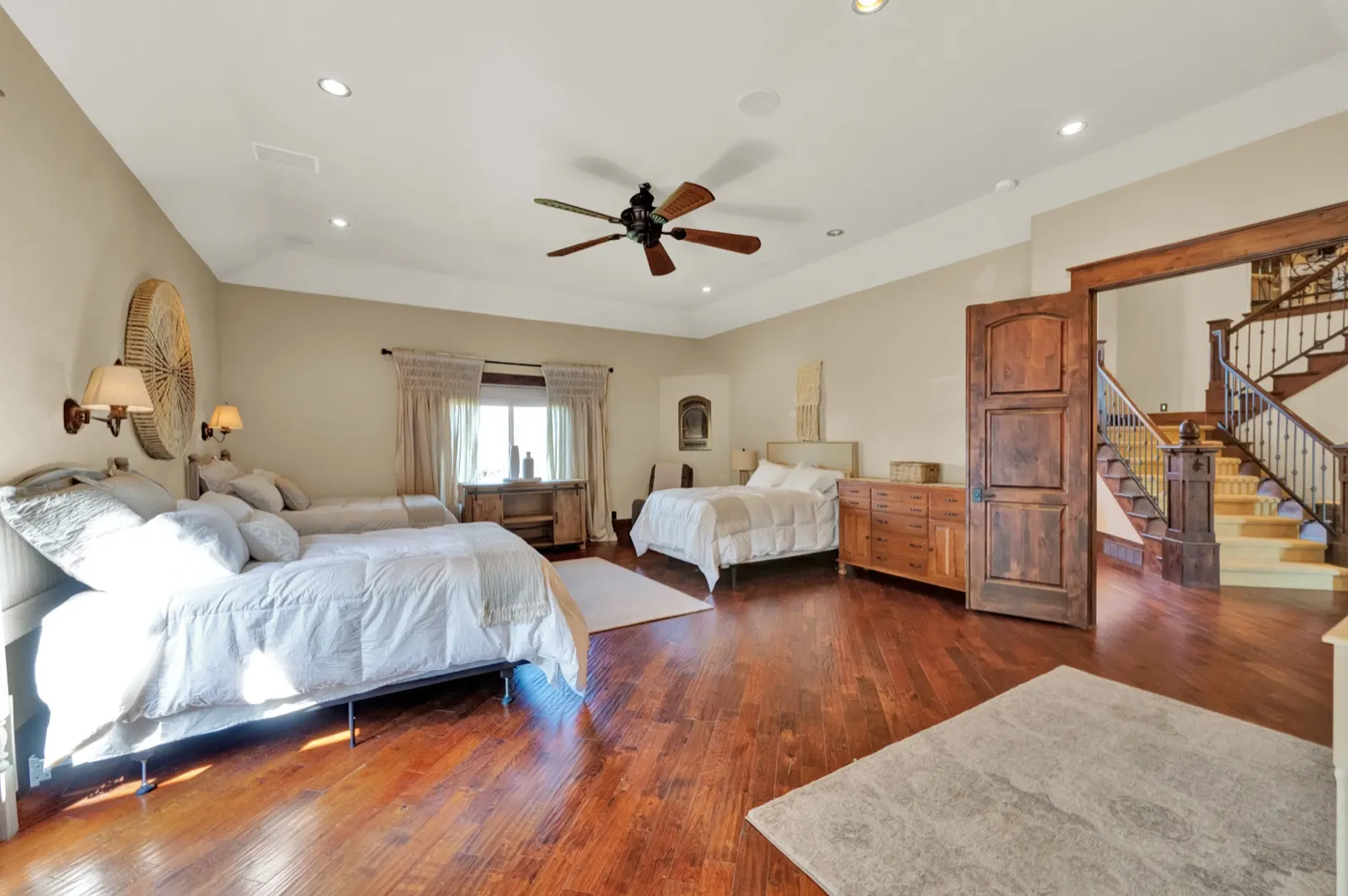
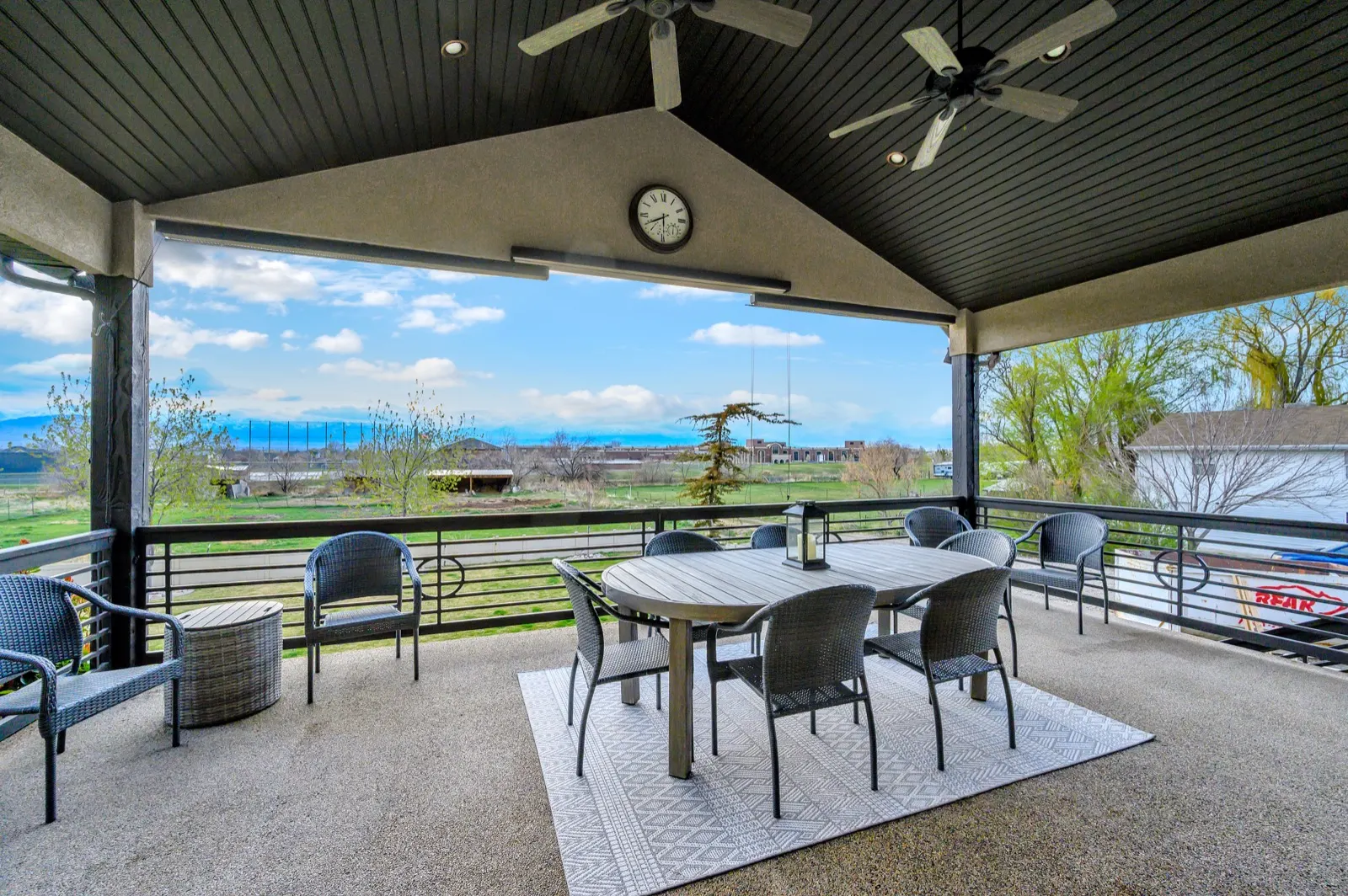
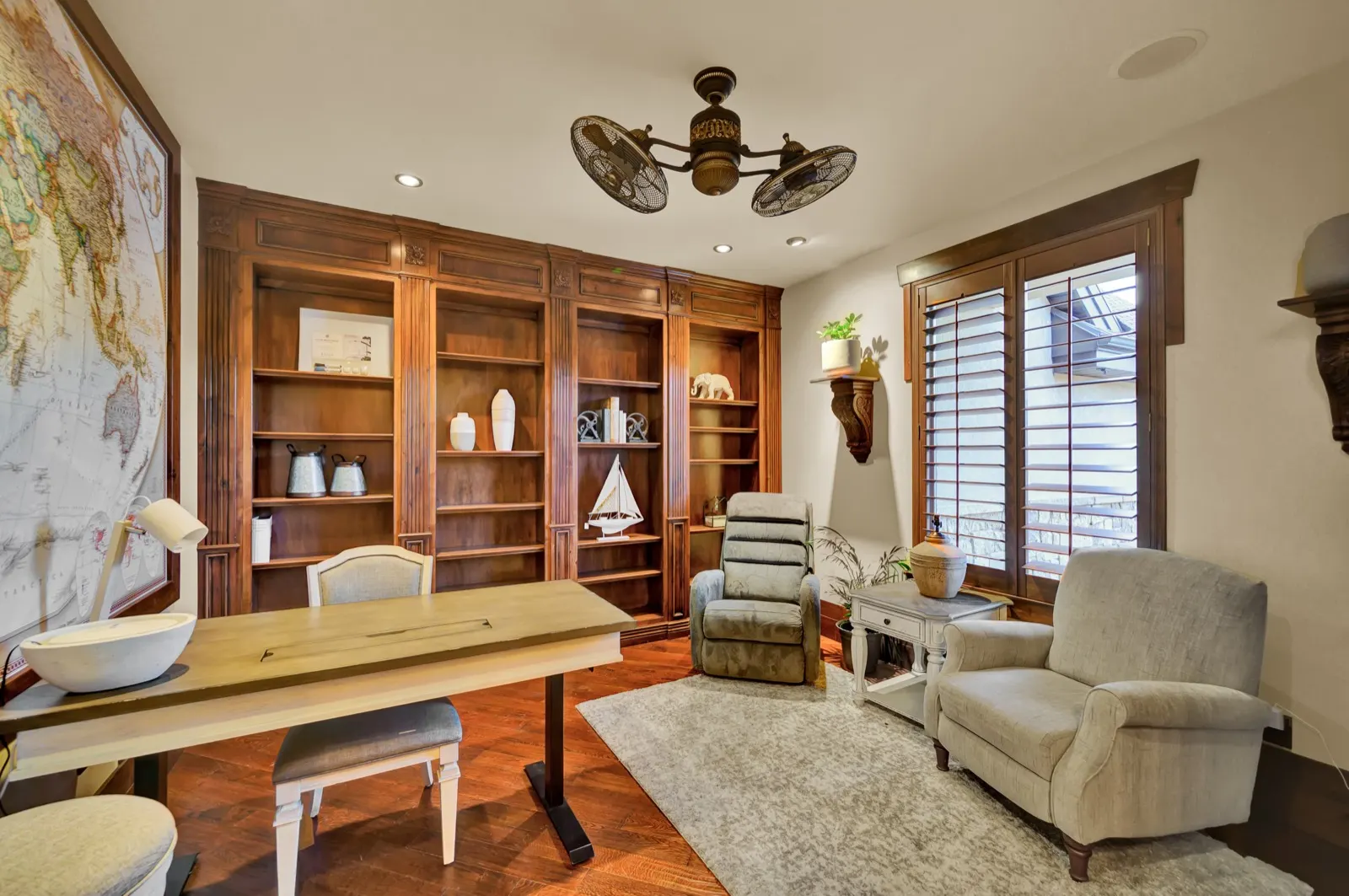
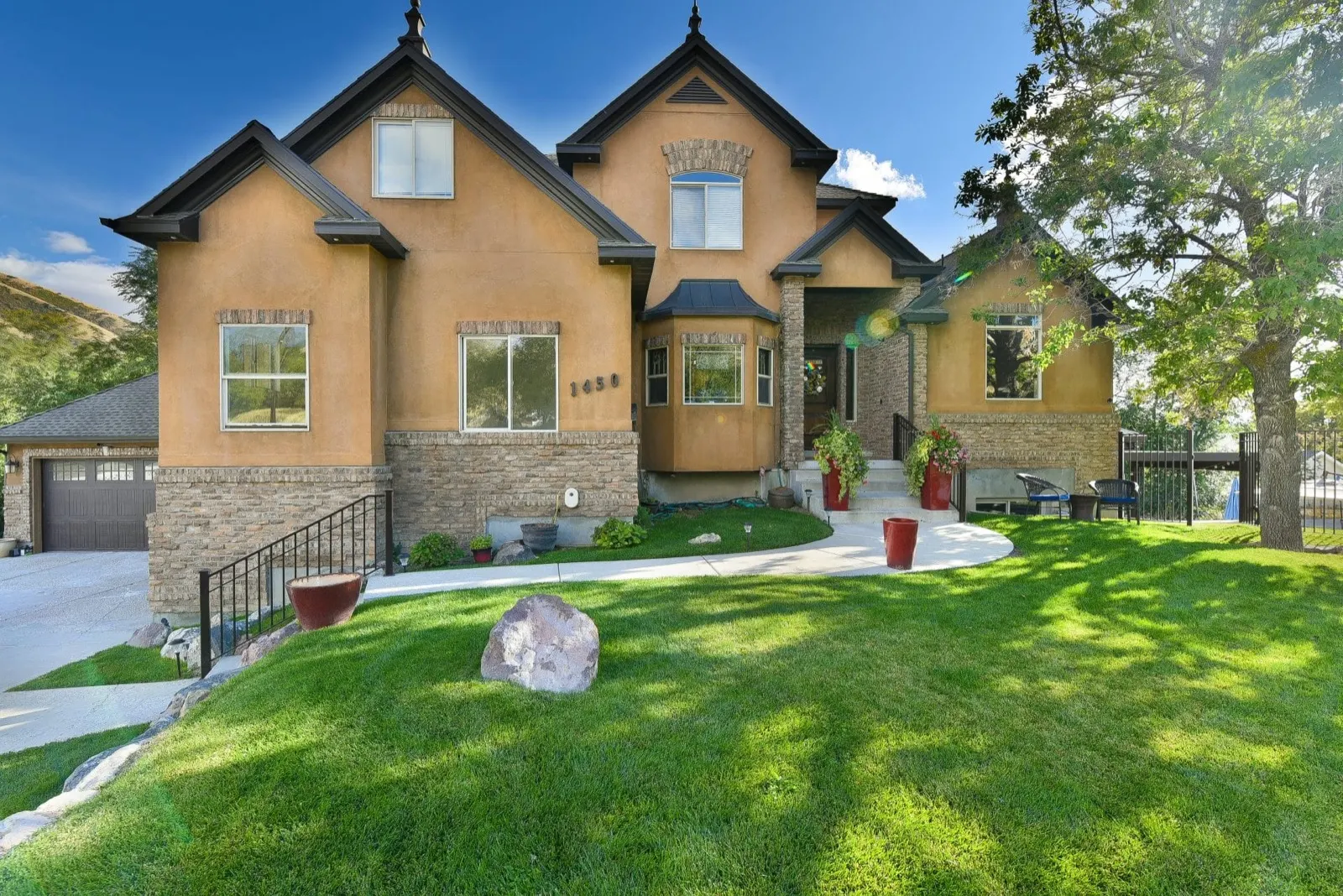
Visit the Draper residential campus page for a full tour, directions and how to visit.
Is residential the right level of care?
Residential is for adults who need more support than outpatient care can give, in a setting that feels like home. See who we help.
Residential may fit if…
- Weekly therapy isn’t enough anymore
- Daily life, work or relationships have become hard to manage
- You’re stepping down from a psychiatric hospital stay
- A past program didn’t go deep enough into the trauma underneath
If another step comes first
- Need detox first? Complete it at a detox program, and join us once you’re medically stable
- Under 18? Our admissions team can suggest programs for teens
- Need emergency care right now? Call or text 988, or go to the nearest ER
See who Corner Canyon is right for, or compare our programs side by side.
What residential treatment includes
Every stay combines therapy, psychiatric care and planning for what comes next, coordinated by one team.
Therapies Offered in Residential Treatment Program in Utah
A structured setting helps you build healthy routines and coping strategies. The program includes group and individual therapy, psychoeducation, life skills development and ongoing medication management, and our certified case managers meet with you twice a week.
Full assessment at intake
Medical and psychiatric evaluations in your first days, with genetic (PGx) testing for enrolled clients and psychological testing arranged later when it would help. Here’s how our full medical and psychological assessment shapes your plan.
Individual therapy
Two sessions a week with your primary therapist, focused on the trauma and patterns underneath your symptoms.
Group therapy
Daily groups for skills, processing and connection with peers who understand what you’re going through.
Medication management
A psychiatric visit every week, with medications reviewed as your plan changes.
Weekly treatment team review
Your clinical, medical and psychiatric providers meet each week to review your care together.
Psychoeducation
Learn how trauma, mood and anxiety work, so you understand what’s happening and why.
Life skills development
Build routines and practical skills you’ll use at home, at work and in relationships.
Case management and aftercare
Certified case managers meet with you twice a week to plan your care and your next step.
Group and individual therapy, working together
Groups and one-on-one sessions are the two cornerstones of every residential day. Each one does something the other can’t.
Group therapy
- Shows you you’re not alone, with peers who understand what you’re going through
- A safe place to practice speaking up, setting boundaries and giving feedback
- Peers support each other, challenge unhelpful thinking and stay accountable
Individual therapy
- One-on-one time with your primary therapist for the work that needs privacy
- Trauma processing with the approaches below, at a pace that feels safe
- Brings what comes up in groups back to your own story and goals
How we treat trauma in residential
Your therapist chooses from these trauma therapies based on your history and goals, and you’ll often use more than one.
- EMDR therapyGuided eye movements help the brain reprocess traumatic memories.
- Accelerated resolution therapyA focused eye-movement approach that changes how distressing images feel.
- Internal family systems therapyWorks with the different parts of you, with curiosity and care.
- BrainspottingUses where you look to reach and process stored trauma.
- Cognitive processing therapy (CPT)Helps you rework the beliefs that formed after trauma.
- Dialectical behavior therapySkills for emotions, distress and relationships.
- Cognitive behavioral therapy (CBT)Connects thoughts, feelings and actions so you can change patterns.
- Attachment therapyExplores early relationships and how they shape the ones you have now.
- Recreational and experiential therapyTherapy through activity, movement and time outdoors.
Advanced treatments for enrolled clients
Ketamine-assisted therapy
Self-pay add-on
Stellate ganglion block
For trauma-related hyperarousal
Genetic testing
Informs medication choices
Neurofeedback
When clinically useful
Holistic Wellness Therapies
Our focus is an inclusive therapeutic community that gives every person the acceptance and understanding they need to recover. We offer integrative approaches that promote introspection, self-awareness and healthy relationships, tailored to each client, to help you build the skills to manage symptoms, keep your mental health steady and live a fulfilling life. Our wellness offerings include:
- Pharmacogenetic testing
Genetic (PGx) testing to inform medication choices.
- Holistic nutrition
Holistic nutrition, with meals cooked on site, our dietitian and a chef who is also a nutritionist.
- The gut-brain connection
Meals built around gut health, with probiotics and fiber, as part of holistic nutrition.
- Ketamine-assisted psychotherapy
Ketamine-assisted therapy, a self-pay add-on after screening.
- Vitamin and nutrient support
Labs for deficiencies such as vitamin D, with supplements your provider recommends.
- Hormone care
Blood work and support from a medical hormone specialist; existing hormone therapy is continued.
- Massage therapy
Available as an optional, self-pay add-on.
- Meditation
Mindful meditation to quiet the mind and notice what you feel.
- Breathwork
Breathing practices to calm the nervous system.
- Yoga
Gentle, at-your-own-pace yoga that supports body-based trauma work.
- Community engagement
Outings and connection beyond the house, as part of the week.
Added after clinical screening, as part of your treatment plan. Explore all the therapies we use.
Conditions we treat in residential
Trauma is our specialty, and it often sits underneath the conditions people first call about. See all conditions we treat.
Our Residential Inpatient Program in Utah
Our residential program in Utah treats a diverse range of mental health issues, including PTSD, mood disorders, anxiety disorders and personality disorders.
- A small program, so every client gets personalized attention from experienced, compassionate staff
- A unique, personal journey, designed around each person’s needs
- A safe and supportive environment, crucial for healing
- A wide range of activities to rediscover passions, build new interests and connect with others
Trauma and PTSD
Trauma and PTSD treatment, including complex PTSD.
Dissociative disorders
Specialist dissociative identity disorder treatment.
BPD and personality disorders
BPD and personality disorder treatment grounded in DBT.
Depression
Depression treatment when weekly therapy hasn’t been enough.
Bipolar disorder
Bipolar disorder treatment with psychiatric medication management.
Anxiety and OCD
Anxiety treatment and OCD treatment for worry, panic and compulsions.
Suicidal thoughts
Treatment for suicidal thoughts, with staff on site day and night.
Co-occurring substance use
Co-occurring mental health and substance use care, once you’re medically stable.
Gender dysphoria
Gender dysphoria treatment, with hormones you already take continued.
Neurodivergent adults
Care for neurodivergent adults when depression, anxiety or trauma brings you in.
A home, not a hospital
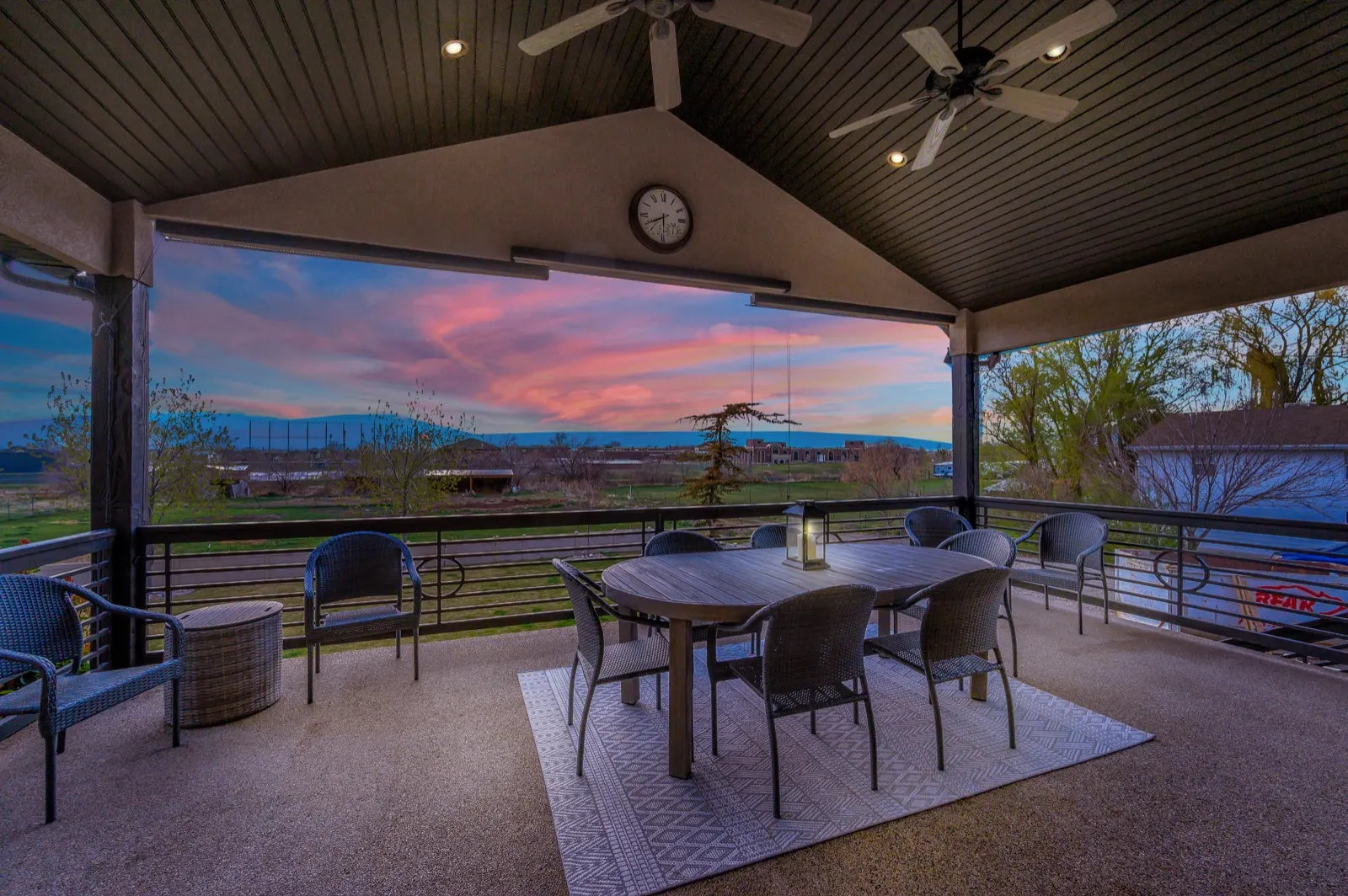
Residential treatment here is voluntary, and the houses are unlocked. You live in a real home at the foot of the Wasatch Mountains, with a small group of peers and staff there day and night.
- Voluntary treatment in unlocked houses, with staff on site around the clock
- Two small, home-style coed houses, with men and women on separate floors
- Mostly shared bedrooms
- Chef-prepared meals planned around holistic nutrition, with special diets handled
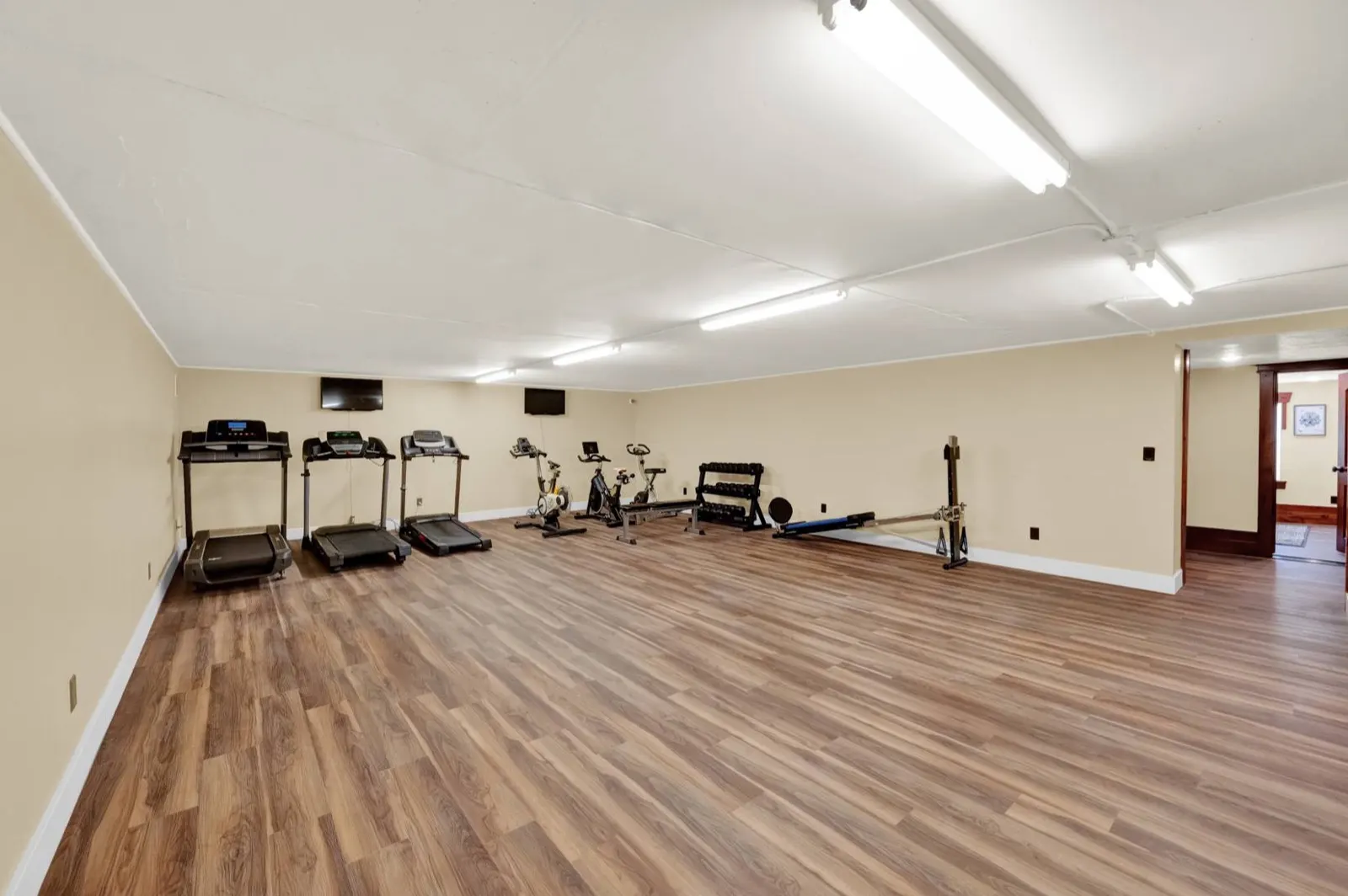
- Gym time most days, hikes, equine therapy and time outdoors below the Wasatch Mountains
- LGBTQ+ affirming mental health treatment, with rooms assigned by your gender identity
Phone time and visits follow a set schedule. See what to expect in residential treatment, from packing to your first week.
Many clients travel from out of state and fly into Salt Lake City International, where admissions staff pick them up.
How long people stay
Length of stay is set by your clinical team, with you, based on your progress, and reviewed every week. Read a realistic timeline for trauma recovery in residential care.
Admissions checks what your insurance covers before you start, so you know how many days are approved.
Assessment and settling inTrauma work and skillsStep-down planning
Hear it from the people who run Corner Canyon
Our founder and team talk about the homes, the culture and what care looks like here.
“We just love them all the same.”
“It feels like a family here.”
“It doesn’t stop when you leave the door.”
“What they say is what they do.”
In our clients’ words
After residential
Most clients step down to PHP and then IOP in Draper, with the same team and records the whole way. See how clinicians choose the level of care and what happens after residential treatment.
PHP
Full therapy days on weekdays while you sleep at home, in our partial hospitalization program.
IOP
Fewer hours a week, built around work or school, in our intensive outpatient program.
Aftercare
A written plan for ongoing therapy, psychiatry and support before you finish, and our alumni community afterward.
Family support
Virtual family sessions and guidance through our support for families.
Thank you, we have your details
Admissions will call you to go over your coverage, usually the same business day. If it’s urgent, call (801) 383-0810.
Paying for residential treatment
Many PPO plans with out-of-network benefits cover part or most of a residential stay; we work with many Aetna PPO plans, Cigna plans and Blue Cross Blue Shield plans such as Anthem and Regence, through out-of-network benefits, depending on your plan. Our admissions team checks your insurance for residential treatment for free and explains your costs before you commit.
PPO plans with out-of-network benefitsUsually covered
Self-payPayment options
Single case agreementsAsk admissions
Read about cost and payment options. Hospital case managers: here’s how we take referrals for clients coming from a psychiatric hospital.
Thank you, we have your details
Admissions will call you to go over your coverage, usually the same business day. If it’s urgent, call (801) 383-0810.















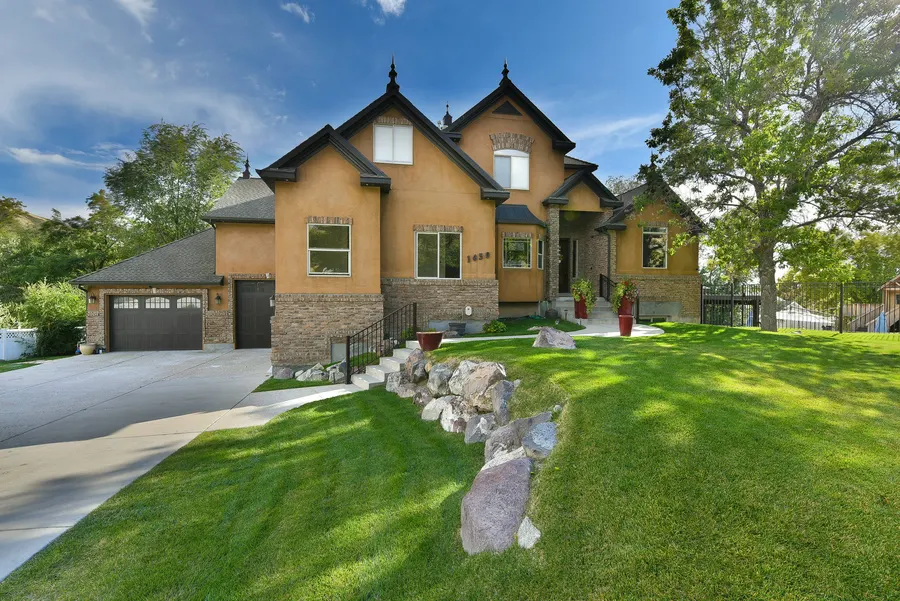
Three mental health facilities in Draper, Utah
Clients come to us from across Utah and the country. Admissions helps you plan your arrival.
Questions about residential treatment
Have another question? Our admissions team takes calls at any hour; after hours, we call you back from 9 a.m. MT.
Call (801) 383-0810What is residential mental health treatment?
You live on site and take part in a full daily schedule of therapy, psychiatric care and structured activities, with staff available around the clock. It sits between outpatient therapy and a hospital stay.
Is residential the same as inpatient?
Many people use the words the same way, so if you’re looking at inpatient mental health facilities in Utah, residential programs like ours are part of that search. Corner Canyon is voluntary and home-style, in unlocked houses rather than a hospital unit. If you need emergency care now, call or text 988 or go to the nearest emergency room.
How long will I stay?
Length of stay is set by your clinical team and reviewed with you every week, based on your progress. Admissions checks what your insurance covers before you start.
What conditions do you treat in residential?
Trauma and PTSD, dissociative disorders, BPD and other personality disorders, depression, bipolar disorder, anxiety, OCD, suicidal thoughts and gender dysphoria, and we work with neurodivergent adults. Co-occurring mental health and substance use is treated alongside once you are medically stable.
What if I need detox first?
Complete detox at a program that offers it, then join us once you’re medically stable. Our admissions team can point you to detox programs and plan your start date with you.
How often will I see a therapist and a psychiatrist?
You have two individual therapy sessions a week with your primary therapist and a psychiatric visit once a week, along with daily groups. A clinician is on call around the clock after hours.
Do you accept clients from outside Utah?
Yes. We welcome adults from across the country, and many clients fly in for treatment. You fly into Salt Lake City International, and admissions staff pick you up and drive you to the house. A one-way flight is enough, since your discharge date depends on your progress.
Is residential covered by insurance?
Many PPO plans with out-of-network benefits cover part or most of residential treatment. Admissions checks your insurance coverage for free before you commit, and self-pay options are available.
Talk to someone today
Our admissions team takes calls at any hour (after hours, we call you back from 9 a.m. MT), and can check bed availability and your benefits on the first call.