
Can anxiety cause nerve pain?
How anxiety shows up in the body, from tingling to burning pain.
Residential, PHP and IOP anxiety treatment for adults whose panic, worry or avoidance has outgrown weekly therapy. Severe anxiety is common and treatable, and we treat what’s driving it, not only the symptoms.
Clinically reviewed by Sara Sorenson, LCMHC, Director of Clinical Development
Prefer to call? (801) 383-0810
Admissions will call you to go over your coverage, usually the same business day. If it’s urgent, call (801) 383-0810.




Needing more support isn’t a failure. When anxiety runs your days, more time in treatment gives you room to change it.
Many people don’t know residential treatment exists for anxiety. It does, and it fits when anxiety keeps you from working, leaving home or getting through the day.
Anxiety disorders are a group of mental health conditions with excessive, persistent fear, worry or anxiety that interferes with daily life.
Excessive worry and fear about everyday events and activities, often with physical symptoms such as restlessness, fatigue and muscle tension.
Recurrent, unexpected panic attacks: sudden periods of intense fear or discomfort with chest pain, shortness of breath or heart palpitations.
Fear or anxiety about social situations, such as public speaking, meeting new people or attending social gatherings.
Intense fear of a specific thing or situation, such as flying, heights or crowds, that leads you to avoid it.
Intense fear of being in places where it’s hard to escape or help might not be available, such as crowds, bridges or being outside alone. Some people stay home for long periods.
Persistent worry about being or getting seriously ill, often with frequent checking or reassurance seeking.
Obsessive thoughts and compulsions have their own page. See our OCD treatment.
Therapies that reduce anxiety symptoms and build coping skills for stress, alongside medication management, sleep, nutrition and movement.
Alongside therapy, your psychiatric team provides medication management to improve anxiety symptoms.
Selective serotonin reuptake inhibitors such as Prozac and Zoloft are antidepressants that increase serotonin levels in the brain.
Sedatives that give fast, short-term relief of anxiety symptoms. They work quickly but carry a higher risk of dependence and misuse.
Used to control the physical symptoms of anxiety, such as trembling and sweating.
For enrolled clients who may benefit, optional neurofeedback therapy is available alongside therapy. It isn’t routine and may cost extra.
Medication decisions are made with your psychiatric provider. Benzodiazepines and sleep aids can be continued when they’re medically necessary, under your team’s supervision.
Each level adds more support than a weekly session. Your team recommends where to start after a full assessment, and you step down as anxiety eases. Compare all our mental health programs.
Fits when anxiety keeps you from leaving home, working or sleeping, and you need distance and around-the-clock support. Learn about our residential mental health treatment.
Fits when you need daily, intensive therapy but can live at home or nearby. Learn about our partial hospitalization program.
Fits when you can manage most of the day but need more than a weekly session, or as a step down. Learn about our intensive outpatient program.
Severe anxiety rarely comes alone. Your plan treats what’s underneath it, with the same team. Not every case of anxiety comes from trauma, so your assessment looks at the whole picture. Anxiety can also come from a medical condition, such as thyroid problems or an irregular heartbeat, or from caffeine, other substances and some medicines, which is why your assessment includes a medical review.
When anxiety is driven by trauma, trauma therapy is part of the plan. See our trauma and PTSD treatment.
Anxiety and depression often travel together. Learn about our depression treatment.
ADHD can add to worry and overwhelm. See mental health care for neurodivergent adults.
Alcohol or drugs used to calm anxiety can make it worse. Read about co-occurring mental health and substance use care.
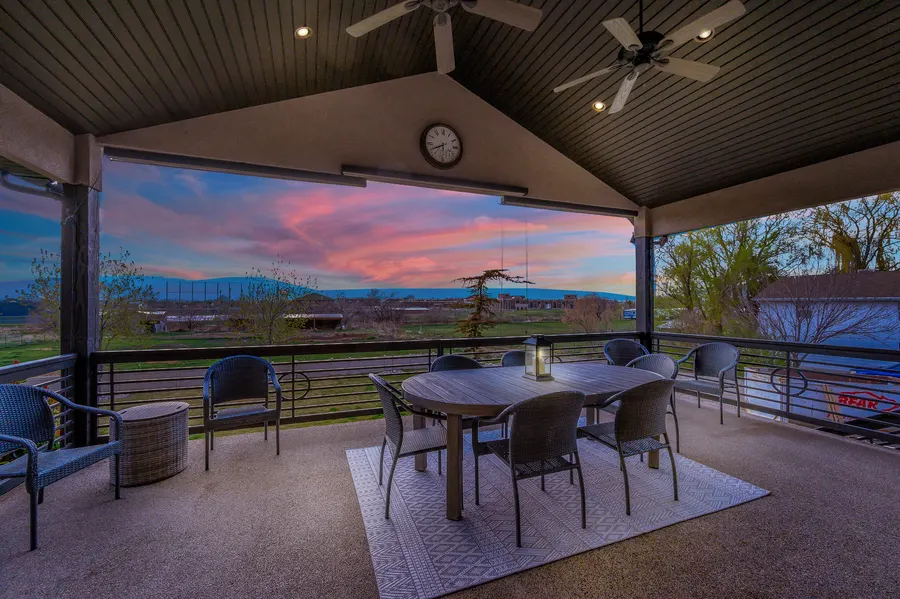
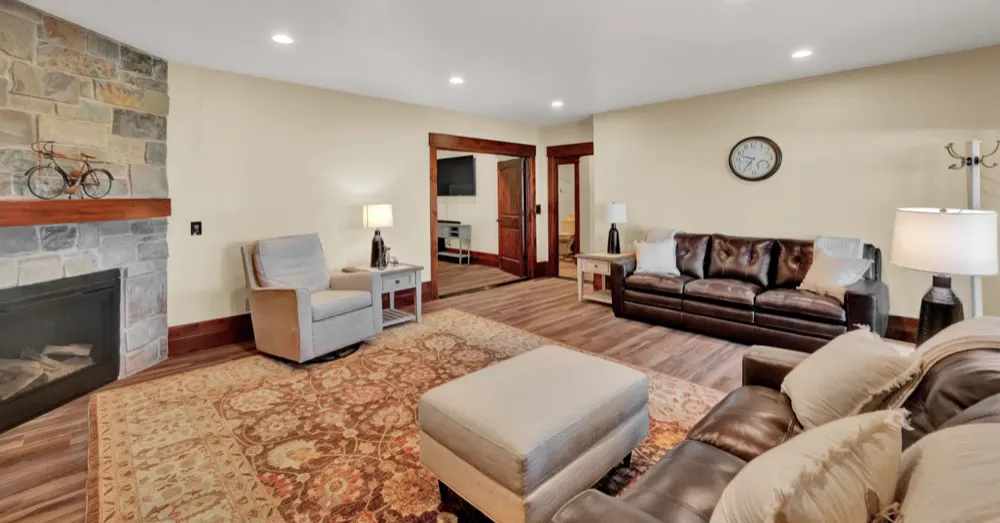
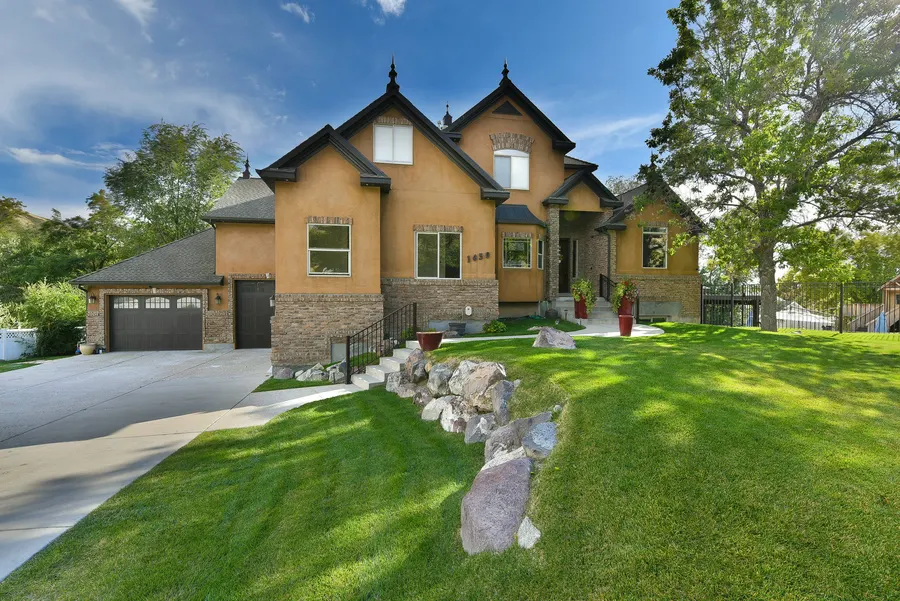
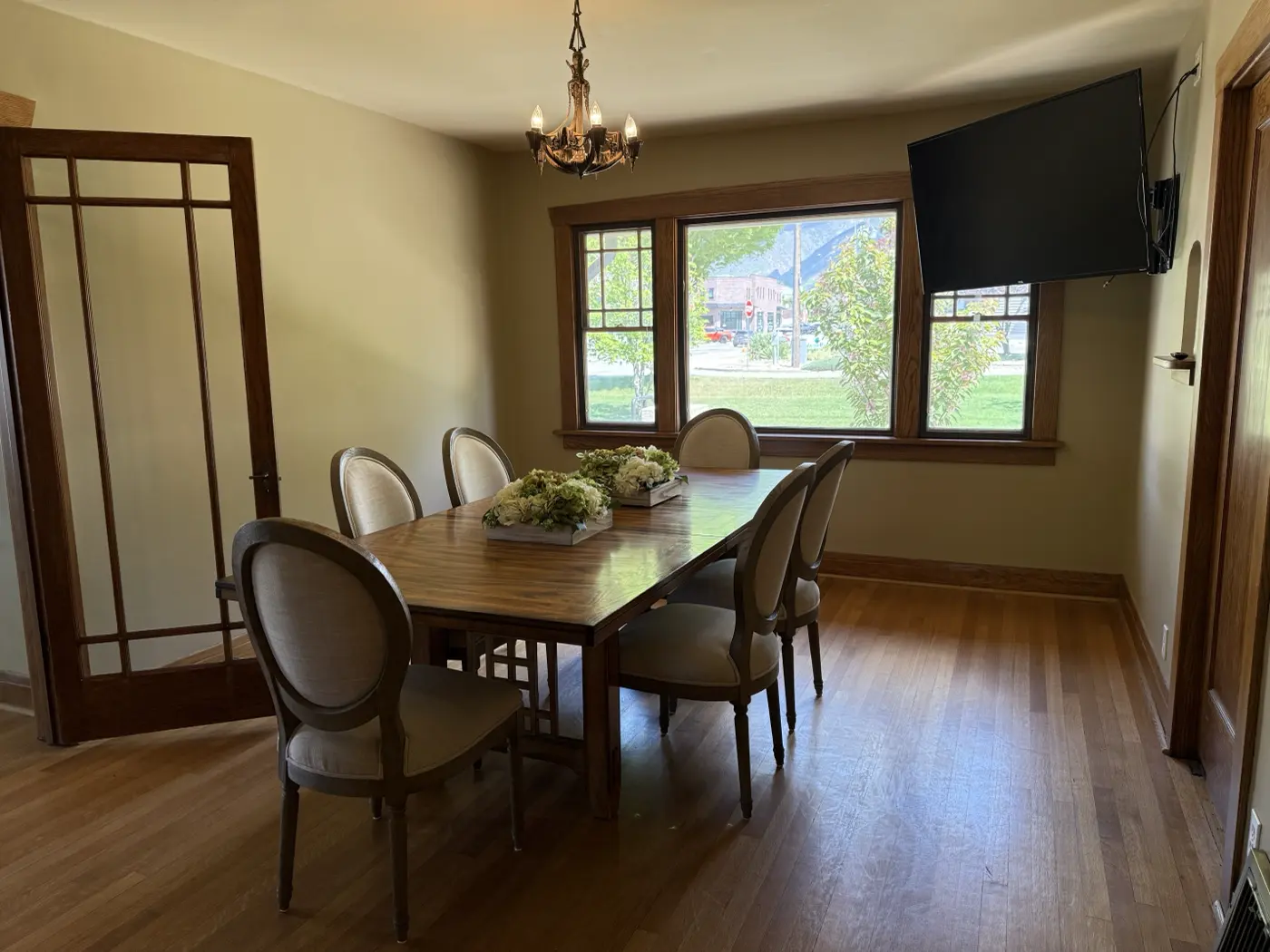
Anxiety eases in a predictable, quiet place. Our residential mental health treatment houses in Draper, about 20 miles south of Salt Lake City, are built for that.
Guides from our team on what anxiety does to the body and mind, and what helps.
How anxiety shows up in the body, from tingling to burning pain.
What the freeze response is, and steps to come back to the present.
Practical ways to manage worry day to day.
Admissions will call you to go over your coverage, usually the same business day. If it’s urgent, call (801) 383-0810.
We work with most PPO plans that include out-of-network benefits, and with self-pay. Our admissions team checks your mental health insurance benefits for free before you start.
Read about cost and payment options.
Admissions will call you to go over your coverage, usually the same business day. If it’s urgent, call (801) 383-0810.















Clients come to us from across Utah and the country. Admissions helps you plan your arrival.

Have another question? Our admissions team takes calls at any hour; after hours, we call you back from 9 a.m. MT.
Call (801) 383-0810Yes. Residential care helps when anxiety keeps you from working, leaving home or functioning day to day, and outpatient care hasn’t been enough. Learn about our residential mental health treatment.
Corner Canyon offers residential, PHP and IOP, which give more support than a weekly session. If weekly outpatient therapy fits you better, admissions can suggest options near you.
Cognitive behavioral therapy, including exposure therapy, DBT skills, and trauma therapies such as EMDR and ART when trauma is involved.
Yes, as part of anxiety treatment, with therapy and medication management.
Medication decisions are made with your psychiatric provider. If benzodiazepines or sleep aids are medically necessary for you, they can be continued under your psychiatric team’s supervision.
Anxiety disorders need professional mental health treatment to manage symptoms. That can include medication such as antidepressants or sedatives, cognitive behavioral therapy, group therapy and family involvement, or a combination of these.
Anxiety disorders are their own group, separate from mood disorders such as depression, though the two often occur together.
Common signs include worry about everyday things that’s hard to control, feeling restless or on edge, muscle tension or aches, trouble falling or staying asleep, and a pounding or racing heart during panic attacks. Only a professional can diagnose an anxiety disorder. Our admissions team can help you take the next step.
You don’t have to have it all figured out to call. Our admissions team takes calls at any hour (after hours, we call you back from 9 a.m. MT), confidentially.