




Depression Treatment in Draper, Utah
Residential, PHP and IOP depression treatment for adults in Draper, Utah, including for depression that hasn’t lifted with weekly therapy or medication. We look for what’s driving it, and treat that too.
Clinically reviewed by Sara Sorenson, LCMHC, Director of Clinical Development
- Treatment-resistant depression
- Residential, PHP and IOP
- Draper, Utah
Call (801) 383-0810
Prefer to call? (801) 383-0810
Thank you, we have your details
Admissions will call you to go over your coverage, usually the same business day. If it’s urgent, call (801) 383-0810.
When depression needs more than weekly therapy
Keeping on trying when nothing has helped is exhausting. More support can make room for real change.
Read what is clinical depression, or, if suicidal thoughts are part of it, see our treatment for suicidal thoughts.
Who we treat for depression
- LGBTQ+ adults, with identity-related stress and discrimination worked into your plan when they’re part of the depression
- Young adults. Most clients are in their twenties to forties, and many are older
- People who’ve tried treatment before, including therapy, medication or another program
- Adults going through a faith transition. In Utah especially, questioning or leaving a faith community can bring grief, family strain and depression. We treat it without judgment and without any agenda about belief
More support may help if…
- You can’t work, study or take care of yourself the way you used to
- Medication and weekly therapy haven’t been enough
- You were recently in a psychiatric hospital and need more support
- Depression keeps coming back, or never fully lifts
- You’re having thoughts of suicide or that life isn’t worth living
Why depression may not be lifting
When depression hasn’t responded to treatment, something else is often involved. A full medical, psychiatric and psychological assessment at intake looks for it.
Trauma underneath
Trauma is a common factor in depression that doesn’t respond to treatment, including relational trauma such as narcissistic abuse. See our trauma and PTSD treatment.
Bipolar disorder
Depression that’s really part of bipolar disorder needs different treatment. Learn about our bipolar disorder treatment.
Medication fit
The right medication varies by person. Genetic testing can help guide choices.
Anxiety alongside
Untreated anxiety keeps depression going. Learn about our anxiety treatment.
Sleep
Poor sleep and depression feed each other. See our sleep and trauma program.
Substance use
Alcohol and drugs can deepen depression. Read about co-occurring mental health and substance use care.
Types of mood disorders we treat
Different mood disorders have their own timeline, intensity and symptoms. We treat them as the primary concern, like all the mental health conditions we treat, with substance use treated alongside when it’s present.
Major depressive disorder (MDD)
Also called clinical depression, the most commonly diagnosed mood disorder: frequent low mood, negative thoughts, fatigue, and changes in sleep and appetite.
Bipolar disorder
Highs and lows (mania and depression) that can each last weeks or months. Mania can bring impulsive, risky behavior such as heavy drinking.
Seasonal affective disorder
Depression in the fall or winter months, when shorter days and less sunlight are thought to change brain chemistry.
Persistent depressive disorder
Depression that is often less intense than major depression but lasts longer, present most days for at least two years.
Premenstrual dysphoric disorder (PMDD)
A severe form of premenstrual syndrome, with depression, irritability and anxiety in the days before a period.
Disruptive mood dysregulation disorder
A childhood diagnosis marked by ongoing irritability and outbursts. Adults whose mood problems began this way are welcome.
How we treat depression
Therapy, medication and whole-person care, plus advanced treatments for enrolled clients when standard care hasn’t been enough. Read about treatment-resistant depression options.
- Cognitive behavioral therapyHelps you notice and change the thought patterns that keep depression going.
- Dialectical behavior therapy (DBT)Skills for strong emotions, distress and relationships.
- Trauma therapiesEMDR, IFS and ART when depression is linked to trauma.
- Medication managementA weekly psychiatric visit, with your history and current medications reviewed.
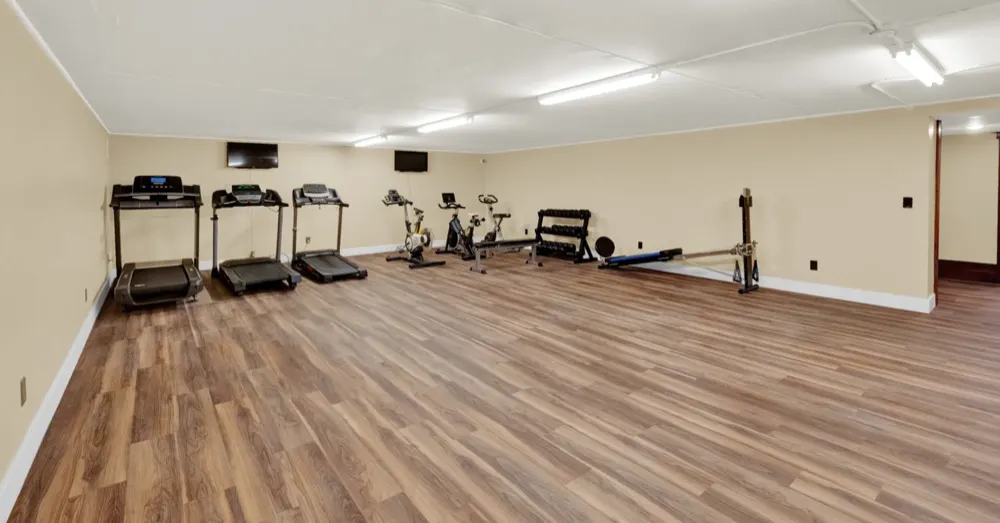
- Holistic nutrition and movementChef-prepared meals, a nutritionist, and gym time most days.
Advanced treatments for enrolled clients
Ketamine-assisted therapy
Self-pay add-on. Each session is followed by one-on-one therapy with your primary therapist
Genetic (PGx) testing
Guides medication choices
Neurofeedback
When clinically useful
Stellate ganglion block
Optional, may cost extra
Added after clinical screening, as part of your treatment plan, and not offered on their own. Looking for TMS or Spravato? Admissions can point you to providers.
A mood disorder treatment center: depression programs at every level
Most people start in residential when depression has taken over daily life, then step down with the same team.
Residential
24-hour care for mood disorders, with therapies such as CBT, DBT and ketamine-assisted therapy for enrolled clients. Learn about our residential mental health treatment.
PHP
Intensive therapy by day, home in the evening, as you re-engage with your community and prepare for work or school. Learn about our partial hospitalization program.
IOP
Part-day care around work or school, with CBT, DBT and other evidence-based therapies tailored to you. Learn about our intensive outpatient program.
Depression strains relationships, so loved ones can be part of healing through virtual family support and family sessions in your plan. Here’s how to help a loved one get treatment.
Life in treatment
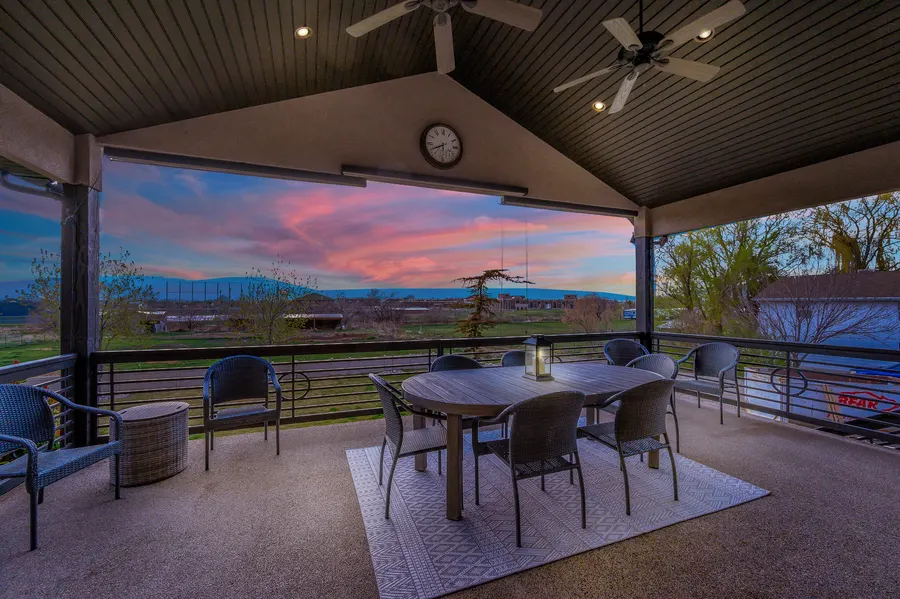
Depression drains energy, so the day is built to restore it: structure, food, movement, sleep and people.
- A daily structure that gets you up and moving again, gently
- Chef-prepared meals planned around holistic nutrition
- Gym time most days, hikes and time outdoors
- Steady sleep routines, with help for insomnia and nightmares
- Peers who understand, so you’re not carrying it alone
Thank you, we have your details
Admissions will call you to go over your coverage, usually the same business day. If it’s urgent, call (801) 383-0810.
Paying for depression treatment
We work with most PPO plans that include out-of-network benefits, and with self-pay. Our admissions team checks your mental health insurance benefits for free before you start.
PPO plans with out-of-network benefitsUsually covered
Self-payPayment options
Single case agreementsAsk admissions
Read about cost and payment options, including ketamine as a self-pay add-on.
Thank you, we have your details
Admissions will call you to go over your coverage, usually the same business day. If it’s urgent, call (801) 383-0810.















In our clients’ words
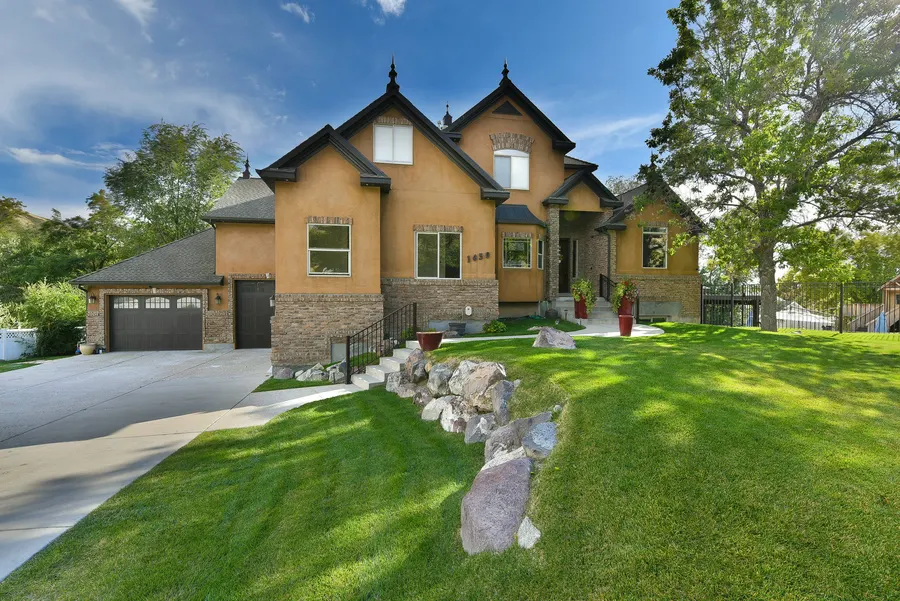
Three mental health facilities in Draper, Utah
Clients come to us from across Utah and the country. Admissions helps you plan your arrival.
Questions about depression treatment
Have another question? Our admissions team takes calls at any hour; after hours, we call you back from 9 a.m. MT.
Call (801) 383-0810When is depression serious enough for residential treatment?
When it keeps you from working, caring for yourself or keeping relationships, when outpatient care hasn’t helped, or after a hospital stay. If you’re thinking about suicide, call or text 988 now, and see our treatment for suicidal thoughts.
What if medication hasn’t worked?
Your team reviews your history and medications, can use genetic testing to guide choices, and adds therapy and other treatments. Read about treatment-resistant depression options.
I’ve tried treatment before and it didn’t work. Can you help?
Yes, this program is built for depression that weekly therapy hasn’t eased. Care here is different in a few ways: residential care brings therapy, groups and support into every day, trauma therapy looks at what may sit underneath the depression, a psychiatric provider sees you every week, and genetic (PGx) testing helps guide a review of your medications. Admissions can talk through what you’ve tried and whether we’re a good fit.
Do you offer ketamine for depression?
Yes. Ketamine-assisted therapy is available to enrolled clients after clinical screening, as a self-pay add-on. Learn about ketamine-assisted therapy.
Do you offer TMS or Spravato?
Corner Canyon doesn’t offer TMS or Spravato. Our advanced options are ketamine-assisted therapy, genetic testing, neurofeedback and stellate ganglion block, and admissions can suggest TMS or Spravato providers if those fit you better.
Is depression treated differently from bipolar disorder?
Yes. Your team screens for bipolar disorder because treatment differs. See our bipolar disorder treatment.
How long does depression treatment take?
Length of stay is set by your clinical team and reviewed with you every week. Residential care is often followed by PHP or IOP.
What is the treatment for mood disorders?
Mood disorders are treated with professional mental health care. That can include medication such as mood stabilizers or antidepressants, cognitive behavioral therapy, group therapy and family involvement, often in combination.
Talk to someone today
If you’re thinking about suicide, call or text 988 now. When you’re ready for treatment, our admissions team takes calls at any hour; after hours, we call you back from 9 a.m. MT.