





Suicidal Ideation Treatment in Draper, Utah
If you’re having thoughts of ending your life that keep coming back, or you’re leaving a hospital after a crisis, you don’t have to face what comes next alone. Residential and day treatment in Draper, Utah, gives you safety, structure and care for what’s behind the thoughts.
Clinically reviewed by Eric Johansen, LCSW, Assistant Clinical Director
- Voluntary home setting
- Full assessment at intake
- Draper, Utah
Call (801) 383-0810
Prefer to call? (801) 383-0810
Thank you, we have your details
Admissions will call you to go over your coverage, usually the same business day. If it’s urgent, call (801) 383-0810.
How does residential treatment help people struggling with suicidal thoughts?
Suicidal ideation means thoughts of suicide, and they can vary in intensity. Treatment gives you a safe place to steady, and time to treat what’s driving the thoughts. Many people come to us after a psychiatric hospital stay.
Many things can contribute to suicidal thoughts, including:
- Mental illness
- Substance use
- Trauma
- Relationship difficulties
- Financial stress
- Social isolation
First, a hospital or ER if…
- You intend to act on suicidal thoughts, or have a plan
- You can’t keep yourself safe right now
- You need medical care after an attempt
Call 988 or 911, or go to the nearest ER. Once you’re safe and medically stable, Corner Canyon can be your next step.
Then Corner Canyon, if…
- Suicidal thoughts keep coming back, even with outpatient care
- You’re leaving a psychiatric hospital and need more support
- You’ve made an attempt and are medically stable now
- Thoughts come with depression, trauma or anxiety
Recognizing signs of suicidal ideation
Suicidal thoughts can start when a person feels they can no longer cope with an overwhelming situation. If you or a loved one is having suicidal thoughts, reach out for professional help as soon as you can.
Situations that can trigger them
- Being laid off or out of work
- Other financial hardship
- The death of a loved one
- The end of a relationship
- Chronic illness or health conditions
- Physical, sexual or emotional abuse
- Grief
- Rejection
- Remorse
Risk factors for suicidal ideation
The Centers for Disease Control and Prevention (CDC) lists these risk factors:
- A history of mental health issues
- A family history of violence or suicide
- A family history of child abuse, neglect or trauma
- Feelings of hopelessness, seclusion and loneliness
- Knowing someone who died by suicide
- Identifying as LGBTQ+ without family support
- Lack of access to mental health treatment
- Physical illnesses and conditions
- Being bullied
- Legal problems or significant debt
Mental illness and suicide
Research links several conditions to a higher risk of suicidal ideation:
Therapy interventions for suicidal ideation
Therapy for suicidal thoughts can include CBT, trauma-focused DBT, medication and support from loved ones, built around a safety plan from day one.
- Safety planningA personal safety plan made with you at admission: warning signs, coping steps and who to reach. Supervision is closer when you need it.
- Full assessment at intakeA psychiatric and psychological evaluation to understand what’s driving the thoughts.
- DBT for suicidal ideationMindfulness, emotion regulation, distress tolerance and relationship skills. DBT was developed for people at higher risk of suicidal behavior, including people with BPD. Learn about dialectical behavior therapy.
- CBT for suicidal ideationChanging the thought patterns and behaviors behind suicidal thinking, and practicing coping skills for distressing thoughts and emotions.
- Treating what’s underneathCare for the depression, trauma or other conditions behind the thoughts. See our depression treatment and trauma and PTSD treatment.
- Psychiatric careA weekly psychiatric visit. Medications such as antidepressants, mood stabilizers or antipsychotics can help, especially alongside therapy, and are decided with you.
A safe home to keep healing
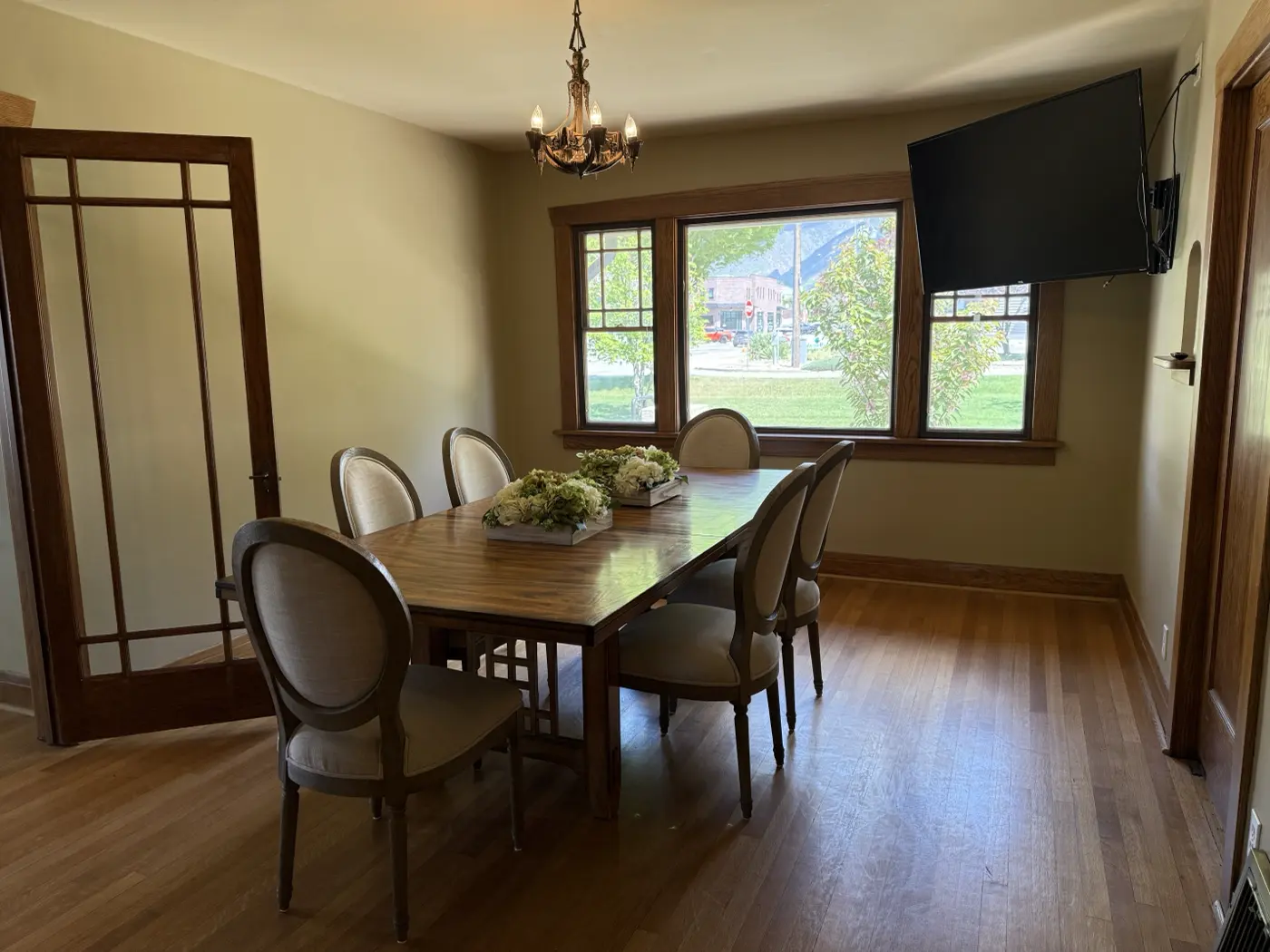
After a crisis, a hospital keeps you safe. Our residential mental health treatment gives you a calm place to keep healing once the crisis has passed.
- Voluntary and unlocked: a home, not a hospital unit
- Program staff on site around the clock, and a clinician on call after hours
- A steady daily structure, with about eight hours of groups and activities
- Peers who understand, so you’re not carrying it alone


Suicide prevention support for loved ones
If you’re worried about someone you love, you can help. Our therapists teach loved ones skills such as active listening, validation, crisis resources and crisis plans. Here’s how to help a loved one get treatment.
- Ask directlyAsk calmly, “Are you thinking about suicide?” Asking doesn’t put the idea in their head.
- ListenLet them talk. Take it seriously, without judging or arguing.
- Stay with themDon’t leave someone alone if you’re worried about their safety.
- Call 988 togetherCall or text 988 together. If they’re in immediate danger, call 911.
Warning signs to take seriously
- Talking about wanting to die or being a burden
- Withdrawing from friends, family and activities
- Giving away belongings or saying goodbye
- Big changes in sleep, mood or substance use
- Sudden calm after a long period of depression
Thoughts of suicide can be passive or active. Our guide to passive vs active suicidal ideation explains the difference. If someone is in immediate danger, call 911.
Suicidal ideation treatment in the Salt Lake Valley
Residential, PHP and IOP in Draper, with the same team as you step down.
Residential
Personalized treatment for adults with mental health conditions, living on site with support around the clock. Learn about our residential mental health treatment.
PHP
Full therapy days, home in the evening, often as a step down from residential. Learn about our partial hospitalization program.
IOP
Group therapy three to five mornings a week while you keep up with daily life. Learn about our intensive outpatient program.
Thank you, we have your details
Admissions will call you to go over your coverage, usually the same business day. If it’s urgent, call (801) 383-0810.
Paying for treatment
We work with most PPO plans that include out-of-network benefits, and with self-pay. Our admissions team checks your mental health insurance benefits for free before you start.
PPO plans with out-of-network benefitsUsually covered
Self-payPayment options
Single case agreementsAsk admissions
Read about cost and payment options.
Thank you, we have your details
Admissions will call you to go over your coverage, usually the same business day. If it’s urgent, call (801) 383-0810.















In our clients’ words
Three mental health facilities in Draper, Utah
Clients come to us from across Utah and the country. Admissions helps you plan your arrival.

Questions about treatment for suicidal thoughts
Have another question? Our admissions team takes calls at any hour; after hours, we call you back from 9 a.m. MT.
Call (801) 383-0810What should I do if I’m thinking about suicide right now?
Call or text 988 to reach the Suicide & Crisis Lifeline, call 911, or go to the nearest emergency room. You don’t have to wait.
Do you accept people with suicidal thoughts?
Yes. Many clients come to Corner Canyon with suicidal thoughts, often alongside depression, anxiety or trauma. People with immediate intent or a plan need hospital care first, and admissions will talk through what’s happening to find the right next step.
Can I come after a psychiatric hospital stay?
Yes. Hospital teams can send records for clinical review, and many clients step down to residential care after a psychiatric hospital stay.
Is Corner Canyon a locked unit?
Corner Canyon is voluntary and unlocked, not a locked unit: a home setting with program staff on site around the clock and a clinician on call after hours. It provides planned treatment, not emergency care.
How do you help with suicidal thoughts?
Through safety planning, DBT and CBT skills, and treatment of the depression, trauma or other conditions behind the thoughts, with psychiatric care. Learn about dialectical behavior therapy.
I’m worried about someone I love. What should I do?
If they’re in immediate danger, call 911. Otherwise, ask them directly and calmly, stay with them, and call 988 together. Admissions can explain treatment options, and here’s how to help a loved one get treatment.
Talk to someone today
If you’re thinking about suicide right now, call or text 988, call 911, or go to the nearest emergency room. When you’re ready for treatment, our admissions team takes calls at any hour; after hours, we call you back from 9 a.m. MT.