



Experiential Therapy in Draper, Utah
Yoga, art, the gym, the pool and time on the trails are part of each week for adults in our programs in Draper, at the base of the Wasatch Mountains, so healing happens through doing as well as talking, alongside the talk therapies we use.
Clinically reviewed by Sara Sorenson, LCMHC, Director of Clinical Development
- For adults 18 and over
- Part of your weekly schedule
- Draper, Utah
Call (801) 383-0810
Prefer to call? (801) 383-0810
Thank you, we have your details
Admissions will call you to go over your coverage, usually the same business day. If it’s urgent, call (801) 383-0810.
What is experiential therapy, and how does it support emotional healing?
Experiential therapy covers therapies and techniques that ask you to do something: art therapy, working therapeutically with horses, role-play, family sculpting, exposure therapy, movement or using props. Staff guide the activity, and the learning comes from what happens while you do it. Compare art therapy and EMDR for trauma.
Activities can bring underlying issues to the surface, such as repressed emotions, unresolved trauma, unhealthy relationship patterns or problem-solving that gets stuck. These can be hard to find in talk therapy alone. Here you can improve your awareness, gain problem-solving skills and practice new behaviors in a safe, compassionate setting.
This matters for trauma. Research on the brain shows that when people recall traumatic events, the parts of the brain that handle language can go partly “offline”, leaving them without words. Art and other experiential work give those feelings another way out.
How learning by doing works
- DoAn activity: a hike, a pose, a painting, a team task.
- NoticeWhat comes up in your body, feelings and reactions.
- ReflectMake sense of it with staff and your group.
- PracticeTry a new response, then take it back into therapy.
Insights from an activity go back to your therapist, so it connects to your treatment goals.
Why choose experiential therapy at Corner Canyon
Most of our clients spend weekday daytimes in therapy. What happens around it, in the gym, the studio and outdoors, is planned with the same care.
Experiential therapy
Yoga, art, the gym, the pool, biking, hikes and equine therapy are part of your week, not extras.
A home, not a hospital
Voluntary, unlocked houses in Draper, with movement, creativity and time outside in daily life.
Trauma and dissociation specialists
We specialize in trauma, and body-based work such as yoga supports our trauma and PTSD treatment.
Mind and body together
Activity sits alongside holistic nutrition for mental health and good sleep.
Your comfort sets the pace
Activities are matched to your health and comfort. No one has to exercise.
For adults 18 and over
Adult programs only, with many young adults in their twenties.
Yoga and movement for mental health
Trauma, anxiety and depression live in the body as well as the mind. Yoga, meditation and breathwork help you notice tension, calm your breathing and feel safer in your own body.
Sessions are gentle and go at your pace, with no experience needed. They support the body-based side of our trauma work, and give you tools you can keep using after treatment.
- Yoga at your own pace
- Mindful meditation
- Breathwork
- Sound baths
Art and creative therapy
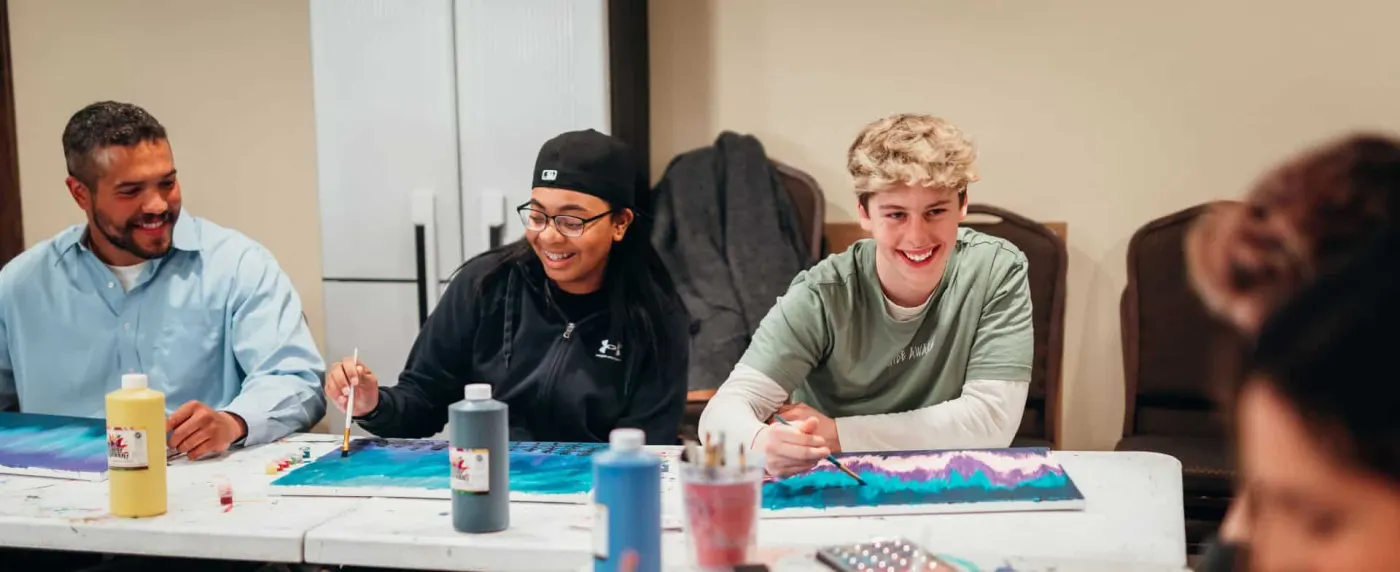
Clients who have experienced trauma often find art and experiential therapy a way to express feelings that are hard to say out loud.
In art therapy and sand tray groups, you work with paint, images and objects, then talk about what you made with your therapist and group. You don’t need any artistic skill.
- Art therapy
- Sand tray groups
- No artistic skill needed
- Links to your trauma work
What types of experiential activities are used in treatment?
“Clients who have experienced trauma are excellent candidates for art and experiential therapy because they can provide a means for expressing the inexpressible feelings that are often shut down or pushed away from consciousness in response to traumatic events. […] Through brain imagery, we now know that the cognitive and executive functioning of the brain is for the most part ‘offline’ when people are recalling their traumas, rendering them essentially ‘speechless.’ This helps explain why traditional verbal therapy is often not enough when working with trauma.”
Music therapy
Music therapy is the clinical use of music, by a credentialed therapist, to reach individual goals such as reducing stress, improving mood and self-expression. It may include listening, singing, playing instruments or composing, and no musical skill is needed. Research has looked at it for depression, autism, anxiety and other conditions, and at effects on stress, coping and self-esteem.
At Corner Canyon, creative work happens through art therapy and sand tray groups, with yoga, breathwork and sound baths. Admissions can suggest music therapy options elsewhere.
Recreational therapy in Utah: how does it aid mental health recovery?
Recreational therapy, also called therapeutic recreation, is a systematic process that uses recreation and activity-based interventions to meet the needs of people with mental health struggles. It complements the rest of treatment.
Through hiking, swimming, the gym and team-building activities, clients learn new ways of experiencing and working with their emotions. They practice mindfulness and communication, work with others toward a shared goal, and build self-esteem through accomplishment.
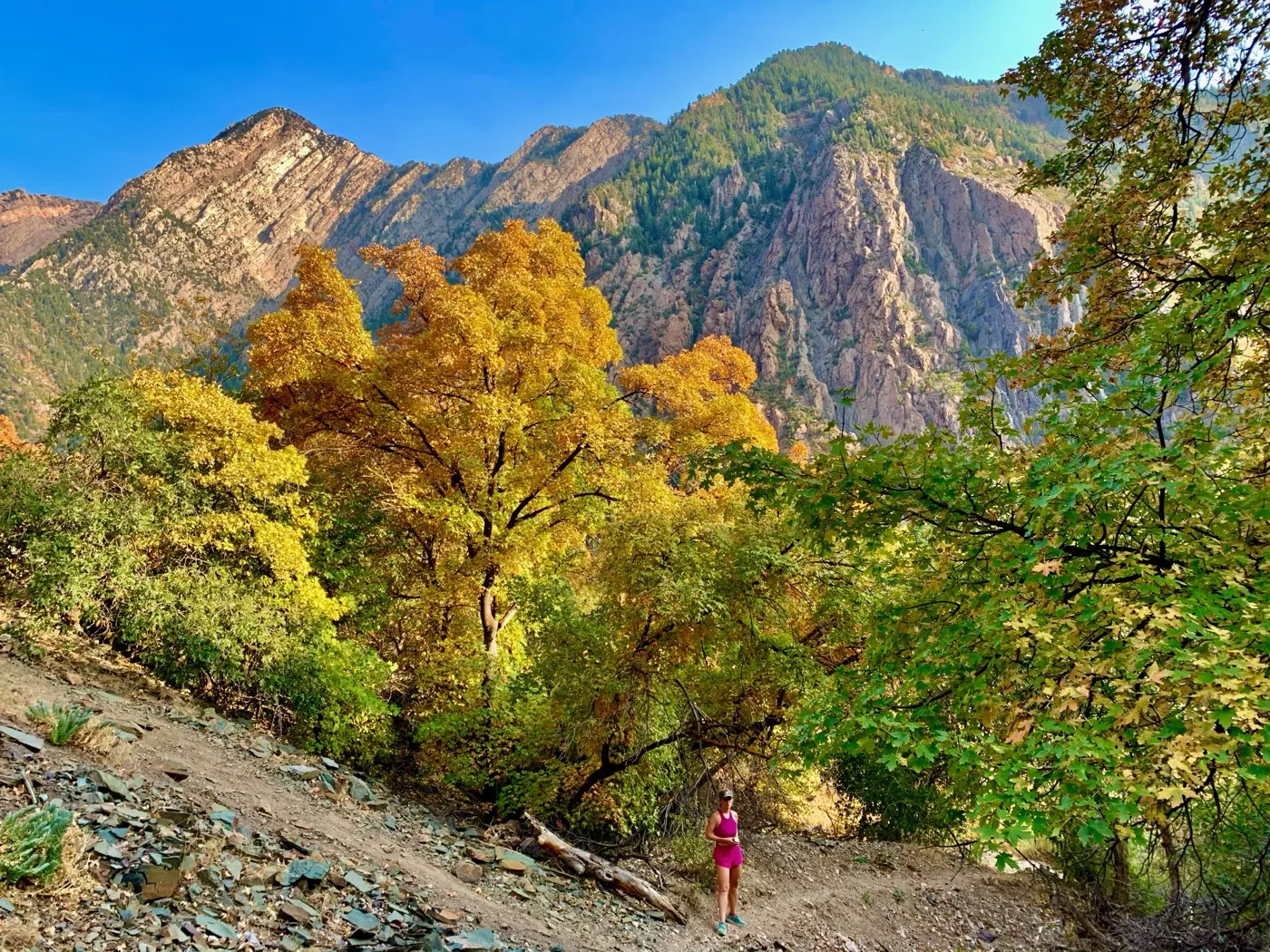
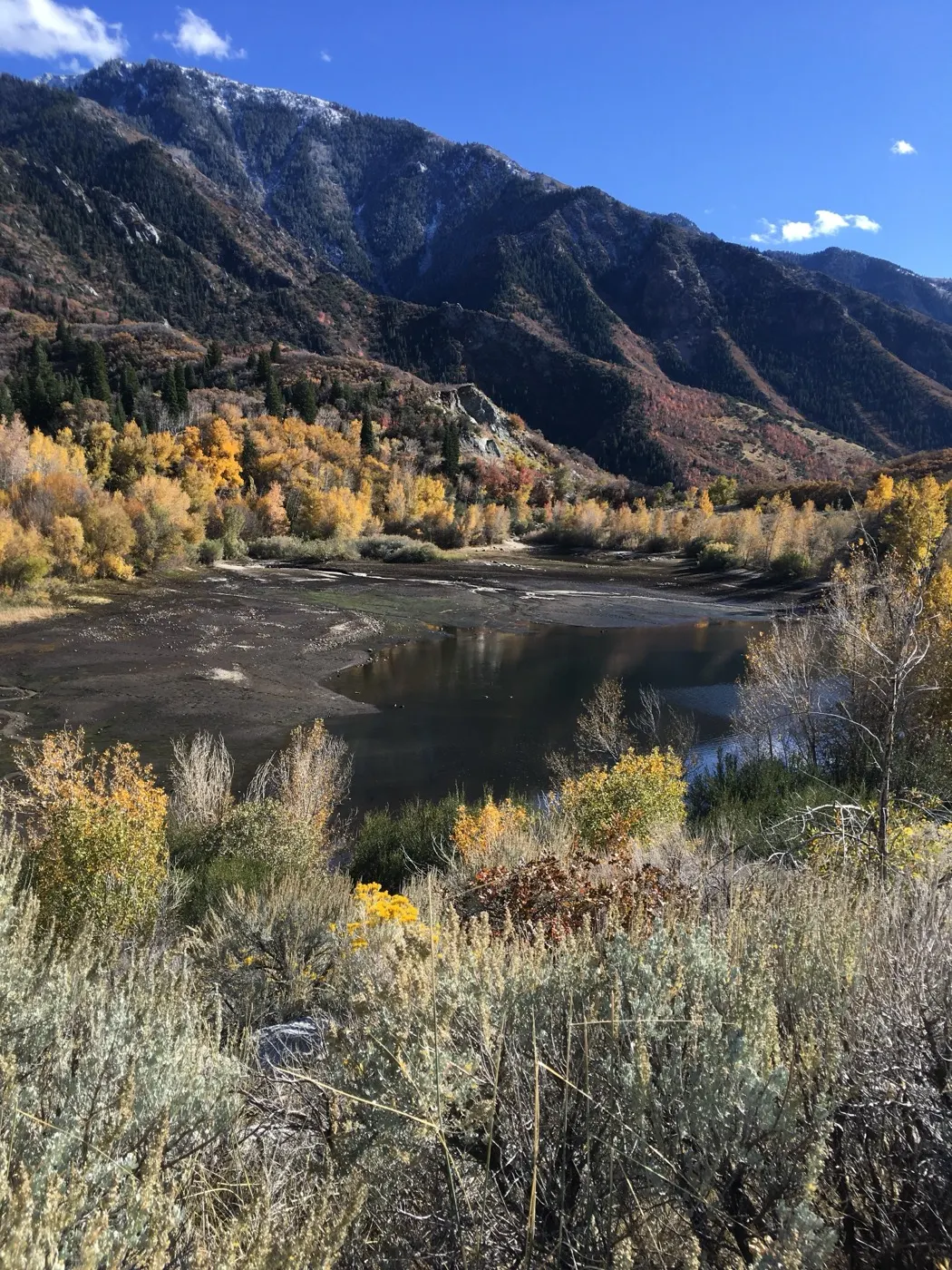
Recreational therapy looks different from person to person. Some people prefer quiet time on a trail; others enjoy the company. Either can lift you out of an anxious or negative frame of mind, and alongside talk therapy, it helps what you learn stick. Draper sits at the base of the Wasatch Mountains, so the trails start close to home.
Most daysOff site The gym
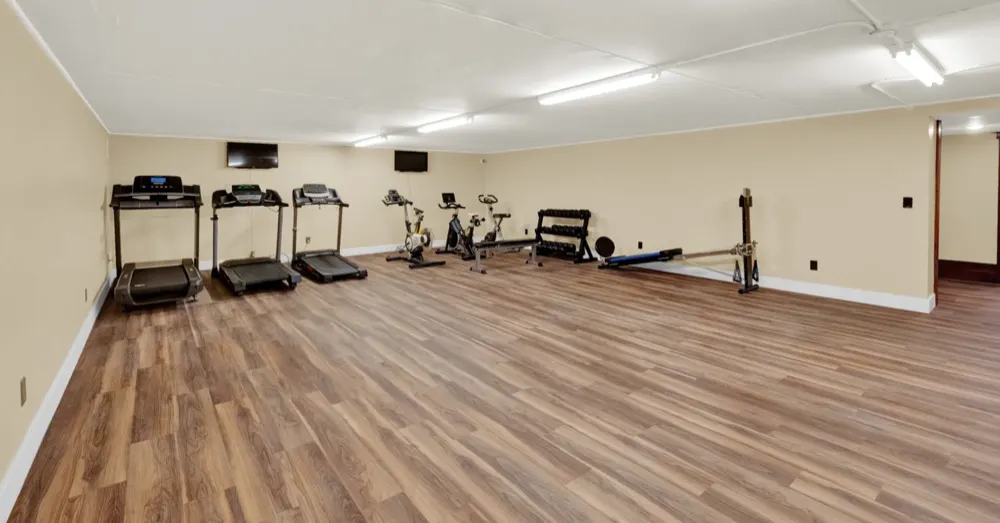
A local gym with a pool, hot tub and sauna. Work out, swim or simply sit and read.
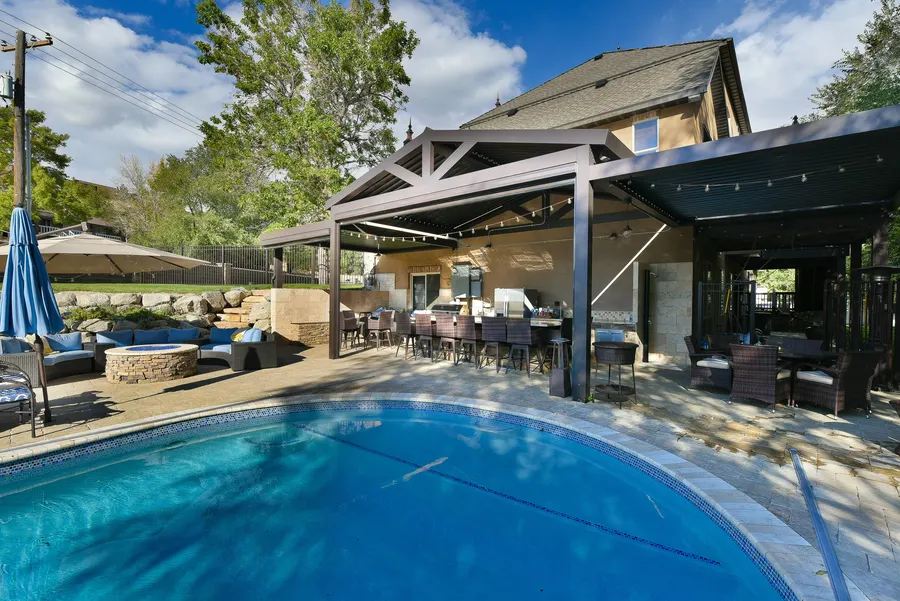
EveningsAt the house The pool
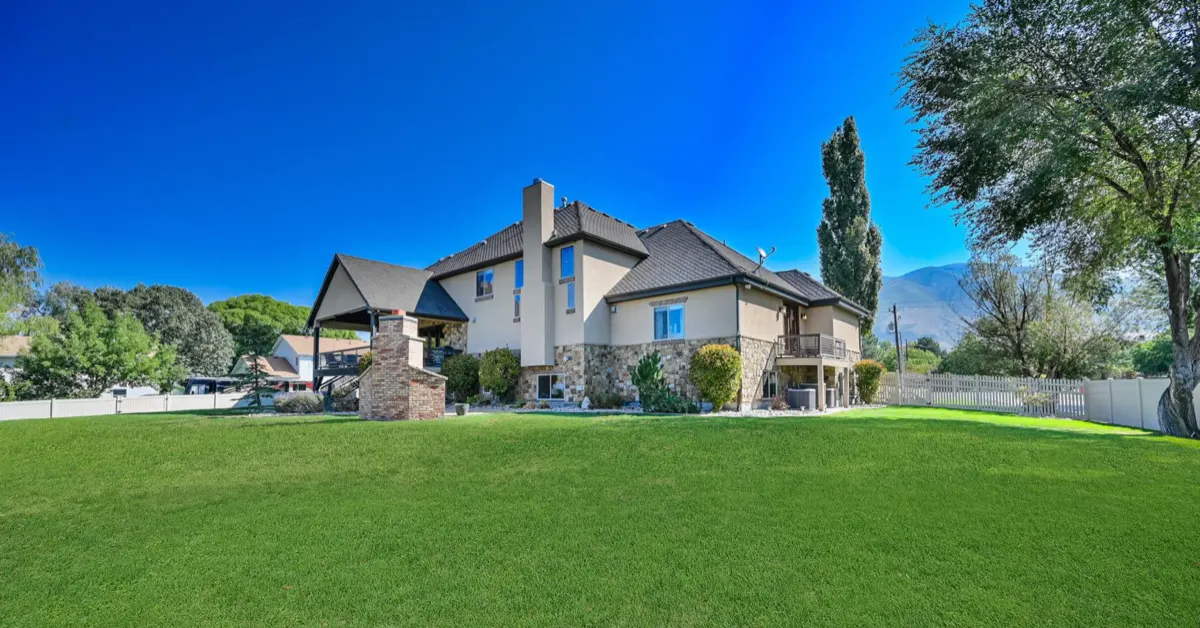
An outdoor saltwater pool at our Pioneer Road residential house, where clients unwind after the day.
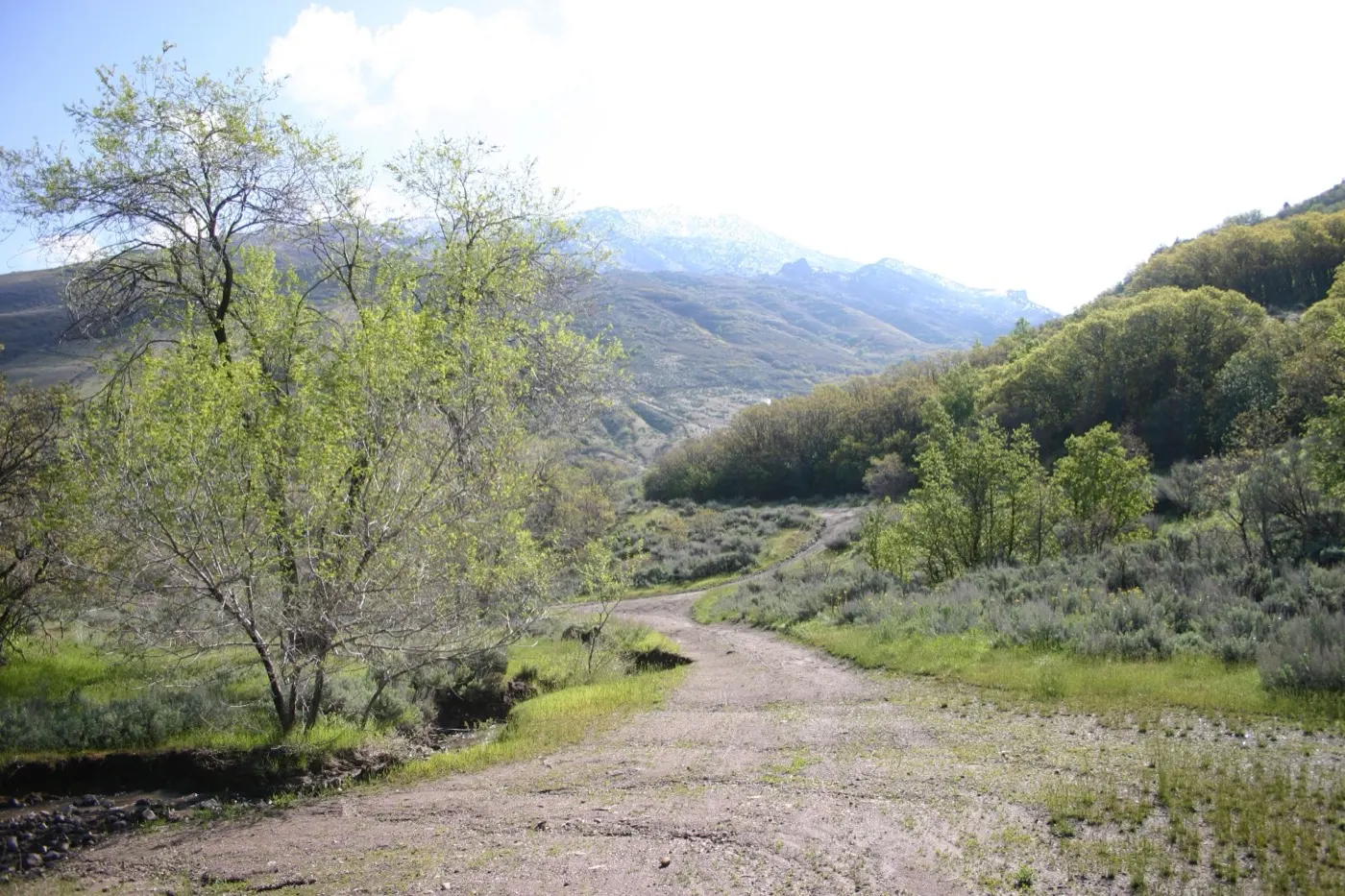
WeeklyWhen you’re ready Bikes and trails
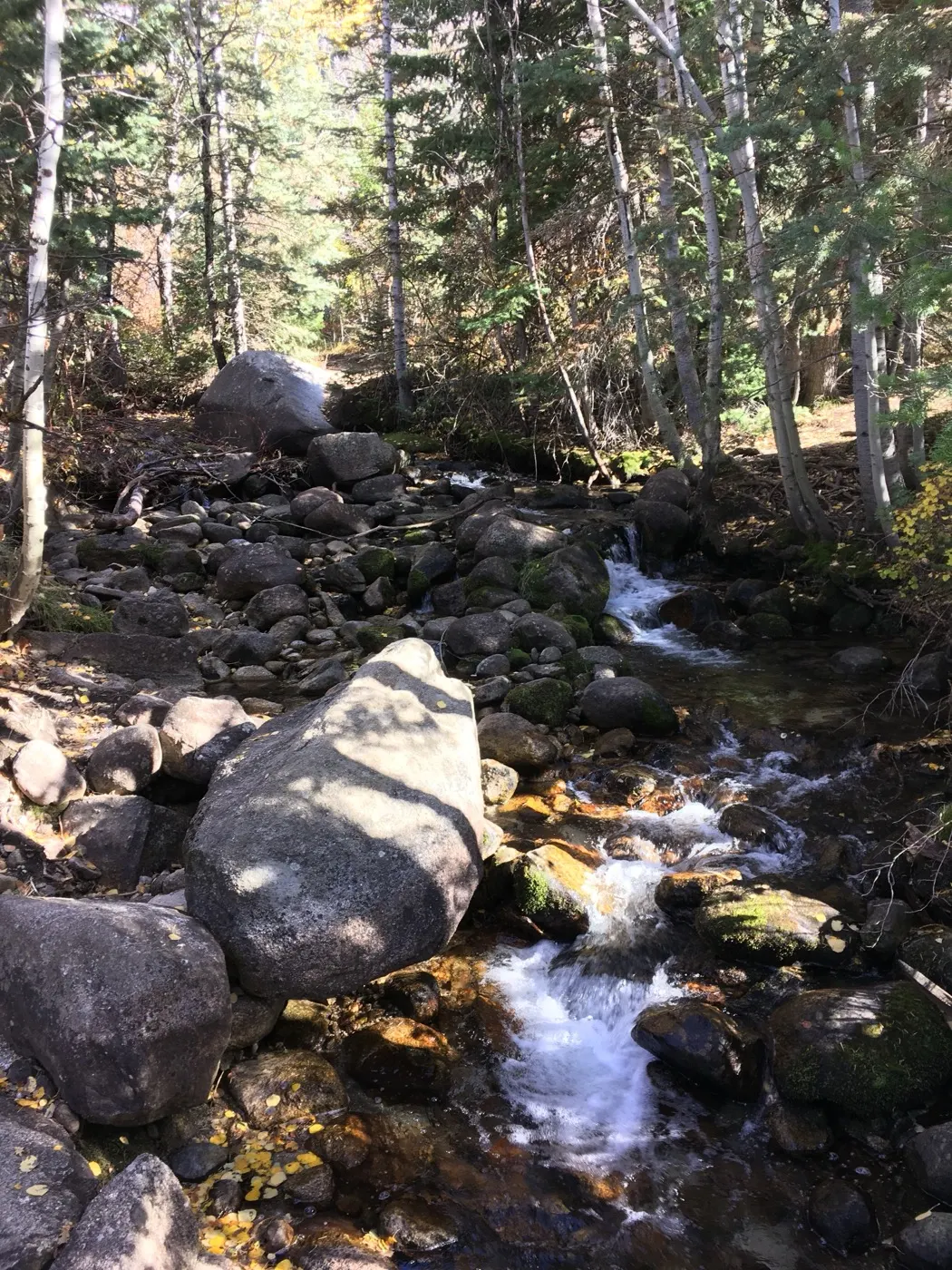
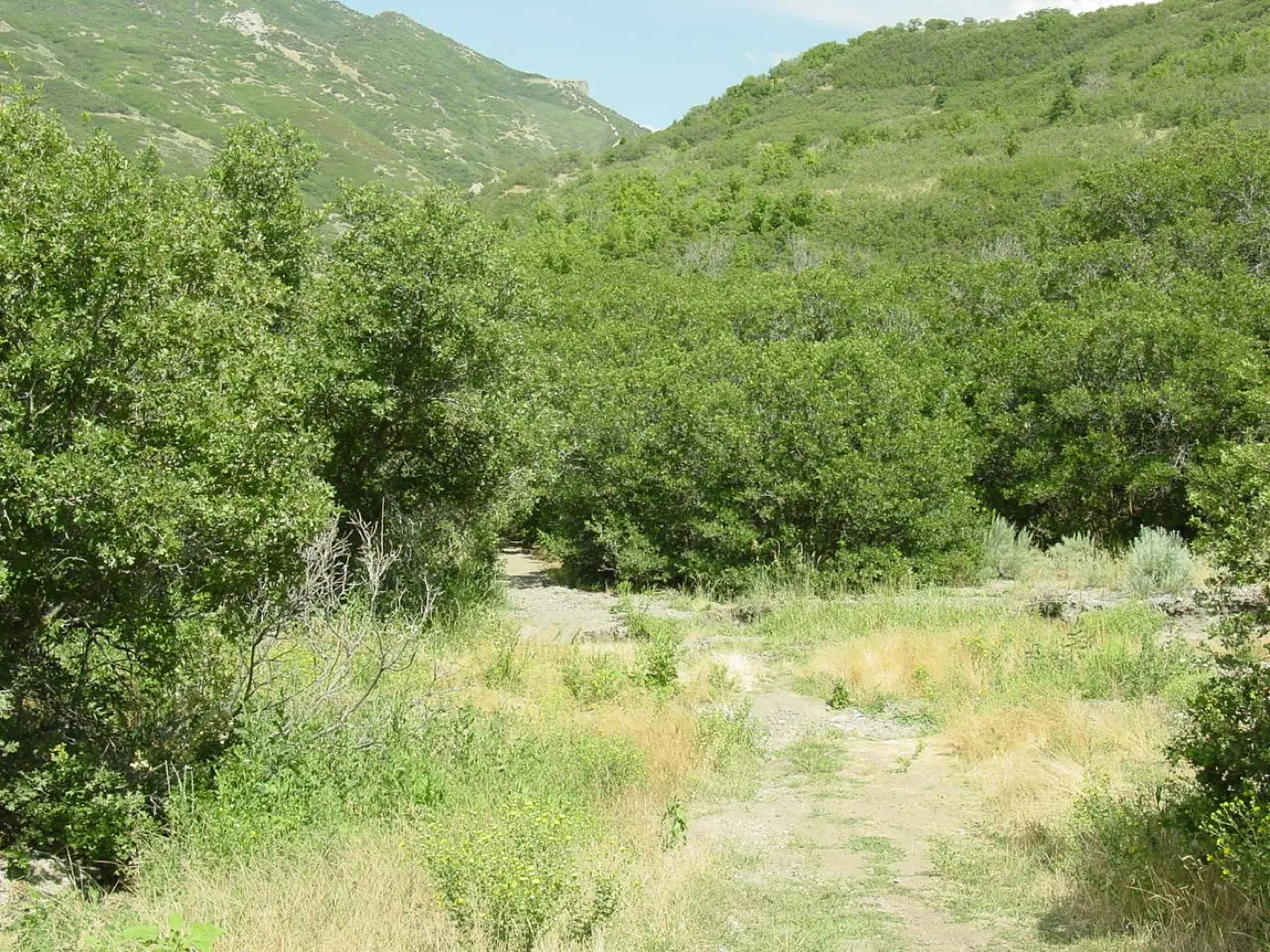
A therapist takes clients mountain biking on local trails, and staff lead hikes in the foothills.
What recreational therapy activities does Corner Canyon offer?
- Hiking
- Swimming
- The gym
- Team building
- Yoga
- Art therapy
- Mountain biking
- Massage (self-pay)
Recreational therapy can also include
Across Utah, therapeutic recreation programs use activities like these. Outings here depend on the season, the group and the clinical team, so ask admissions what’s running.
- Skiing, snowboarding or snowshoeing in winter (Sundance is a short drive away)
- Paddle boarding
- River rafting
- Fly fishing
- Bowling
- Escape rooms
- Ropes courses
- Rock climbing
- Sober softball
- Service projects
- Exploring Utah’s mountains, rivers and deserts
Our recreational therapy activities
Adventure therapy
Nature, community and exercise combined, to support physical, social, spiritual and psychological well-being alongside evidence-based treatment.
Meditation therapy
Guided meditation and mindfulness that help you slow down, notice your thoughts and calm the nervous system.
Somatic breathwork
Breathing practices that work through the body, to release tension and feel safer in your own skin.
What are the benefits of recreational therapy?
Recreational therapy gives each person a way to grow through new experiences, communicate differently and be more present in the world around them.
- Less isolationActivities bring people together and help prevent social isolation.
- Social skillsDevelop and keep social and communication skills, and ease social anxiety.
- Body imageA kinder relationship with your body, through what it can do.
- Better restMovement and time outside can support sleep.
- FocusAttention and mental alertness, practiced in real time.
- Self-esteemBuilding competence in an activity and finishing something hard.
- Cooperation and life satisfactionWorking with others toward a goal, and finding more enjoyment in everyday life.
- A change of mindsetTime with others or in nature can lift you out of an anxious or negative frame of mind and release endorphins.
Research on therapeutic recreation has also looked at
- Pain, blood pressure and tension
- Sleep disturbances
- The immune system
- Motor skills and mobility
A sample week in residential
Weekday daytimes are mostly group and individual therapy. Activity fits around them, and weekends slow down. Your own week depends on your plan and the group. Read more about what to expect.
- Therapy and groups
- Movement
- Creative and mind-body
- Outdoors and equine
- Meals
- Rest and connection
MonTueWedThuFriSatSun
Morning9–12Therapy groupsTherapy groupsEquine therapyTherapy groupsTherapy groupsHike or outingSlow morning
Midday12–1Lunch from our kitchen, cooked on site every day
Afternoon1–4GymGymGymGymGymGym, if you likeVisits, from week two
Late afternoon4–6YogaArt therapyTherapy groupsBreathwork or sound bathBike rideFree timeFree time
EveningAfter dinnerThe pool, phone calls and downtime at the house
- MorningTherapy groups
- MiddayLunch from our kitchen
- AfternoonGym
- Late afternoonYoga
- EveningPool and downtime
- MorningTherapy groups
- MiddayLunch from our kitchen
- AfternoonGym
- Late afternoonArt therapy
- EveningPool and downtime
- MorningEquine therapy
- MiddayLunch from our kitchen
- AfternoonGym
- Late afternoonTherapy groups
- EveningPool and downtime
- MorningTherapy groups
- MiddayLunch from our kitchen
- AfternoonGym
- Late afternoonBreathwork or sound bath
- EveningPool and downtime
- MorningTherapy groups
- MiddayLunch from our kitchen
- AfternoonGym
- Late afternoonBike ride
- EveningPool and downtime
- MorningHike or outing
- MiddayLunch from our kitchen
- AfternoonGym, if you like
- Late afternoonFree time
- EveningPool and downtime
- MorningSlow morning
- MiddayLunch from our kitchen
- AfternoonVisits, from week two
- Late afternoonFree time
- EveningPool and downtime
An example only. Equine therapy is on Wednesday mornings and the gym is every weekday afternoon; individual therapy twice a week and a weekly psychiatric visit fit around groups, and other activities move with the clinical schedule.
Adventure therapy in Utah
Adventure therapy at Corner Canyon uses structured outdoor and experiential activities to help adults process trauma, build resilience and reconnect with themselves in ways talk therapy alone can’t always reach. In Draper, that means real trails and real challenges, with clinical support.
What is adventure therapy?
Adventure therapy is a clinically supervised approach that uses structured outdoor and physically engaging experiences to support psychological growth. Unlike talk therapy in an office, it works through the whole person: body, mind and nervous system. It places you in situations that ask you to respond, adapt and connect with others.
Outdoor, physically engaging settings make the patterns behind anxiety, trauma responses and relationship struggles visible in real time, with a trained clinician there to help you work through them as they happen. It might be a guided hike in the foothills of the Wasatch Mountains or a team-based challenge course. The activity matters less than what it asks of you.
Adventure therapy supports
- Emotional regulationManaging discomfort, frustration and fear as they arise, not just in theory.
- Trust and connectionBuilding connection with others through a shared physical challenge that talk alone doesn’t always reach.
- ConfidenceRewiring the belief that discomfort means failure by completing something difficult firsthand.
- Trauma processingReaching, through somatic and body-based experience, what verbal processing sometimes can’t.
- Self-awarenessReal-time feedback from the environment and the group makes familiar patterns harder to hide.
Adventure therapy at Corner Canyon Health Centers
Adventure therapy is built into your clinical treatment plan, not offered as an extra. It works alongside Eye Movement Desensitization and Reprocessing (EMDR), Cognitive Behavioral Therapy (CBT), Dialectical Behavior Therapy (DBT) and Internal Family Systems (IFS) therapy. We’re not a wilderness program.
Trail and mountain-based experiences
Draper sits at the base of the Wasatch Mountains, and clients use that setting in treatment. Guided hikes are led by clinical staff, so the challenge of the trail ties back to your emotional and behavioral goals before, during and after each outing.
Group challenge and team-based activities
Structured team-building exercises ask you to communicate, collaborate and rely on each other. These dynamics mirror the ones you face at home, at work and in your community.
Who is adventure therapy good for?
We offer residential treatment, a partial hospitalization program and an intensive outpatient program. Adventure therapy tends to suit adults who:
- Struggle to access emotion or vulnerability in traditional talk therapy
- Carry trauma that shows up in the body as numbness, hypervigilance or difficulty relaxing
- Have tried treatment before without feeling fully engaged
- Are motivated by physical challenge and structure but haven’t applied that drive to their own recovery
- Want to rebuild trust and connection alongside others working through similar struggles
Equine therapy
Once a week, clients work with horses on the ground alongside a therapist, noticing how the horse responds to them. Read about equine therapy in Utah.
Experiential therapy at each level of care
The most activity happens in residential treatment, where you live at the house. As you step down, the focus moves to clinical groups.
- Recreational therapy and outings
- Gym most days, the pool, bikes and hikes
- Equine therapy once a week
- Yoga, breathwork and art therapy
- Equine therapy once a week
- Meditation in group
- Monday to Friday, about 9:30 to 3
- Home in the evening
- Clinical groups in the morning
- Three or five days a week
- In person, 9:30 to 12:30
- Skills you can practice at home
Massage is available as an optional, self-pay add-on.
Thank you, we have your details
Admissions will call you to go over your coverage, usually the same business day. If it’s urgent, call (801) 383-0810.
Cost and insurance
Experiential and recreational therapy are part of your program, so they’re covered when your program is. We work with most PPO plans that include out-of-network benefits, and our team will verify your insurance for free.
PPO plans with out-of-network benefitsUsually covered
Self-payPayment options
Single case agreementsAsk admissions
Optional services such as massage are self-pay. Read about the cost of treatment.
Thank you, we have your details
Admissions will call you to go over your coverage, usually the same business day. If it’s urgent, call (801) 383-0810.















In our clients’ words
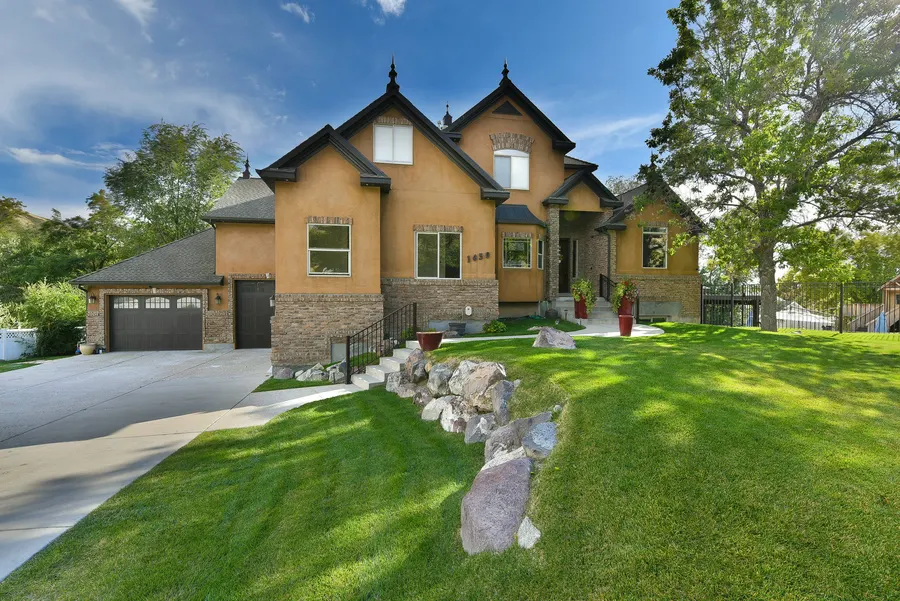
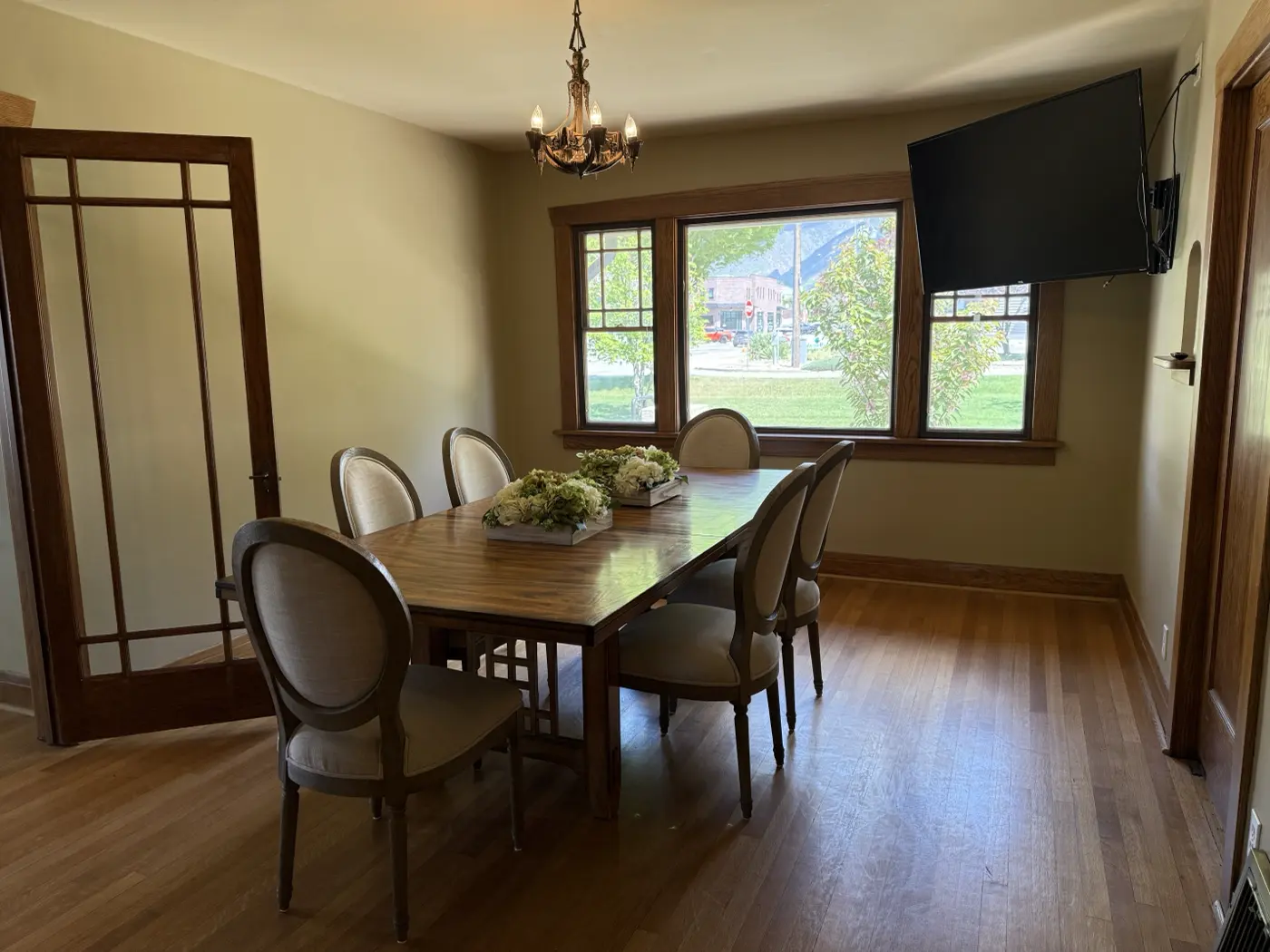
Three mental health facilities in Draper, Utah
Clients come to us from across Utah and the country. Admissions helps you plan your arrival.
Questions about experiential therapy
Have another question? Our admissions team takes calls at any hour; after hours, we call you back from 9 a.m. MT.
Call (801) 383-0810Is experiential therapy part of every program?
Recreational therapy, outings and the gym are part of residential treatment. PHP includes equine therapy once a week. IOP focuses on clinical groups.
Do I have to take part in physical activities?
No one has to exercise. Activities are matched to your health and comfort: at the gym you can swim, use the hot tub or sauna, or just sit and read.
Do you offer music therapy?
Creative work here happens mainly through art therapy and sand tray groups, alongside yoga, breathwork and sound baths. Admissions can tell you what’s running when you arrive.
Do you run wilderness or adventure programs?
We’re not a wilderness program. Occasional outings, such as hikes in the Wasatch foothills, are part of residential care for adults, led by our staff.
What is adventure therapy, and how does it differ from traditional therapy?
Adventure therapy is a clinically supervised approach that uses structured outdoor and physically engaging activities to support emotional and psychological growth. Unlike traditional talk therapy, it engages the body and the surrounding environment as part of treatment. At Corner Canyon it’s part of each client’s full clinical program, not a standalone activity.
Is adventure therapy evidence-based?
The research is growing. A 2025 meta-analysis of 12 studies with more than 2,000 participants reported that adventure therapy reduced symptoms of anxiety-related disorders, though the studies varied. Here it supports, rather than replaces, therapies such as EMDR, CBT, DBT and IFS.
Is adventure therapy covered by insurance?
It’s part of your residential program, which may be covered by insurance. Our team will verify your insurance for free.
Is massage available?
Yes, as an optional service. Massage is a self-pay add-on, and admissions explains the cost before you choose it.
Talk to someone today
Want to know what a week would look like for you? Our admissions team takes calls at any hour; after hours, we call you back from 9 a.m. MT.