




OCD Treatment in Draper, Utah
OCD treatment for adults in Draper, Utah, within residential, PHP and IOP care, especially when OCD comes with anxiety, depression or trauma. Intrusive thoughts aren’t a reflection of who you are, and you don’t have to manage them alone.
Clinically reviewed by Sara Sorenson, LCMHC, Director of Clinical Development
- With anxiety, depression or trauma
- Residential, PHP and IOP
- Draper, Utah
Call (801) 383-0810
Prefer to call? (801) 383-0810
Thank you, we have your details
Admissions will call you to go over your coverage, usually the same business day. If it’s urgent, call (801) 383-0810.
Understanding obsessive-compulsive disorder (OCD)
OCD is a serious mental health condition that can cause extreme anxiety, strain relationships and affect daily functioning. It’s marked by obsessions and compulsions that feed each other.
- ObsessionAn intrusive thought, image or urge
- AnxietyDistress, doubt or a sense that something is wrong
- CompulsionA ritual or mental act to ease the distress
- Brief reliefIt fades for a while, and the cycle starts again
Obsessions
Rigid thinking, intrusive thoughts, ongoing anxiety and irrational fears. Common ones involve germs, dirt, change or religious fears.
Compulsions
Behaviors people with OCD feel they must complete to reduce obsessions, such as cleaning, counting or following a rigid routine.
What OCD can look like
Intrusive thoughts
Unwanted thoughts or images that feel upsetting and out of character. Having them doesn’t mean you want them.
Compulsions
Checking, cleaning, counting, arranging or repeating until it feels “right”.
Rumination
Going over the same question again and again, looking for certainty. Read about rumination OCD.
Scrupulosity
Persistent fear of having done something morally or religiously wrong, with reassurance seeking or confessing.
Wondering whether it’s OCD? Read about the signs of OCD and when to seek help.
OCD therapy in Utah: how we treat OCD
OCD care at Corner Canyon happens inside a whole-person, trauma-focused program, with a full assessment at intake and therapies chosen for you.
- Cognitive behavioral therapyChanges the thought patterns and behaviors that keep the OCD cycle going. Learn about cognitive behavioral therapy.
- Acceptance and commitment therapy (ACT)Learning to let intrusive thoughts come and go without acting on them, and to move toward what matters to you.
- DBT skillsTools for distress, strong emotions and urges. Learn about DBT skills training.
- Trauma therapiesEMDR, IFS and ART when OCD comes with trauma or PTSD, treated together.
- Medication managementA weekly psychiatric visit, including medications commonly used for OCD such as SSRIs, decided with you.
- Ketamine-assisted therapyAvailable to enrolled clients after clinical screening, as a self-pay add-on.
Looking for intensive exposure and response prevention (ERP)? It isn’t a core part of our program, and admissions can point you to OCD-specialty programs.
Comprehensive OCD treatment
Residential, PHP and IOP, with the same team as you step down.
Residential
24-hour care for adults who struggle with obsessive-compulsive disorder, with therapies such as CBT, DBT, family involvement and ketamine-assisted therapy. Learn about our residential mental health treatment.
PHP
Intensive therapy by day, home in the evening, as you re-engage with your community and prepare for work or school. Learn about our partial hospitalization program.
IOP
Flexible care so you can keep up with work or school, with evidence-based therapies such as CBT tailored to you. Learn about our intensive outpatient program.
OCD can strain relationships. Our family program helps build a support system to manage symptoms and stay steady, with loved ones part of healing. Here’s how to help a loved one get treatment.
OCD, anxiety and other conditions
OCD often comes with something else. Your plan treats them together, with one team.
Anxiety
OCD and anxiety often come together. See our anxiety treatment.
Depression
Living with OCD can wear you down. Learn about our depression treatment.
Trauma
When OCD comes with trauma or PTSD, both are treated together. See our trauma and PTSD treatment.
ADHD
OCD and ADHD can look alike and can occur together. Read OCD vs ADHD.
Is our program the right fit?
We’d rather you land in the right place. Admissions talks through your symptoms on the first call, and points you elsewhere when another program fits better.
Corner Canyon fits when…
- OCD comes alongside anxiety, depression or trauma
- Daily life, work or relationships are breaking down
- You need structure, distance and a full assessment
- You want CBT, ACT and DBT skills inside a whole-person program
Learn about our residential mental health treatment.
An OCD-specialty program may fit better when…
- OCD is your main concern and you want intensive, daily ERP
- You’re looking for an OCD-only residential or day program
Admissions can point you to programs built around ERP.
Thank you, we have your details
Admissions will call you to go over your coverage, usually the same business day. If it’s urgent, call (801) 383-0810.
Paying for OCD treatment
We work with most PPO plans that include out-of-network benefits, and with self-pay. Our admissions team checks your mental health insurance benefits for free before you start.
PPO plans with out-of-network benefitsUsually covered
Self-payPayment options
Single case agreementsAsk admissions
Read about cost and payment options, including ketamine as a self-pay add-on.
Thank you, we have your details
Admissions will call you to go over your coverage, usually the same business day. If it’s urgent, call (801) 383-0810.















In our clients’ words
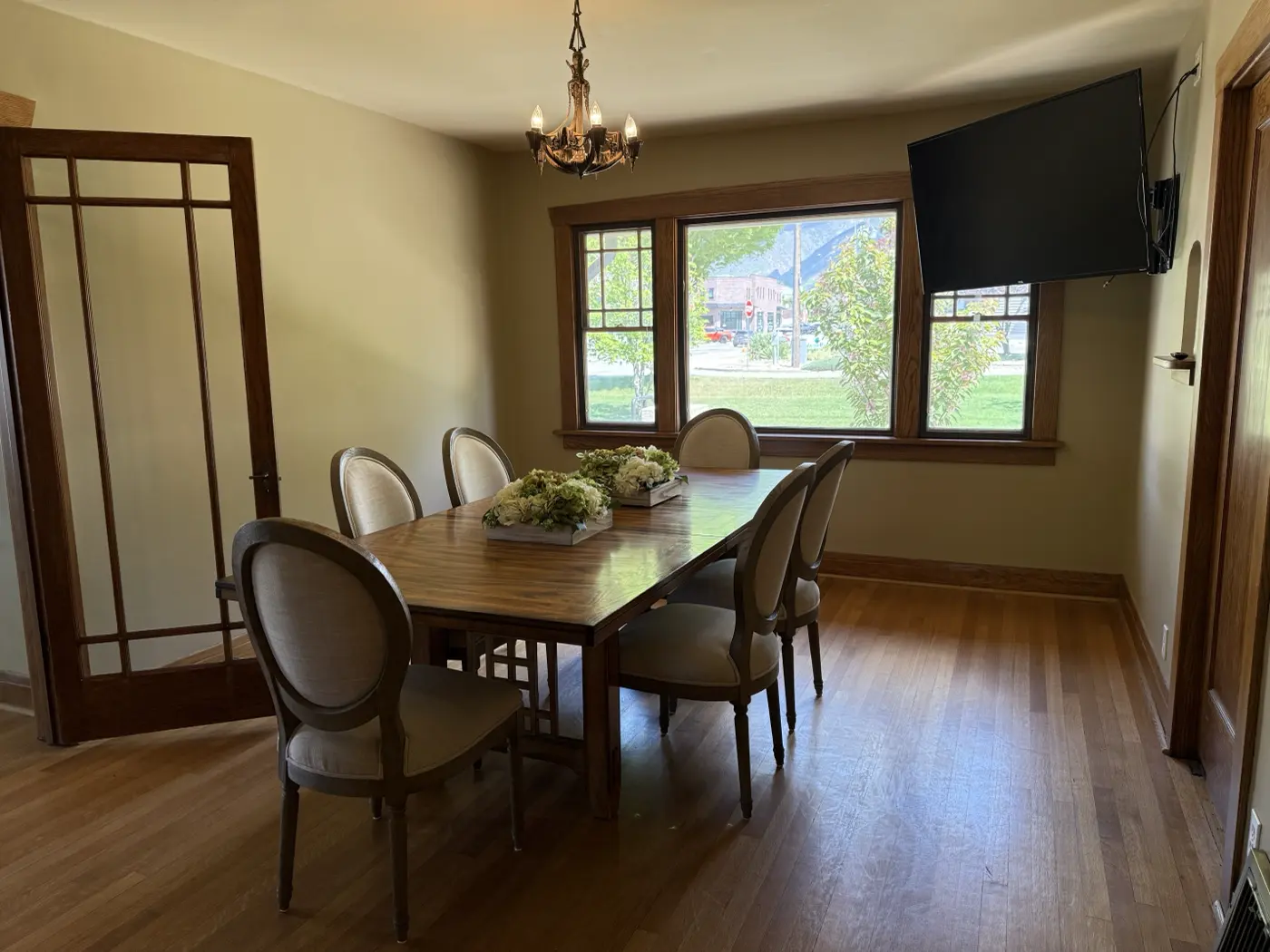
Three mental health facilities in Draper, Utah
Clients come to us from across Utah and the country. Admissions helps you plan your arrival.

Questions about OCD treatment
Have another question? Our admissions team takes calls at any hour; after hours, we call you back from 9 a.m. MT.
Call (801) 383-0810Do you offer exposure and response prevention (ERP)?
ERP isn’t a core part of our program. Our OCD care uses CBT, ACT and DBT skills inside a trauma-focused mental health program. If intensive ERP is what you need, admissions can point you to OCD-specialty programs.
Do you treat OCD?
Yes, especially when it occurs alongside anxiety, depression or trauma. Admissions will talk through your symptoms to make sure the program fits. See our anxiety treatment.
Can OCD and ADHD occur together?
Yes, and they can look alike. Read our guide to OCD vs ADHD.
How do I know if I have OCD?
OCD includes obsessions, compulsions or a mix of both: uncontrollable thoughts or fears that cause distress, and ritual behaviors done to ease that anxiety. Our article on the signs of OCD and when to seek help explains more. Only a licensed mental health professional can diagnose OCD.
Can OCD be cured?
OCD is usually a long-term condition. Treatment focuses on loosening the hold obsessions and compulsions have on daily life, and on skills you can keep using after treatment.
What is the best treatment for OCD?
The most studied approach is cognitive behavioral therapy that includes exposure and response prevention, often with medication such as SSRIs. The right mix depends on you. At Corner Canyon, OCD care uses CBT, ACT, DBT skills and medication management, and admissions can point you to ERP-focused programs.
How to calm OCD anxiety?
Grounding skills, slowing your breathing and letting the urge pass without doing the ritual can help in the moment. Lasting change usually comes with professional treatment.
Talk to someone today
Not sure we’re the right fit? Call anyway. Our admissions team takes calls at any hour (after hours, we call you back from 9 a.m. MT), and will help you find the right next step.