





Cognitive Processing Therapy (CPT) in Draper, Utah
Cognitive processing therapy (CPT) is a structured talk therapy for PTSD that helps you find and rework the beliefs that keep you stuck after trauma. At Corner Canyon it’s part of residential, PHP and IOP care in Draper, in the Salt Lake Valley.
Clinically reviewed by Sara Sorenson, LCMHC, Director of Clinical Development
- Specialized trauma therapies
- Residential, PHP and IOP
- Draper, Utah
Call (801) 383-0810
Prefer to call? (801) 383-0810
Thank you, we have your details
Admissions will call you to go over your coverage, usually the same business day. If it’s urgent, call (801) 383-0810.
What is cognitive processing therapy and how does it treat trauma?
CPT is a psychotherapy for post-traumatic stress disorder (PTSD), used with both civilian and military populations. It’s based on the idea that the way you think about a trauma has a big effect on your emotional and physical reactions to it.
After trauma, it’s common to get caught in beliefs that don’t fit the facts, such as blaming yourself for what happened or feeling that nowhere is safe. CPT calls these stuck points. With your therapist, you learn to notice them, question them and build more balanced ways of thinking.
Much of the work uses worksheets, with questions like “What does this experience mean about me as a person?” Your therapist uses Socratic questioning to help you weigh the evidence for and against each belief, and you practice between sessions so the skills become your own.
CPT is one of the therapies most strongly recommended for PTSD in the VA/DoD (2023) and American Psychological Association (2017) clinical practice guidelines.
A CPT worksheet, simplified
- Stuck point
“It was my fault.”
- Questions
What’s the evidence for and against? Is this based on facts or on feelings? What did I know at the time?
- A more balanced belief
“I did what I could with what I knew then.”
Your therapist helps you work through each stuck point, one at a time.
Why choose CPT at Corner Canyon
Most CPT in Utah is weekly outpatient therapy. Here it’s part of a full trauma program, with other methods to turn to and support between sessions.
Specialized trauma therapies
CPT alongside EMDR, ART, brainspotting and IFS. Your team chooses what fits you, and can change course.
Trauma and dissociation specialists
We specialize in complex trauma and dissociation, and adapt the pace of CPT when trauma goes back years.
A home, not a hospital
Voluntary, unlocked houses with staff on site around the clock, so you have support between sessions.
Full assessment at intake
Medical, psychiatric and psychological assessment shapes when and how CPT fits your plan.
One campus for every step
Residential, then PHP, then IOP in Draper, with the same team as you step down.
Time to heal
Your clinical team sets the length of your stay, leaving time to do trauma work at a safe pace.
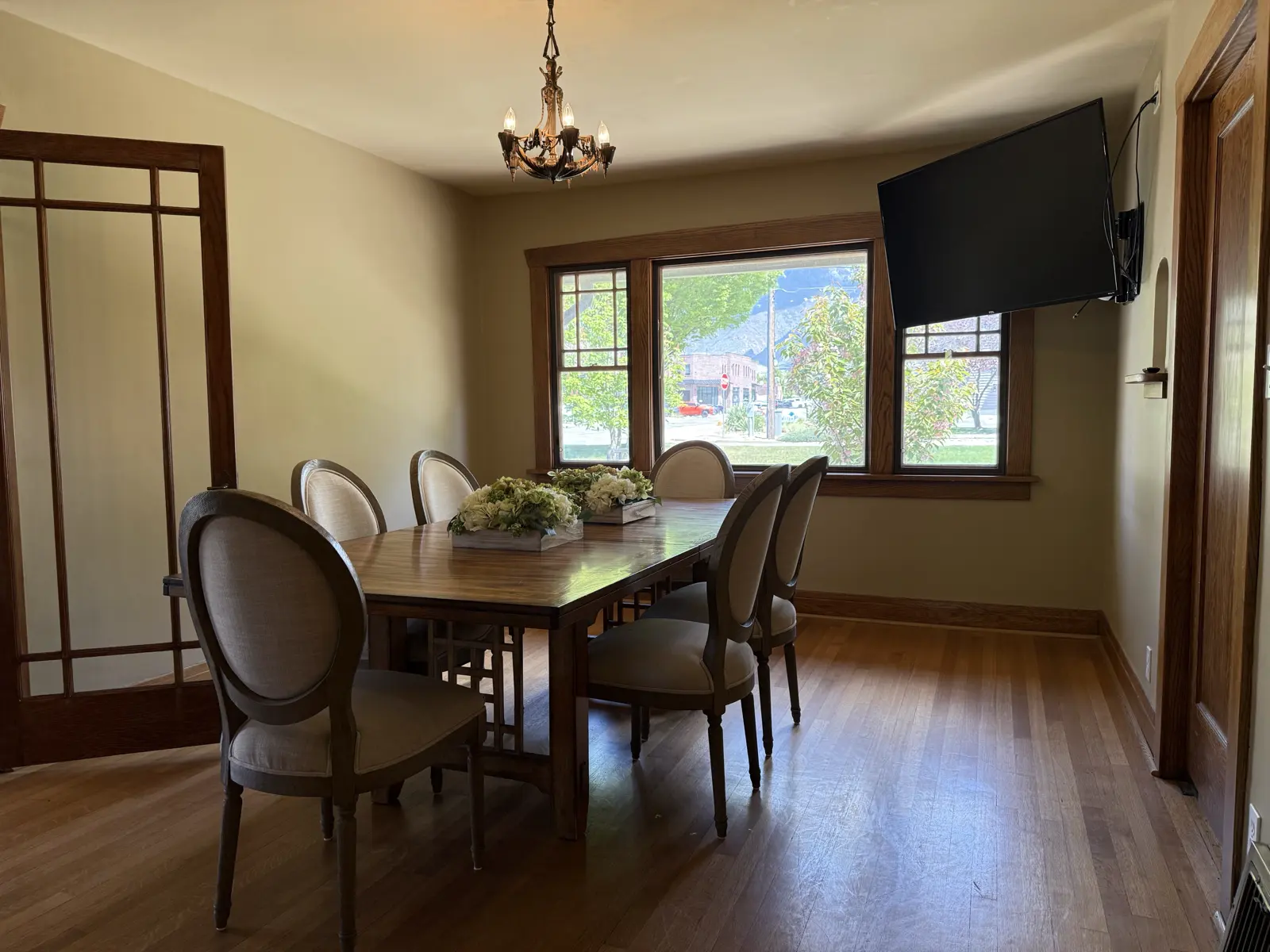
CPT therapy for PTSD
CPT was designed for adults with PTSD after any kind of trauma: assault, abuse, accidents, combat or what you’ve seen at work. It can be one part of trauma and PTSD treatment, including complex trauma. The work usually centers on the areas where trauma most often changes how you think:
- Safety
“The world is dangerous” or “I can’t protect myself”.
- Trust
“I can’t trust anyone”, including your own judgment.
- Power and control
Feeling helpless, or needing to control everything.
- Esteem and intimacy
How you see yourself and others, and letting people close.
If trauma shows up at night too, read about nightmares and C-PTSD.
What to expect during CPT sessions in Salt Lake Valley
CPT follows a clear structure. You and your therapist work together, and you’ll have short practice assignments between sessions, such as worksheets or keeping track of your thoughts.
Understand
The first sessions- 1Learn about PTSD
How trauma affects thoughts, feelings and the body, and how CPT works.
- 2Write an impact statement
A short piece on why you think the trauma happened and how it changed your beliefs.
Find and question stuck points
The heart of the work- 3Spot your stuck points
Your therapist helps you notice the beliefs that keep you stuck.
- 4Examine them
Worksheets and Socratic questions to weigh each belief against the facts.
Look back
Toward the end- 5Rewrite your statement
A new impact statement shows how your beliefs have shifted.
A detailed written account of the trauma is an optional part of CPT. You and your therapist decide together whether to use it.
CPT for first responders and veterans
Police, fire, EMS, dispatch and military service can leave stuck points of their own. Learn about our care for first responders.
Built for trauma at work
CPT is widely used in the VA and with people whose jobs expose them to trauma again and again.
Line-of-duty stuck points
Beliefs like “I should have saved them” or “I can never let my guard down” are exactly what CPT works on.
In our regular programs
First responders and veterans join the same programs, with others who understand trauma.
Veterans welcome
Using commercial insurance or self-pay. Admissions can walk you through your options.
CPT and CBT
CPT is a type of cognitive behavioral therapy focused on the beliefs that formed after trauma. Read our CBT vs CPT guide, or learn about CBT therapy in Utah and our other evidence-based therapies for trauma.
Who provides CPT here
CPT is delivered in individual therapy by therapists on our team trained in it, including Sara Sorenson, LCMHC, our Director of Clinical Development, Austin Florez, ACMHC, and Maeve Haggerty, CSW. Whether it’s part of your plan is decided with your therapist. Learn about our residential treatment.
ResidentialPlus daily groups
Two individual sessions a week
PHPPlus full therapy days and groups
One individual session a week
IOPPlus morning groups three or five days a week
Individual therapy every other week
Thank you, we have your details
Admissions will call you to go over your coverage, usually the same business day. If it’s urgent, call (801) 383-0810.
Paying for treatment
CPT is part of your program, so it’s covered when your program is. We work with most PPO plans that include out-of-network benefits, and with self-pay. Our team will verify your insurance for free.
PPO plans with out-of-network benefitsUsually covered
Self-payPayment options
Single case agreementsAsk admissions
Read about cost and payment options.
Thank you, we have your details
Admissions will call you to go over your coverage, usually the same business day. If it’s urgent, call (801) 383-0810.















In our clients’ words
Three mental health facilities in Draper, Utah
Clients come to us from across Utah and the country. Admissions helps you plan your arrival.

Questions about CPT
Have another question? Our admissions team takes calls at any hour; after hours, we call you back from 9 a.m. MT.
Call (801) 383-0810How long does CPT take?
In its standard form, CPT is about 12 sessions. Here it’s part of your individual therapy, and your therapist adapts the pace to you and your level of care.
Is CPT evidence-based for PTSD?
Yes. CPT is one of the therapies most strongly recommended for PTSD in the VA/DoD clinical practice guideline (2023) and the American Psychological Association guideline (2017).
What is a stuck point?
A belief about the trauma, or about yourself and the world since, that keeps you stuck. For example: “It was my fault” or “I can’t trust anyone.” CPT helps you look at the facts behind it.
Do I have to write about my trauma?
CPT includes writing an impact statement about how the trauma changed your beliefs. A detailed written account of the trauma itself is an optional part, and you and your therapist decide together whether to use it.
What is the difference between CPT and CBT?
CPT is a type of CBT that focuses on the beliefs that formed after trauma. See our CBT vs CPT guide.
Is CPT only for veterans?
CPT is used with anyone living with PTSD, whatever the trauma. Veterans and first responders are welcome in all our programs.
Does insurance cover CPT?
CPT is part of your program, so it’s covered when your program is. We work with many PPO plans, including Aetna, Cigna, UnitedHealthcare and Blue Cross Blue Shield plans, through out-of-network benefits, depending on your plan, and with self-pay. Our team will verify your insurance for free.
Talk to someone today
Want to know whether CPT could be part of your plan? Our admissions team takes calls at any hour; after hours, we call you back from 9 a.m. MT.