





How to Help a Loved One Get Mental Health Treatment
Watching someone you love struggle is exhausting and frightening. Here’s how parents, partners and relatives can help an adult take the next step into care built around who they are, and how you stay involved once they do.
Clinically reviewed by Sara Sorenson, LCMHC, Director of Clinical Development
Talk it through: (801) 383-0810
Prefer to call? (801) 383-0810
Thank you, we have your details
Admissions will call you to go over your coverage, usually the same business day. If it’s urgent, call (801) 383-0810.
Five steps to get your loved one help
You don’t have to have the right words or every answer before you start. Most families begin with step two.
Learn the signs
Weekly therapy may not be enough when work, school or relationships keep slipping, or when a hospital stay didn’t hold. Here are the signs it’s time for more support.
Call admissions yourself
You don’t need your loved one’s permission to learn your options. We’ll explain the programs and check their insurance for mental health treatment.
Talk with your loved one
Pick a calm moment, lead with what you’ve noticed and how much you care, and listen more than you talk.
- Say “I’m worried about you,” not “you need to go”
- Offer to make the first call together
- Expect more than one conversation
Set up the screening call
Your loved one talks with our admissions team so we can learn their history and goals. Read how admission works.
Plan the first day and travel
Admissions happen Monday through Thursday. We help plan arrival, including transportation from the Salt Lake City airport.
If you’re a parent
If your son or daughter is a young adult, read about our mental health treatment for young adults.
If you’re a partner
Supporting a spouse brings its own strain. Read about depression treatment for a partner or about supporting a partner with bipolar disorder.
When they don’t want help
An adult has to agree to their own treatment, and that can be the hardest part. These steps keep the door open without a promise of how it ends.
Keep the door open
Stay connected, keep checking in, and let them know the offer still stands.
Ask their providers
A therapist or doctor they trust can recommend a higher level of care.
Bring in the right person
Think about who they’re most likely to say yes to, or work with an interventionist.
Use a crisis team
Local mobile crisis teams can help when things escalate but no one is in immediate danger.
A hospital stay can stabilize a crisis, and many people need more care after it. Admissions can work with the hospital’s case manager on timing. Here’s how we help people coming from a psychiatric hospital.
What happens at admission
Admissions sets a start date with your loved one once insurance and clinical fit are confirmed. Admissions happen Monday to Thursday, and treatment is voluntary, in unlocked houses with staff on site around the clock.
Your loved one completes the screening themselves. You can help by sharing what you’ve noticed (with their consent), gathering insurance details, and planning travel. Read how admission works.
- Benefits check
- Screening call
- Clinical approval
- Admission date
Staying involved during treatment
How much you hear and how involved you are depends on what your loved one agrees to. Most families stay closely connected.
Release of information
With your loved one’s written consent, the clinical team can share updates with you.
Virtual family support
A weekly online friends-and-family support group, led by a member of our clinical team, that you can join from wherever you live. It usually meets Wednesday evenings at 6 p.m. MT; admissions can confirm the current time.
Family sessions
Sessions with your loved one and their therapist when they’re part of the treatment plan.
Visits and calls
Phone time and visits follow a schedule. See what to expect in residential treatment.
Staying in touch, week by week
- Days 1–2Settling in, with a short break from phones
- After thatEvening calls from the house phone
- About day 7Their own phone back for set times
- Second weekendYour first on-site visit
- Weekends afterOff-site passes, as their therapist agrees
Residential schedule. Your loved one’s therapist can adjust it.
After treatment
Most clients step down from residential to PHP and IOP in Draper with the same team, then go home with a plan. Family can be part of that plan, and our alumni program keeps your loved one connected afterward.
Residential
Care around the clock in a home setting.
PHP
Full days of treatment while living at home, in our partial hospitalization program.
IOP
Mornings in treatment, the rest of the day for life, in our intensive outpatient program.
Home
An aftercare plan for therapy, medication and support, with family included when your loved one agrees.
If your loved one is already in our care
Call our main line and ask for your loved one’s case manager. If it’s urgent, say so and we’ll get your message to the clinical team right away. We can share details once your loved one has signed a release. If someone is in danger now, call 911.
Thank you, we have your details
Admissions will call you to go over your coverage, usually the same business day. If it’s urgent, call (801) 383-0810.
Paying for a loved one’s treatment
Many PPO plans with out-of-network benefits cover treatment, including plans that cover an adult child up to age 26. Admissions checks the insurance for mental health treatment for free before anyone commits.
PPO plans with out-of-network benefitsUsually covered
Self-payPayment options
Single case agreementsAsk admissions
Read about cost and payment options, or about traveling to Utah for treatment.
Thank you, we have your details
Admissions will call you to go over your coverage, usually the same business day. If it’s urgent, call (801) 383-0810.















In our clients’ words
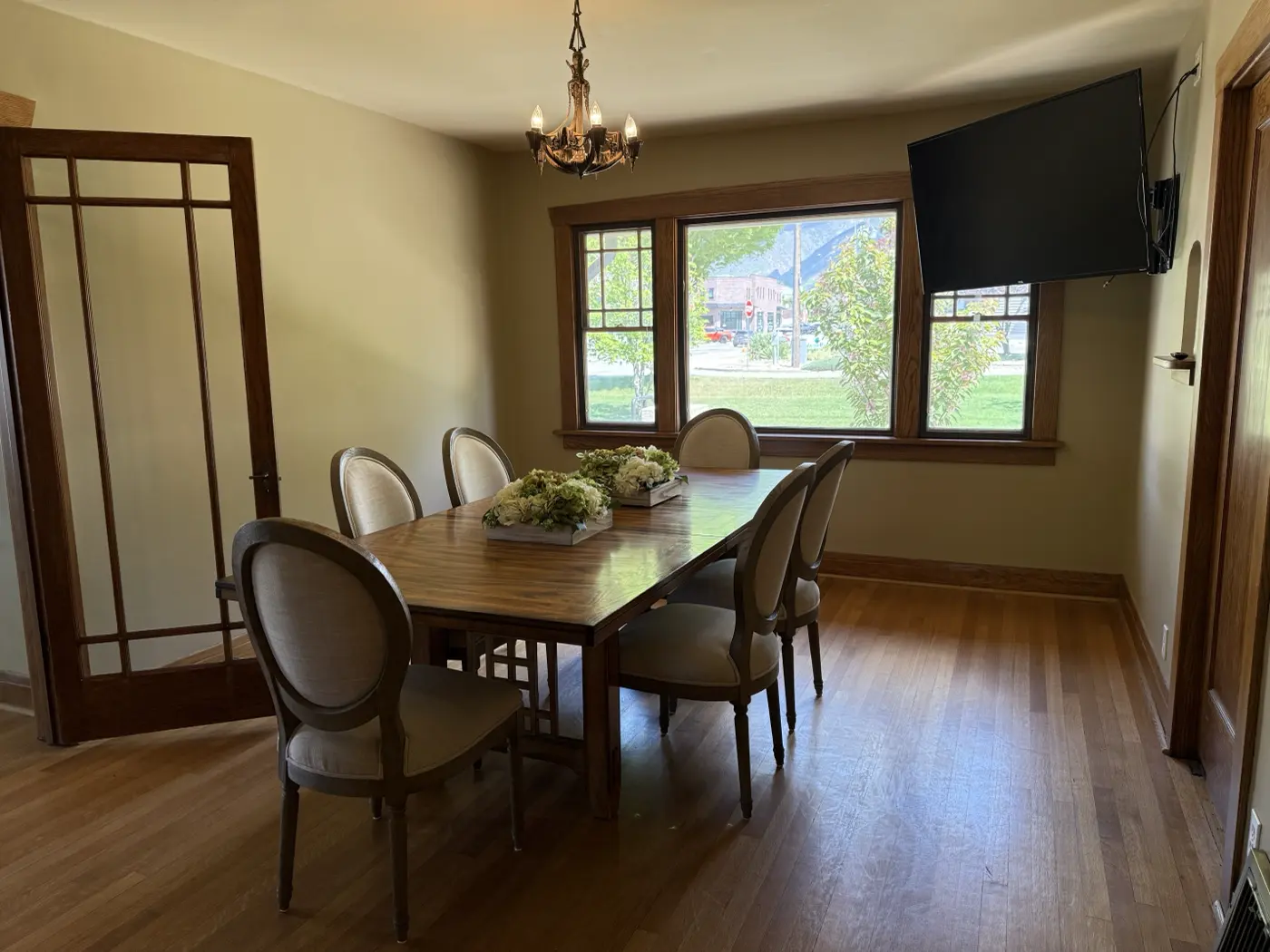
Three mental health facilities in Draper, Utah
Clients come to us from across Utah and the country. Admissions helps you plan your arrival.

Questions families ask us
Have another question? Our admissions team takes calls at any hour; after hours, we call you back from 9 a.m. MT.
Call (801) 383-0810Can I admit my adult child or spouse to treatment?
An adult has to agree to their own treatment. You can still call admissions to learn how it works and how to talk with them about it.
What if they refuse help?
Keep talking, offer to make the first call together, and ask their therapist or doctor to weigh in. If they are in danger, call or text 988, call 911, or go to the nearest ER.
Will you tell me how they’re doing?
With your loved one’s written consent, yes. Many clients sign a release of information so family can stay informed.
Do you offer family therapy?
Corner Canyon offers a virtual friends-and-family support group, family sessions when they’re part of your loved one’s plan, and family involvement in aftercare planning. Ongoing family therapy as a separate service isn’t part of our programs. The support group meets online each week, led by a member of our clinical team, usually on Wednesday evenings at 6 p.m. MT; admissions can confirm the current time.
Can I visit or call?
Yes. After a short settling-in period, your loved one can call in the evenings, and on-site visits start on the second weekend. See what to expect in residential treatment.
Can my adult child use my insurance?
Most plans cover dependents up to age 26. Admissions checks out-of-network benefits before admission. Read about cost and payment options.
We live outside Utah. How does that work?
Many clients travel to Draper. Admissions helps plan arrival, including transportation from the Salt Lake City airport, and aftercare planning connects your loved one with care at home. Read about traveling to Utah for treatment.
My loved one is in treatment now and I’m worried. Who do I call?
Call our main line and ask for your loved one’s case manager. Tell us if it’s urgent. If someone is in danger now, call 911.
Talk to someone today
You can call before your loved one agrees to anything. Our admissions team takes calls at any hour (after hours, we call you back from 9 a.m. MT), and can talk you through what to say and what comes next.