





Holistic Nutrition for Mental Health in Draper, Utah
At Corner Canyon in Draper, chef-prepared meals, a registered dietitian and a nutritionist are part of mental health care for adults in our residential program, alongside the therapies we use, because how you eat shapes how you feel.
Clinically reviewed by Sara Sorenson, LCMHC, Director of Clinical Development
- Meals cooked on site daily
- Vegetables from our garden
- Draper, Utah
Call (801) 383-0810
Prefer to call? (801) 383-0810
Thank you, we have your details
Admissions will call you to go over your coverage, usually the same business day. If it’s urgent, call (801) 383-0810.
How does holistic nutrition support mental health recovery?
A primary goal at Corner Canyon is to assess and treat the genetic, biological and medical problems that can get in the way of good mental and physical health. If those underlying issues are still there when treatment ends, progress is harder to keep. That’s why we developed a holistic approach to nutrition and diet.
The holistic approach looks at the whole person: body, mind and spirit. These three are connected, and what you eat touches all of them. The aim isn’t only to prevent illness, but to support energy, balance and steady mental health, with attention to the quality of food, where it comes from and how it works with your unique body.
The study of how dietary factors affect mental health and well-being is a relatively new field, but growing evidence suggests diet can influence mental health, and that a healthy diet and lifestyle may help support it and lower the risk of developing mental health conditions. Research into the link is still young. Much of it centers on the gut-brain connection: the two-way communication between your digestive system and your brain.
Why holistic nutrition at Corner Canyon
Many treatment centers mention “healthy meals” in one line. Here, food has its own team, its own garden and a place in your treatment plan.
Our chef and dietitian
Every meal is cooked on site, led by an executive chef who is also a nutritionist, with our registered dietitian.
A home, not a hospital
Meals come out of a real home kitchen, not a cafeteria line, in voluntary, unlocked houses.
Full assessment at intake
Your clinical assessment looks at medical and biological factors, not only symptoms.
Mind and body together
Genetic testing and labs can inform supplements, such as methylfolate, alongside medication.
Movement every day
Gym time most days, yoga and outdoor activity, part of our experiential and recreational therapy.
Skills you take home
A weekly cooking class in our kitchen and a garden group, so healthy habits last after treatment.
Our nutrition team
Our executive chef, who is also a nutritionist, and our registered dietitian plan, cook and teach. They work alongside your psychiatric and medical providers.
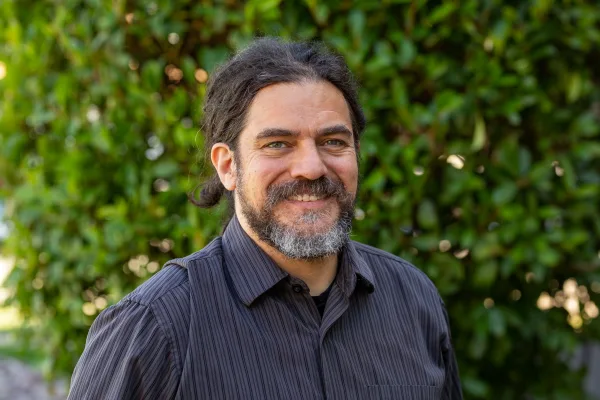
Over 30 years in food, with a culinary arts degree. Before Corner Canyon he ran kitchens focused on fresh, organic food and built ties with local farmers. He grows the garden and teaches clients to cook.
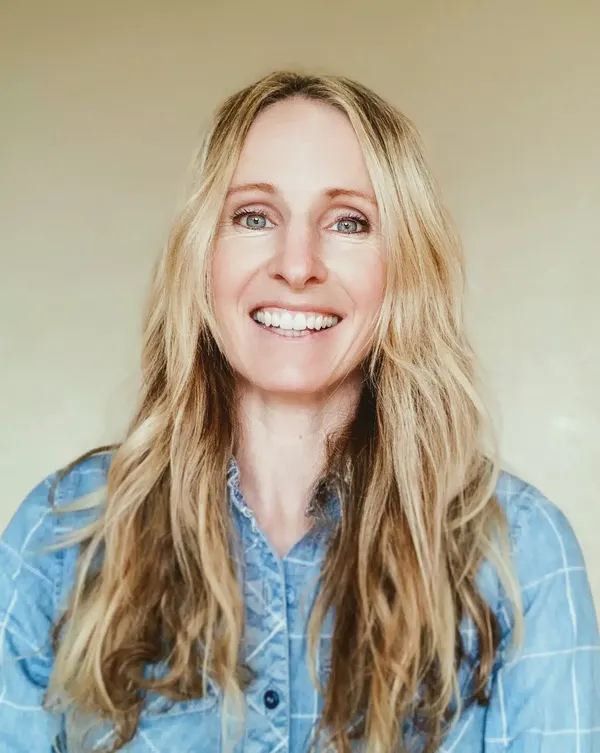
Over 20 years in nutrition, including psychiatric and behavioral health nutrition and nutrigenetics. Her approach is evidence-based and practical.
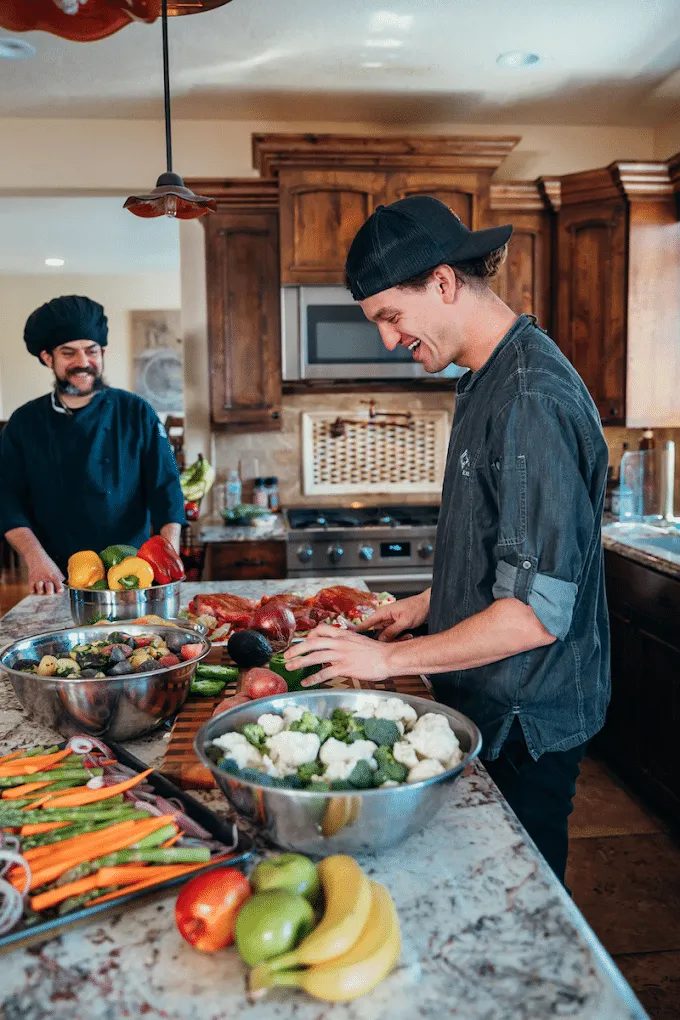
Our kitchen preps fresh vegetables, fruit and whole foods in a home kitchen, for every meal of the week.
From our kitchen
Nutrition doesn’t have to be boring. Our kitchen combines many whole foods into meals that look and taste good, and we limit processed foods and simple carbs such as white bread, white pasta and sugar.
- 20+different foods in a typical meal
- 7 daysa week, meals cooked on site in our kitchen
- Gardenvegetables grown on site and served at the table
- Weeklycooking class in our kitchen
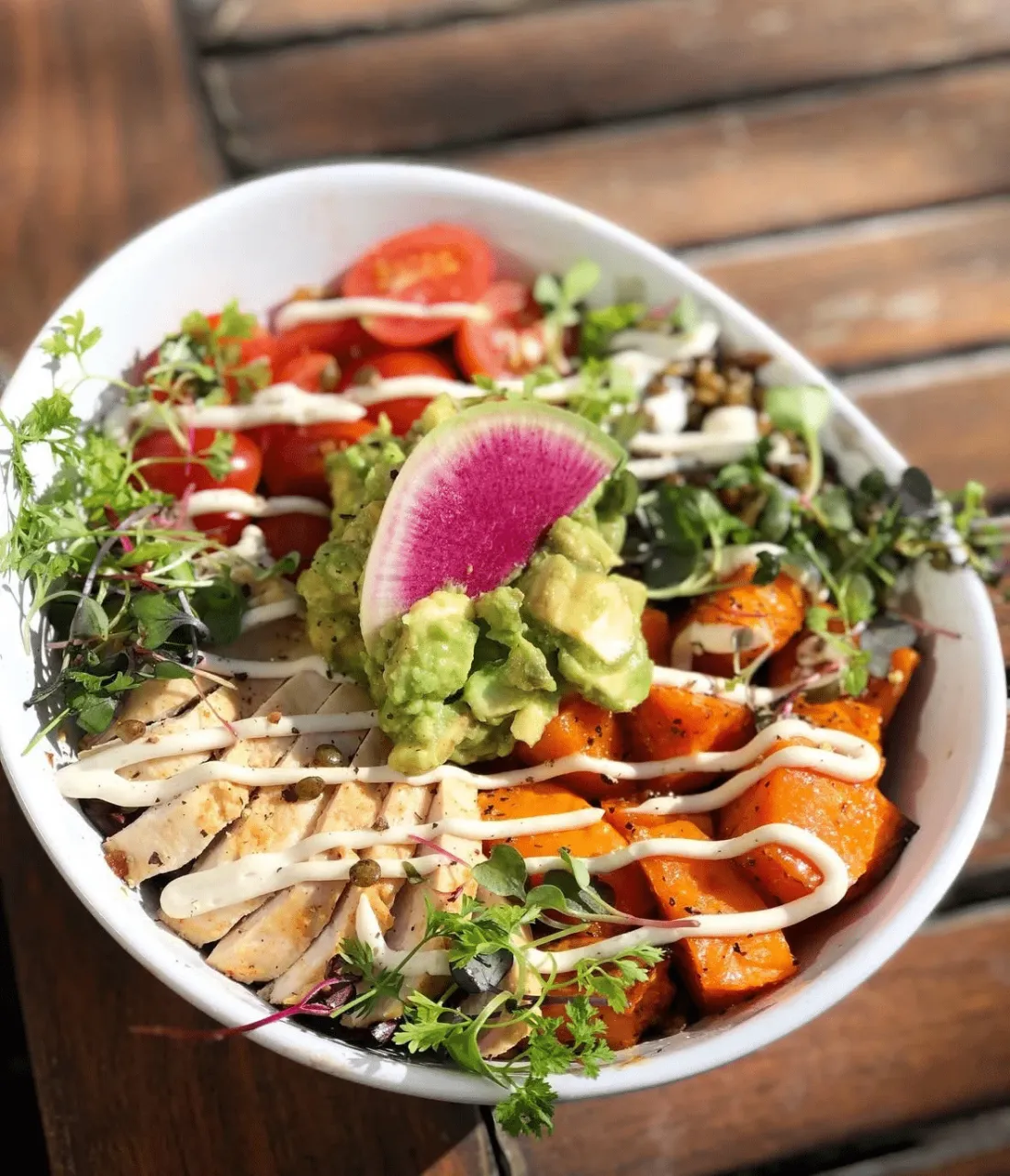

These are lunch dishes photographed by our staff.
What does a therapeutic nutrition plan look like at Corner Canyon?
The contemporary diet can leave the gut short of good bacteria. Our philosophy is to pack as many nutrients as possible into a delicious range of food at every meal, and to build gut health gradually.
Gut health as a foundation
A healthy gut microbiome is linked to immunity, hormone regulation and mental health. Meals are rich in fiber, prebiotics and probiotics, and we offer probiotic supplements when they help.
Whole, minimally processed foods
Vegetables, fruit, whole grains, legumes, nuts, seeds and high-quality animal products, as close to their natural state as possible, with fewer additives, preservatives and refined sugars.
Bio-individuality
There’s no single perfect diet. Needs differ with genetics, age, gender, activity, health, culture and even climate, so we accommodate dietary concerns and adjust as we go.
Food quality and sourcing
How and where food is grown matters. Produce from our garden keeps the most nutrients, with less time in transport and refrigeration, and what we buy in is usually organic.
Organic ingredientsLess exposure to pesticides and herbicides.
Local and seasonalFresher, more nutrient-dense food that supports local farmers.
Sustainable and ethicalThinking about animal welfare and regenerative farming.
Mindful eating for recovery
How you eat matters as much as what you eat:
- Eating slowly and without distraction
- Listening to hunger and fullness cues
- Appreciating flavors, textures and where food comes from
- Understanding your emotional connection to food, without using it as your main way to cope
Traditions such as Ayurveda and Traditional Chinese Medicine describe whole, fresh foods as carrying “life force energy”, and highly processed foods as having little. We share their respect for fresh food.
The gut-brain diet
Our meals are built around a Mediterranean-style diet: whole grains, vegetables, lean protein, fruit, nuts and other fresh ingredients. These foods include natural prebiotics and probiotics that help create a healthy gut biome.
The typical American diet is heavy in processed food, and people in a mental health crisis or early recovery sometimes barely eat. Both can leave the gut short of good bacteria, so the brain and body don’t get what they need. In summer our chef-tended garden grows many of our vegetables, with no pesticides or preservatives, and sugar and white carbs are kept for special occasions. Our kitchen makes healthy food taste like a good restaurant, and teaches cooking classes so you can keep eating this way at home.
The gut-brain diet supports your care. It isn’t a treatment on its own, and it works alongside therapy, medication and the rest of your program.
What goes on a Mediterranean-style plate
- Vegetablesleafy greens, cruciferous vegetables, from our garden in summer
- Whole grains and legumesfiber that feeds healthy gut bacteria
- Lean proteinfish, poultry, eggs and beans
- Fruitfresh and seasonal
- Nuts, seeds and olive oilincluding omega-3 sources
- Fermented foodsyogurt, kefir, sauerkraut (probiotics)
A rough share of the plate in a Mediterranean-style pattern, not a portion plan.
Signals run both ways: through the vagus nerve, the immune system and messengers made by gut bacteria.
What is the gut-brain connection, and why does it matter for recovery?
The enteric nervous system, a network of neurons in the walls of the digestive tract, is often called the “second brain” because it can work independently. It talks to the brain through pathways such as the vagus nerve. The gut and brain are also linked through the immune system and the microbiome. Here are four ways that connection may contribute to mental health symptoms:
Neurotransmitter production
The gut makes many of the same messengers that regulate mood, including serotonin, dopamine and GABA. About 90% of the body’s serotonin is made in the gut, and by some estimates about half of its dopamine, though gut serotonin acts differently from serotonin in the brain.
Inflammation
Chronic inflammation has been linked to depression, anxiety and schizophrenia. The gut plays a key role in regulating the immune response throughout the body.
The gut microbiome
Trillions of microorganisms produce signaling molecules that can influence the brain. Imbalances have been linked to depression, anxiety and autism.
Stress response
Stress changes how the gut moves, causing pain, bloating or diarrhea, and chronic stress is linked to anxiety and depression.
Gut-brain research
Observational studies
Diet patterns and depression
A 2019 meta-analysis found people with healthier diets, such as a Mediterranean style, had a lower risk of depression.
Randomized trials
The SMILES trial
In a 2017 trial, adults with depression who got support to improve their diet had greater symptom improvement than a social-support group.
Probiotics
A trial in mania
In a 2018 trial of 66 people hospitalized for mania, those given probiotics with usual treatment were rehospitalized less often: about 24%, compared with about half of the placebo group, and for shorter stays (2.8 vs 8.3 days on average).
Mechanistic studies
Gut bacteria and behavior
When gut bacteria from anxious people were transferred into germ-free mice, the mice also showed anxiety-like behavior.
These are early and growing areas of research. They help explain why we take food seriously; they don’t mean a diet can treat a mental health condition.
How to improve your gut health and brain function
- Eat a balanced dietFiber, fruit, vegetables and fermented foods; less processed food, sugary drinks and alcohol.
- Manage stressMindfulness, yoga or deep breathing can calm the gut as well as the mind.
- Get enough sleepSleep regulates mood and supports gut health. Aim for 7–9 hours a night.
- Move regularlyModerate exercise supports healthy gut function and eases inflammation. Aim for at least 30 minutes most days.
- ProbioticsFrom foods such as yogurt, kefir and sauerkraut, or a supplement your provider suggests.
- Medications only as directedAntibiotics and some medications, such as PPIs and NSAIDs, can disrupt the gut, so take them only as your provider directs.
Nutrition and medication management
Medication can be an important tool for managing mental health symptoms, but it isn’t the whole picture. Our psychiatric provider has an educational and professional focus on how diet and nutrition affect mental health, and works with clients weekly to support their response to the medications they take and, when appropriate, to review whether they still need each one.
For enrolled clients, genetic testing shows whether you carry an MTHFR gene variant, which affects how your body processes folate. If you do, your provider may suggest L-methylfolate, and our kitchen’s folate-rich meals of leafy greens and cruciferous vegetables help too.
Genetic and PGx testingHow your genes may affect medication and folate.
LabsSuch as vitamin D and hormones, ordered by your medical providers.
Weekly psychiatric visitIn residential, to review medication and supplements with you.
Food allergies and dietary needs
Our kitchen cooks for each house every day, so meals can be planned around what you need. Let admissions know before you arrive.
Food allergies
Our kitchen manages food allergies carefully and keep them in mind for every meal.
Vegetarian, vegan, gluten- and dairy-free
There are always vegetarian options, vegan meals are no problem, and gluten- and dairy-free dishes are a regular part of the menu.
Your relationship with food
If eating has been hard, our dietitian and your therapist support you within your care, at a pace that feels safe.
Thank you, we have your details
Admissions will call you to go over your coverage, usually the same business day. If it’s urgent, call (801) 383-0810.
Cost and insurance
Meals and nutrition are part of your residential program. We work with most PPO plans that include out-of-network benefits, and our team will verify your insurance for free.
PPO plans with out-of-network benefitsUsually covered
Self-payPayment options
Single case agreementsAsk admissions
Read about the cost of treatment, and what to expect when you arrive.
Thank you, we have your details
Admissions will call you to go over your coverage, usually the same business day. If it’s urgent, call (801) 383-0810.















In our clients’ words
Three mental health facilities in Draper, Utah
Clients come to us from across Utah and the country. Admissions helps you plan your arrival.

Questions about holistic nutrition
Have another question? Our admissions team takes calls at any hour; after hours, we call you back from 9 a.m. MT.
Call (801) 383-0810Are meals cooked on site?
Yes. Every meal is cooked on site, seven days a week, using whole foods and vegetables from our garden when they’re in season.
Can you handle food allergies and special diets?
Yes. Our kitchen manages food allergies, always have vegetarian options, can cook vegan, and often make gluten- and dairy-free meals. Tell admissions about your needs before you arrive so the kitchen is ready.
Do I meet with the dietitian?
Our registered dietitian works with clients when it fits their treatment plan, for example with a history of disordered eating or a medical need. Your team will recommend it if it would help, and admissions explains whether any optional service carries a cost.
What is the gut-brain diet?
An eating pattern that supports gut health, which research links to mood. Ours follows a Mediterranean style: vegetables, whole grains, lean protein, fruit, nuts and fermented foods. It’s part of your care, not a treatment on its own. Read more about the gut-brain connection.
Do you treat eating disorders?
Corner Canyon is a mental health program for depression, anxiety, trauma and related conditions. When disordered eating comes up alongside those, your team and our dietitian address it within your care. For a primary eating disorder, admissions can suggest specialized programs.
Will I be put on a diet?
There’s no diet, calorie counting or weight-loss plan. The goal is nourishing, satisfying meals and a calmer relationship with food.
Can I keep eating this way after treatment?
Yes. That’s why our kitchen runs a weekly cooking class and we run a garden group. You can also read about food and mental health and the best foods for ADHD.
Sources
The research and guidelines cited on this page. Numbers match the references in the text, and links open the original source.
3 sources cited
- 12017A randomised controlled trial of dietary improvement for adults with major depression (the ‘SMILES’ trial)Read the sourcedoi.org
- 22019Healthy dietary indices and risk of depressive outcomes: a systematic review and meta-analysis of observational studiesRead the sourcedoi.org
- 32018Adjunctive probiotic microorganisms to prevent rehospitalization in patients with acute mania: a randomized controlled trialRead the sourcedoi.org
Talk to someone today
Looking for mental health care that treats your body as well as your mind? Our admissions team takes calls at any hour; after hours, we call you back from 9 a.m. MT.