




Neurofeedback Therapy in Draper, Utah
Neurofeedback is real-time training that helps the brain shift toward more regulated patterns. At Corner Canyon in Draper, it’s an optional service for adults enrolled in residential treatment or our other programs, for those who may benefit, alongside the therapies in their plan.
Clinically reviewed by Sara Sorenson, LCMHC, Director of Clinical Development
- For enrolled clients only
- Non-invasive, medication-free
- Draper, Utah
Call (801) 383-0810
Prefer to call? (801) 383-0810
Thank you, we have your details
Admissions will call you to go over your coverage, usually the same business day. If it’s urgent, call (801) 383-0810.
What is neurofeedback therapy?
Neurofeedback trains the brain to regulate itself. Sensors read your brainwave activity, and real-time visual or auditory feedback shows you when your brain moves toward a calmer, more regulated pattern.
It’s non-invasive and medication-free, and it’s personalized to your actual brain activity rather than a one-size-fits-all protocol. Over time, the training aims to support focus, sleep and emotional stability.
Neurofeedback is rarely used alone. Here it’s one part of a broader treatment plan, and it gives both you and your clinicians real-time information about what’s happening in the brain.
How the feedback loop works
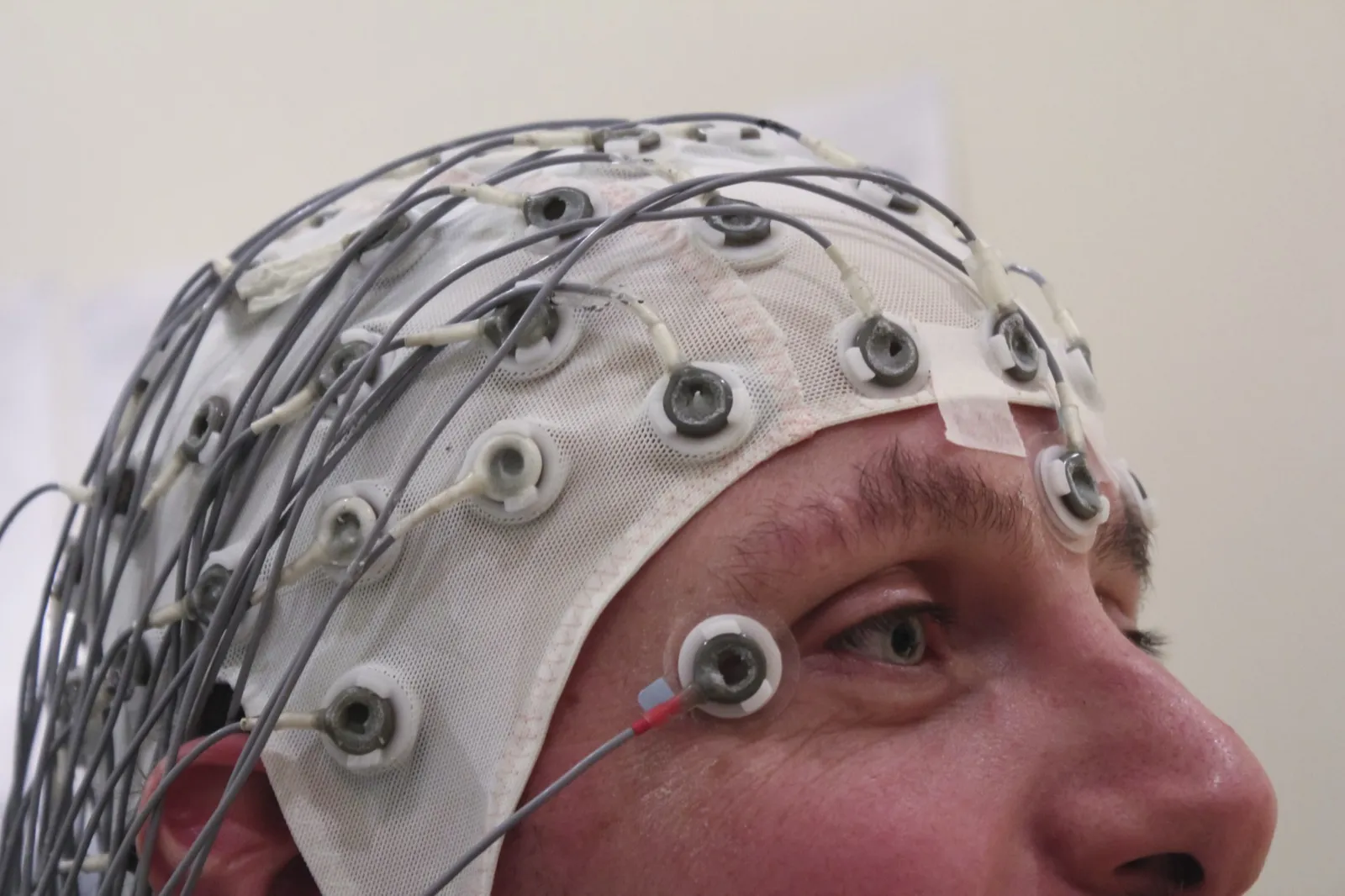
- Sensors read your brainwavesSmall sensors on the scalp pick up electrical activity. Nothing is sent into the brain.
- The software comparesYour activity is checked, moment to moment, against the pattern in your training plan.
- You get feedbackA video, game or sound responds when your brain moves toward that pattern.
- Your brain learnsWith practice, it finds its way to more regulated patterns on its own.
Before trainingMore regulated patterns
Why choose neurofeedback at Corner Canyon
Neurofeedback here isn’t a stand-alone session at a clinic. It’s one tool in a full residential or day program, chosen with your clinical team.
Advanced treatments inside the program
Neurofeedback sits alongside ketamine, SGB and genetic testing, for enrolled clients after clinical screening.
Full assessment at intake
Your clinical assessment comes first, so neurofeedback is only suggested when it fits.
Trauma and dissociation specialists
We specialize in trauma, and neurofeedback is one of the tools we use to calm the body’s stress response.
Mental health first
Neurofeedback here supports care for depression, trauma, anxiety and sleep.
A home, not a hospital
Voluntary, unlocked houses in Draper, with staff on site around the clock.
One campus for every step
Residential, then PHP, then IOP, with the same team as you step down.
Neurofeedback starts with a qEEG brain map
Using a quantitative EEG (qEEG), clinicians map your brainwave activity and identify patterns associated with how you’ve been feeling. That map becomes a training plan specific to your own brain.
- A qEEG brain mapA recording of your brainwave activity shows patterns linked with how you’ve been feeling.
- A plan for your patternsTraining is built around your own brain activity, not a one-size-fits-all protocol.
- Training sessionsReal-time visual or auditory feedback, while you sit comfortably and watch or listen.
- Shared with your teamYour clinicians see what’s happening in real time, alongside the rest of your treatment.
Neurofeedback for depression, trauma, anxiety and sleep
Your team suggests neurofeedback when they think it may help with what you’re working on. It isn’t used routinely, and it always sits alongside therapy.
Neurofeedback for depression
For depression that hasn’t eased with medication, neurofeedback offers a non-medication option that works with the brain directly. A 2021 review classed neurofeedback protocols for depression as “possibly efficacious”: a real and growing evidence base, still being refined.
Read about our depression treatment and options for treatment-resistant depression.
Neurofeedback for trauma and PTSD
We use targeted interventions like neurofeedback and stellate ganglion block to help calm the body’s stress response, alongside EMDR, IFS and other therapies in our trauma and PTSD treatment. A 2016 randomized study of adults with chronic PTSD was promising, though larger studies are still needed.
Neurofeedback and sleep
Training the brain toward calmer patterns may support falling and staying asleep, and it can pair well with trauma therapy when your arousal stays high. It’s one part of our sleep and trauma program.
Neurofeedback for anxiety
Learning to shift out of an over-alert state can support the skills you build in therapy for anxiety. Research is still limited. Learn about our anxiety treatment.
Evidence for depression (2021 review)
Not empirically supportedPossibly efficaciousProbably efficaciousEfficaciousEfficacious and specific
What a neurofeedback session is like
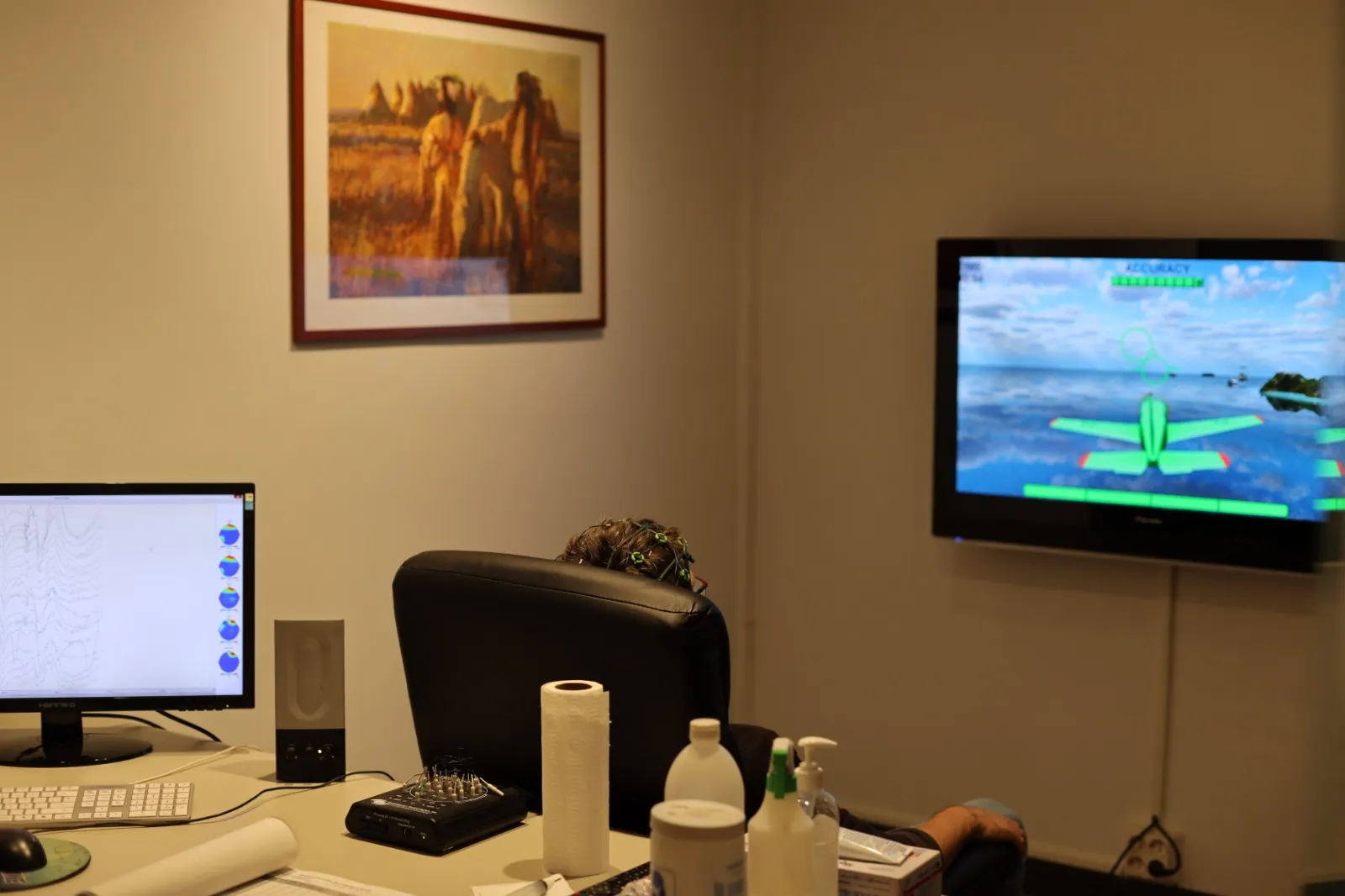
Sessions are quiet and simple. You sit comfortably while the sensors read your brain activity and the screen or sound responds.
- Nothing to prepareYou sit in a chair; there are no needles and no medication.
- Sensors, not stimulationNeurofeedback only reads brain activity. It doesn’t put anything in.
- Watch or listenThe screen or sound changes as your brainwaves shift, and that’s the feedback.
- Back to your dayAfterward you return to groups and therapy at the house.
Neurofeedback and our other advanced treatments
Each works differently, and your team may suggest one, more than one or none, depending on your plan.
Neurofeedback
Brain training with real-time feedback. Optional, and may cost extra.
Ketamine-assisted therapy
Supervised ketamine sessions paired with psychotherapy. A self-pay add-on.
Stellate ganglion block
An injection that may calm trauma-related hyperarousal, through a medical partner.
Genetic and PGx testing
A cheek swab that helps your psychiatric provider plan medication. Included.
Thank you, we have your details
Admissions will call you to go over your coverage, usually the same business day. If it’s urgent, call (801) 383-0810.
Cost and insurance
Neurofeedback is an optional service that may involve an additional cost, and admissions explains it before you decide. Your residential, PHP or IOP program is separate: we work with most PPO plans that include out-of-network benefits, and our team will verify your insurance for free.
PPO plans with out-of-network benefitsUsually covered
Self-payPayment options
Single case agreementsAsk admissions
Read about the cost of treatment and payment options.
Thank you, we have your details
Admissions will call you to go over your coverage, usually the same business day. If it’s urgent, call (801) 383-0810.















In our clients’ words
Three mental health facilities in Draper, Utah
Clients come to us from across Utah and the country. Admissions helps you plan your arrival.
Questions about neurofeedback
Have another question? Our admissions team takes calls at any hour; after hours, we call you back from 9 a.m. MT.
Call (801) 383-0810Can I come to Corner Canyon just for neurofeedback?
Neurofeedback is available to adults enrolled in our programs, after clinical screening, as part of their treatment plan. It isn’t offered on its own.
Is neurofeedback included, or does it cost extra?
It’s an optional service that may involve an additional cost, and admissions explains it before you decide. Your program itself may be covered by insurance. Read about the cost of treatment.
Will I have neurofeedback?
Not everyone does. It isn’t used routinely; your clinical team suggests it when they think you may benefit, and the choice is yours.
Does neurofeedback hurt, and is it safe?
It’s non-invasive. Sensors on your scalp only read brain activity, and nothing is sent into your brain. Most people simply sit and watch a screen or listen.
What is a qEEG brain map?
A quantitative EEG records your brainwave activity and compares it with typical patterns. It’s used to build a neurofeedback training plan for your brain specifically.
Does neurofeedback replace therapy or medication?
It’s rarely used alone and doesn’t replace them. It works alongside individual and group therapy, your medications and other treatments such as brainspotting.
Is neurofeedback evidence-based?
The evidence is growing but still developing. A 2021 review rated neurofeedback for depression “possibly efficacious”, and small studies in PTSD are promising. We don’t promise results.
What’s the difference between neurofeedback and biofeedback?
Biofeedback trains body signals such as heart rate, breathing or muscle tension. Neurofeedback is a type of biofeedback that trains brainwave activity. Read about non-medication treatments for anxiety.
Sources
The research and guidelines cited on this page. Numbers match the references in the text, and links open the original source.
2 sources cited
- 12021The Current Evidence Levels for Biofeedback and Neurofeedback Interventions in Treating Depression: A Narrative ReviewRead the sourcedoi.org
- 22016A Randomized Controlled Study of Neurofeedback for Chronic PTSDRead the sourcedoi.org
Talk to someone today
Wondering whether neurofeedback could be part of your treatment? Our admissions team takes calls at any hour; after hours, we call you back from 9 a.m. MT.