



DBT Therapy in Draper, Utah
Dialectical behavior therapy (DBT) teaches skills to handle intense emotions, get through crises and keep relationships steady, balancing acceptance with change. At Corner Canyon you practice DBT every day in residential care, alongside the other therapies we use, and keep going in PHP and IOP in Draper, Utah.
Clinically reviewed by Sara Sorenson, LCMHC, Director of Clinical Development
- Specialized trauma therapies
- Residential, PHP and IOP
- Draper, Utah
Call (801) 383-0810
Prefer to call? (801) 383-0810
Thank you, we have your details
Admissions will call you to go over your coverage, usually the same business day. If it’s urgent, call (801) 383-0810.
What is dialectical behavior therapy (DBT)?
DBT is a talk therapy first developed in the 1980s. As its name suggests, it’s influenced by dialectics: balancing opposites. At its core are acceptance and change, held together.
Instead of either-or, black-and-white thinking (“I’m a failure” or “everything’s fine”), DBT practices a both-and outlook: “I’m doing the best I can, and I can do better.” It focuses on regulating emotions, accepting pain as part of being human, and being mindful.
DBT is offered as individual and group therapy. You learn to observe your triggers so you can build coping skills that work, and your plan is tailored to you.
DBT aims to help you:
- Be more presentLive in the moment instead of the past or the what-ifs.
- Cope with stressHealthier ways through hard moments than the ones that hurt you.
- Regulate emotionsUnderstand your emotions and ride them out without being run by them.
- Improve relationshipsAsk for what you need and set limits while keeping your self-respect.
Why choose DBT therapy at Corner Canyon
Most outpatient DBT in Salt Lake City is a weekly skills group. Here the skills are part of every day, with staff on site to help you use them.
Specialized trauma therapies
DBT skills paired with trauma processing such as EMDR and ART, so you have the tools to stay steady while you do deeper work.
Trauma and dissociation specialists
We specialize in complex trauma, BPD and the emotion dysregulation that often comes with them.
One campus for every step
Skills groups continue from residential into PHP and IOP in Draper, with the same team.
Practiced daily, not weekly
Most DBT in Salt Lake City is a weekly skills group. Here you use the skills every day, with support on site.
Full assessment at intake
Medical, psychiatric and psychological assessment shapes your plan from day one.
Time to practice
Your clinical team sets the length of your stay, leaving time to make the skills your own.
The four DBT skill modules
DBT is broken down into four modules. Two are based on acceptance and two on change, and you learn all four.
Acceptance skills
Accepting what is, as it is- MMindfulness
Noticing your thoughts and feelings without judging them. Example: noticing “I’m anxious” before you react.
- DDistress tolerance
Getting through a crisis without making it worse. Example: cold water or paced breathing when an urge hits.
Change skills
Building the life you want- EEmotion regulation
Understanding and shifting painful emotions. Example: checking the facts before a fear takes over your day.
- IInterpersonal effectiveness
Asking for what you need and saying no. Example: a clear, kind script for a hard conversation.
Residential DBT
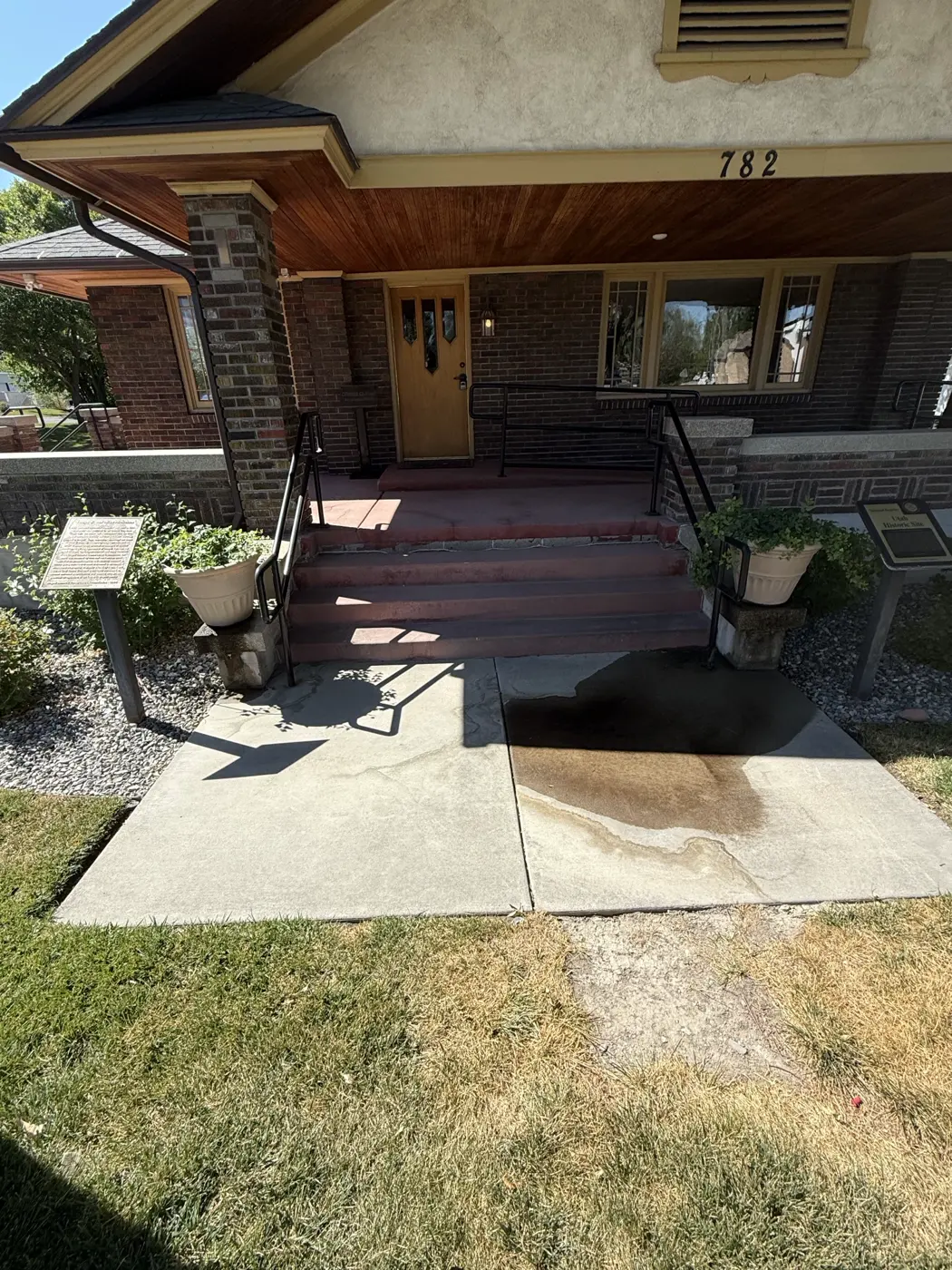
Learning a skill in a weekly group is one thing. Using it at 9 p.m. when a wave of emotion hits is another. In our residential treatment, you practice DBT where life happens, with people around to help.
- Skills groups through the week
DBT skills groups are a regular part of the program day, taught by our clinicians, alongside CBT and trauma-focused groups.
- DBT-based individual therapy
Two individual sessions a week, where your therapist helps you apply the skills to what brought you here.
- Support in the moment
Staff are on site around the clock, so there’s someone to turn to when you’re trying a skill in a hard moment.
- Paired with trauma work
Skills first, so trauma therapies like EMDR and ART can happen at a pace you can manage.
DBT for BPD
DBT was first developed for borderline personality disorder, and it’s central to our care for BPD and personality disorders, with DBT skills groups and DBT-based individual work alongside trauma therapy.
DBT for depression
Emotion regulation and mindfulness skills help with the low mood, self-criticism and withdrawal of depression. Learn about our depression treatment.
DBT for anxiety
Distress tolerance and mindfulness help you ride out anxious spikes without avoiding life. Learn about our anxiety treatment.
DBT with substance use
When substance use comes with a mental health condition, it becomes a high-priority target, and a slip doesn’t mean you can’t succeed: acceptance and change again. See co-occurring disorders.
DBT in groups
Most DBT skills are taught in a group, where you learn from others too. Learn about our group therapy.
Continuing DBT in PHP and IOP
Skills groups continue as you step down, on the same campus, so you keep practicing while you return to work, school and home. DBT here is led by therapists trained in it, including Sara Sorenson, LCMHC, Maeve Haggerty, CSW, and Alex Jacobson, CSW.
ResidentialPlus DBT skills groups through the week
Two individual sessions a week
PHPGroups weekdays, about 9:30 a.m. to 3 p.m.
One individual session a week
IOPGroups 9:30 a.m. to 12:30 p.m., three or five days a week
Individual therapy every other week
Thank you, we have your details
Admissions will call you to go over your coverage, usually the same business day. If it’s urgent, call (801) 383-0810.
Paying for treatment
DBT is part of your program, so it’s covered when your program is. We work with most PPO plans that include out-of-network benefits, and with self-pay. Our team will verify your insurance for free.
PPO plans with out-of-network benefitsUsually covered
Self-payPayment options
Single case agreementsAsk admissions
Read about cost and payment options.
Thank you, we have your details
Admissions will call you to go over your coverage, usually the same business day. If it’s urgent, call (801) 383-0810.















In our clients’ words
Three mental health facilities in Draper, Utah
Clients come to us from across Utah and the country. Admissions helps you plan your arrival.

Questions about DBT therapy
Have another question? Our admissions team takes calls at any hour; after hours, we call you back from 9 a.m. MT.
Call (801) 383-0810Is your program full DBT or DBT-informed?
DBT-informed. We run DBT skills groups and DBT-based individual therapy as part of a broader trauma-focused program, alongside CBT and trauma therapies. We aren’t a standalone DBT-only program, and our admissions team can talk through what fits if that’s what you’re looking for.
Is DBT only for BPD?
DBT was first developed for BPD, but its skills also help with depression, anxiety, trauma and emotion regulation.
How often are DBT skills groups held?
DBT skills groups are a regular part of the program week at every level of care: residential, PHP (weekdays, about 9:30 a.m. to 3 p.m.) and IOP (9:30 a.m. to 12:30 p.m., three or five days a week). Your schedule depends on your plan.
How long does DBT take?
Full outpatient DBT programs often run about 6 to 12 months, with weekly individual therapy and skills groups. Here, DBT skills run through your residential stay and continue in PHP and IOP, so you keep practicing as you step down.
Does DBT help with suicidal thoughts?
DBT was first developed for people living with ongoing suicidal thoughts and self-harm. Our team uses its skills as part of a safety-focused plan made with you at admission. Learn about our suicidal ideation treatment. If you’re in danger now, call or text 988.
Can DBT help with OCD?
It can support OCD treatment, especially with the distress and urges that come with it.
What’s the difference between DBT and CBT?
DBT grew out of CBT. CBT focuses on changing unhelpful thoughts and behaviors; DBT adds acceptance and skills for intense emotions, distress and relationships. Many people here use both. Learn about CBT therapy.
Does insurance cover DBT?
DBT is part of your program, so it’s covered when your program is. We work with many PPO plans, including Aetna, Cigna, UnitedHealthcare and Blue Cross Blue Shield plans, through out-of-network benefits, depending on your plan, and with self-pay. Our team will verify your insurance for free.
Talk to someone today
Looking for DBT therapy in Utah with more support than a weekly group? Our admissions team takes calls at any hour; after hours, we call you back from 9 a.m. MT.