Traits of a narcissist
The patterns that can help you make sense of what happened.
Trauma-focused treatment for adults recovering from a narcissistically abusive relationship, in a safe home setting in Draper, Utah. What you experienced was real, and its effects on your mind and body can be treated.
Clinically reviewed by Sara Sorenson, LCMHC, Director of Clinical Development
Prefer to call? (801) 383-0810
Admissions will call you to go over your coverage, usually the same business day. If it’s urgent, call (801) 383-0810.
If you’re in danger, call 911 or the National Domestic Violence Hotline at 1-800-799-7233 (or text START to 88788). For a mental health or suicide crisis, call or text 988. Corner Canyon provides planned mental health treatment, not emergency or legal services.




Narcissistic abuse is relational trauma, one of the conditions we treat through our trauma team. Over time it can make you doubt your own perceptions. We focus on what it did to you, not on diagnosing the other person.
A strong attachment to someone who hurt you, formed through cycles of harm and affection. Read about trauma bonding.
Second-guessing your memory, your feelings and your judgment, long after the relationship ends.
Staying on alert, reading every mood, bracing for the next shift.
Feeling flat, worthless or to blame for what happened to you.
Flashbacks, numbness and trouble trusting others. Learn about betrayal trauma.
Nightmares, insomnia, headaches and stomach problems that stress leaves behind.
Residential or PHP care can make sense when the effects of the relationship are taking over daily life.
Your team recommends the right level after a full assessment. Residential gives you distance, structure and support around the clock; PHP gives full therapy days while you live at home.
We treat it as the relational and complex trauma it is, with the full trauma program behind you. It’s part of our trauma and PTSD treatment.
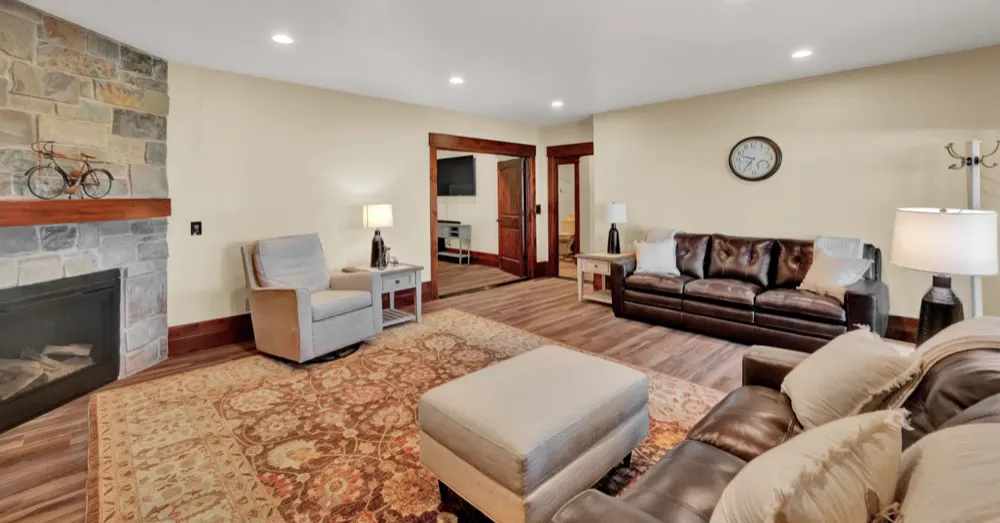
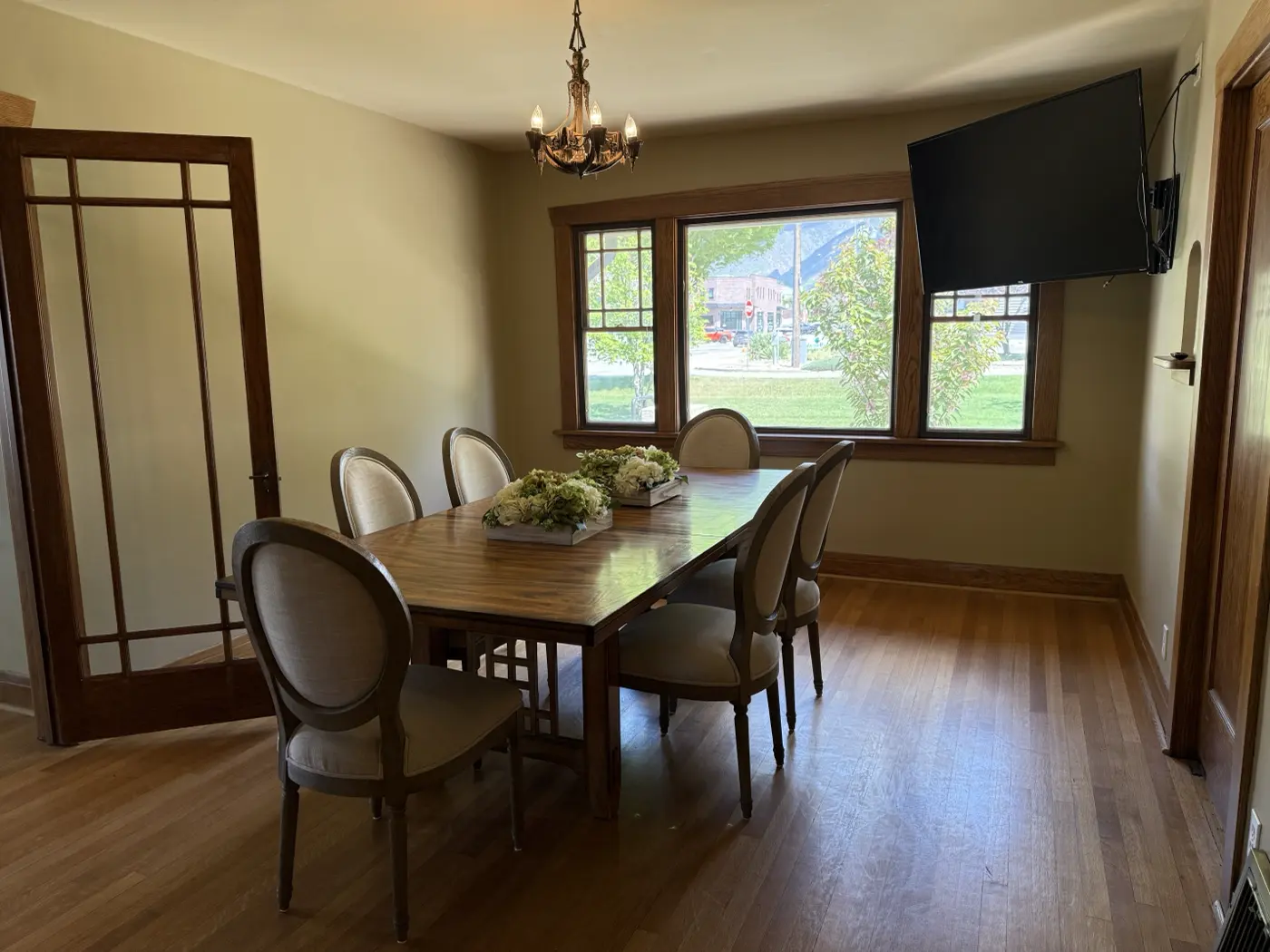
Our residential mental health treatment gives you a calm, safe place to focus on yourself.

Reading is often the first step. These guides explain what you may have lived through.
The patterns that can help you make sense of what happened.
Why you may feel tied to someone who hurt you, and how to break the cycle.
How betrayal by someone close affects trust, memory and mood.
Admissions will call you to go over your coverage, usually the same business day. If it’s urgent, call (801) 383-0810.
We work with most PPO plans that include out-of-network benefits, and with self-pay. Our admissions team checks your mental health insurance benefits for free and confidentially.
Read about cost and payment options.
Admissions will call you to go over your coverage, usually the same business day. If it’s urgent, call (801) 383-0810.















Clients come to us from across Utah and the country. Admissions helps you plan your arrival.


Have another question? Our admissions team takes calls at any hour; after hours, we call you back from 9 a.m. MT.
Call (801) 383-0810A pattern of manipulation, control and emotional harm, often including gaslighting, blame and isolation, usually in a close relationship.
It can lead to trauma symptoms, including many seen in complex PTSD, such as self-doubt, hypervigilance and difficulty trusting others. Learn about our trauma and PTSD treatment.
A strong attachment to someone who causes harm, formed through cycles of mistreatment and affection. Read our guide to trauma bonding.
You don’t need to have left first, though treatment works best when you can be safe. If you’re in danger, call 911 or the National Domestic Violence Hotline at 1-800-799-7233.
Trauma therapies such as EMDR, IFS and ART, plus DBT skills for emotions and boundaries.
When anxiety, depression or trauma symptoms make daily life hard, residential or PHP care gives you structure and distance to recover. Learn about our residential mental health treatment.
You don’t have to have it all figured out to call. Our admissions team takes calls at any hour (after hours, we call you back from 9 a.m. MT), confidentially.