



Table of contents
- How does trauma affect your life?
- What are the three phases of trauma recovery?
- How do you start rebuilding your life after trauma?
- How do you deal with the feelings that come up?
- How do you learn to trust again after trauma?
- What daily habits support trauma recovery?
- Can trauma lead to growth?
- When should you get professional help?
- How Corner Canyon helps adults rebuild after trauma
- Frequently asked questions
- Sources
Key takeaways
- Most people go through at least one traumatic event and most recover over time, but about 6 in 100 people in the U.S. will have PTSD at some point.1
- Rebuilding after trauma usually moves through three phases: safety and stabilization, processing what happened, then reconnection and integration.2
- Active coping, a steady routine, relaxation skills and talking with people you trust all support recovery.3
- Lack of social support after trauma is one of the stronger risk factors for developing PTSD.5
- If symptoms aren't easing, the talk therapies with the most research support are trauma-focused: cognitive processing therapy, EMDR and prolonged exposure.8
Most people go through at least one traumatic event in their lives, and most recover over time1. Some don’t. About 6 in every 100 people in the U.S. will have post-traumatic stress disorder (PTSD) at some point, with symptoms that can last months or years1.
PTSD is treatable, and many people no longer meet the criteria for it after treatment4.
But feeling better is one thing. Building a life that feels like your own again is another. This guide covers how trauma affects you, the phases of recovery, practical ways to rebuild, and when it’s time to reach out for more help.
Our founder, a licensed clinical social worker in mental health treatment since 1991, on the kind of care she set out to build.
How does trauma affect your life?
Trauma doesn’t just live in memory. It can change how you sleep, how you feel in your body, how you see yourself and how safe other people feel. Common effects include4:
- Intrusive memories, flashbacks or nightmares
- Avoiding places, people or thoughts that remind you of what happened
- Feeling on edge, easily startled, irritable or unable to concentrate
- Negative beliefs about yourself or the world, guilt or shame
- Losing interest in things you used to enjoy, or feeling numb
These are survival responses that kept going after the danger passed. They aren’t signs of weakness. Over time, though, they can shrink your world: you avoid more, connect less and stop doing things that once mattered. Rebuilding is about widening that world again.
What are the three phases of trauma recovery?
Many trauma therapists use a phase-based approach, especially for complex or long-lasting trauma. In a survey of trauma experts, 84% endorsed a phased or sequenced approach as the most appropriate way to treat complex PTSD2.
- Phase 1: Safety and stabilizationBuilding trust, steadying daily life and learning skills to manage emotions and relationships.
- Phase 2: Remembrance and processingWorking through the trauma, putting words and feelings to it, grieving what was lost and finding meaning. This is where much of the deeper work happens, and it takes time.
- Phase 3: Reconnection and integrationShaping a new sense of self and a future where the trauma is part of your story but no longer defines it.
The phases aren’t a straight line. Most people move back and forth, returning to stabilization skills when life gets hard. Rebuilding happens in all three, but it really takes shape in the third phase, with time, patience and care. Everyone’s path is different, so take what fits from the steps below.
We just love them all the same.
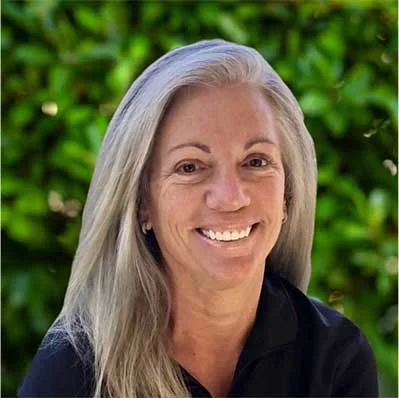 Cheryl Kehl, LCSWFounder · Corner Canyon video
How do you start rebuilding your life after trauma?
Practice active coping
Active coping means accepting the impact trauma has had on your life and taking direct action to improve things3. It isn’t only for crises. It’s a way of responding to everyday life, and it’s a skill you can learn and get better at.
Understand that recovery is a process
Having an ongoing response to trauma is normal. Recovery happens little by little, day by day, rather than all at once. Healing doesn’t mean forgetting what happened or never feeling pain about it. It means fewer symptoms, symptoms that bother you less, and more confidence that you can cope with memories and feelings when they come3.
Learn about trauma and PTSD
Learning how common trauma reactions are can help you feel less alone and less “broken”. It also helps you spot your own patterns and know when you need more support3. Reputable sources such as the VA’s National Center for PTSD and NIMH are good places to start.
Create a new routine
Trauma can upend daily life. Getting back to a steady schedule as soon as you can brings a sense of security, normality and control. Start small: regular wake and bed times, meals at set times, one planned activity a day. Predictability helps a nervous system that’s been on alert learn to settle.
The Clinical team is wonderful and they are all highly trained experts. They practice many different modalities and with that they were able to get to the core of my issues to treat both my trauma, and subsequently my substance abuse.
 Trauma therapy · All levels of careEMDR therapyEMDR-trained therapists, in individual sessions alongside IFS and DBT skills.
 Live-in care · Draper, UtahResidential treatmentSmall, home-style houses in Draper, with therapy twice a week, daily groups and a stay set by your clinical team.
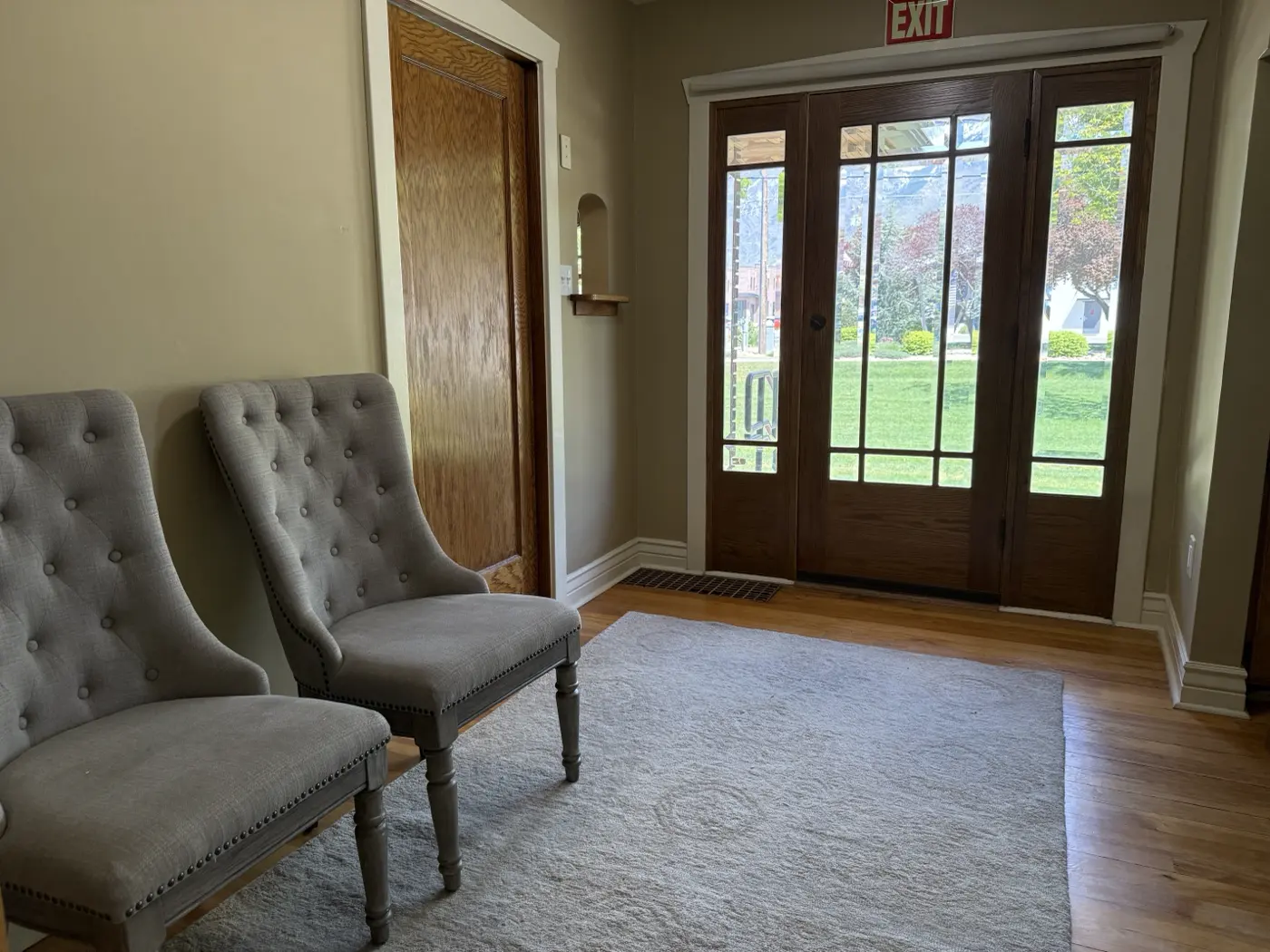 Day program · Pioneer Road, DraperPartial hospitalization (PHP)Monday to Friday, about 9:30 a.m. to 3 p.m., with individual therapy every week.
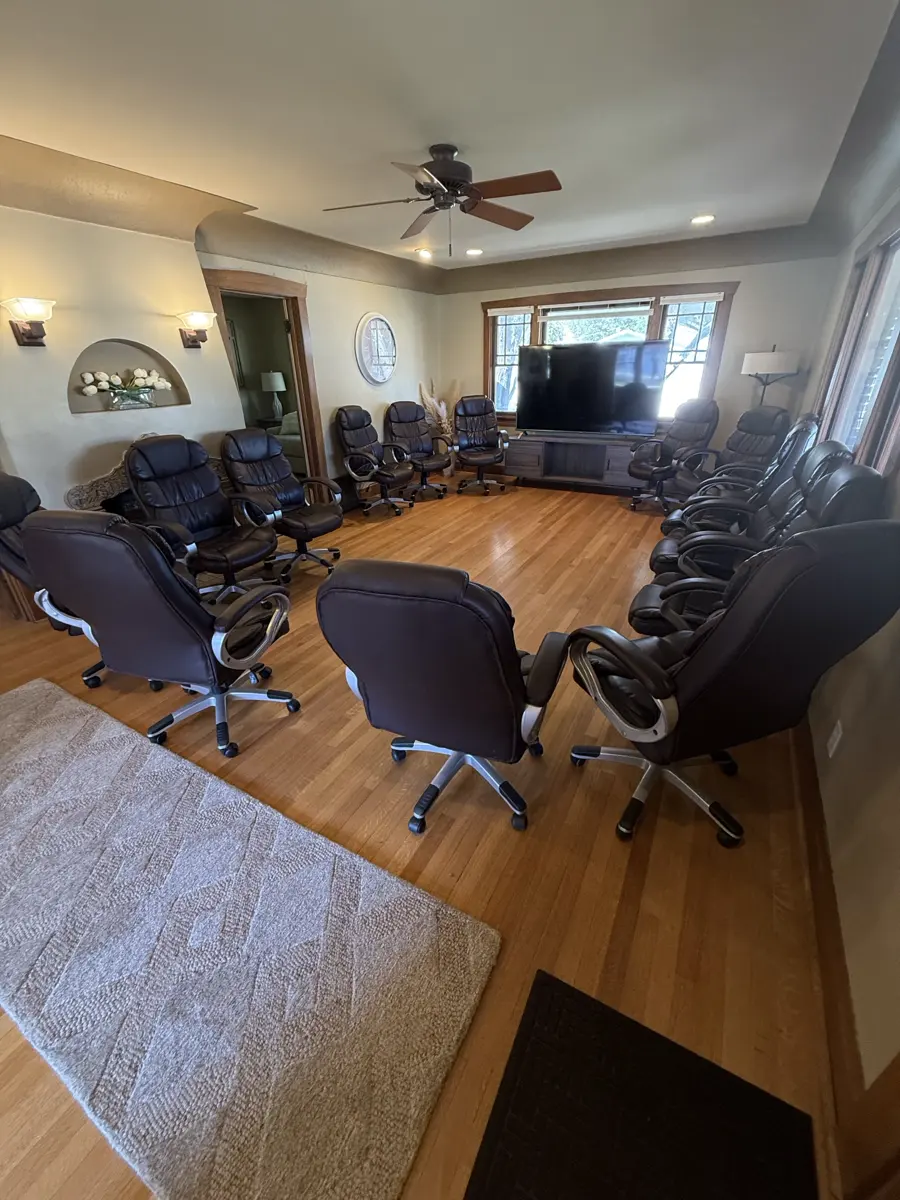 Outpatient · Pioneer Road, DraperIntensive outpatient (IOP)9:30 a.m. to 12:30 p.m., three or five days a week, in person.
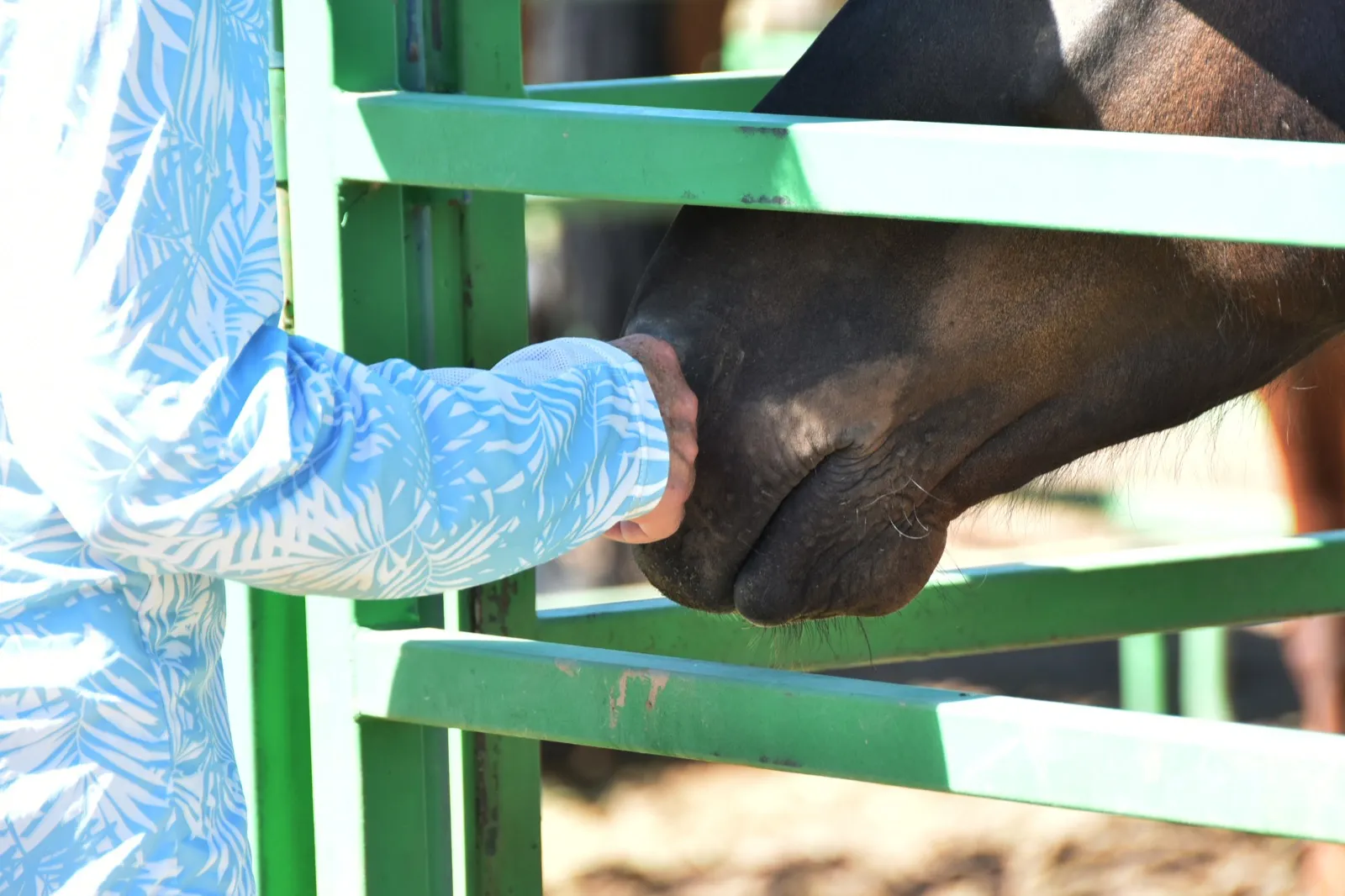 Experiential · Salt Lake ValleyEquine therapyWeekly ground-based sessions with a partner equine therapist, for residential and PHP clients.
 Whole-person care · Our Draper homesHolistic nutritionChefs cook on site seven days a week, with a garden group and a weekly cooking class.
How do you deal with the feelings that come up?
Face your feelings
Rebuilding means making room for your emotions rather than pushing them away. Pain, sadness, anger and fear don’t disappear when they’re ignored; they tend to come back later, often louder. Letting yourself feel them, a little at a time and with support, makes them easier to handle as you move forward.
Be compassionate with yourself
Self-compassion is one of the strongest supports for healing. Talk to yourself the way you would to a friend who’d been through the same thing. Notice your progress, forgive setbacks and give yourself credit for the courage it takes to keep going.
Practice relaxation
Try a few ways to relax and see what works for you3:
- Muscle relaxation exercises
- Slow breathing exercises
- Mindfulness meditation
- Swimming, stretching or yoga
- Prayer
- Listening to quiet music
- Spending time in nature
For a few people, relaxation can increase distress at first, especially when it means focusing on uncomfortable body sensations. If that happens, keep sessions short and keep some contact with the world around you, such as opening your eyes or noticing sounds in the room3.
Rebuilding isn't a race. Small, steady steps you can keep up do more than big changes that leave you overwhelmed.
How do you learn to trust again after trauma?
Trauma can leave you scared and wary of people, and some days it may be hard to imagine trusting anyone, or life itself, again. It’s possible.
Start by remembering that the trauma wasn’t your fault and isn’t a sign that you’re weak or defective. As you begin to see yourself as separate from what happened, you can build new relationships on trust and mutual respect.
Trust can grow in small steps: sharing something minor with someone and noticing how they respond, keeping commitments to yourself, and choosing people who’ve shown they’re reliable. Our post on how to feel safe after trauma goes deeper into rebuilding a sense of safety.
Talk with others for support
Try not to isolate yourself. When survivors talk about their problems with people they trust, something helpful often comes of it3. Choose your support people with care, and don’t be afraid to ask clearly for what you need, and to offer something back. That’s how healthy, supportive relationships grow.
Research backs this up: lack of social support after trauma is one of the stronger risk factors for developing PTSD5.
Join a support group
Talking with others who’ve been through something similar can bring hope, practical tips and a sense that you’re not the only one. Peer groups, faith communities and therapist-led group therapy all offer this in different ways.
What daily habits support trauma recovery?
Move your body
Movement is one of the most useful ways to manage the after-effects of trauma. Try gentle walking, stretching, swimming or working out, but don’t force it, and rest when you need to. In a randomized trial of adults in an inpatient PTSD program, adding 12 weeks of exercise to usual care reduced PTSD symptoms more than usual care alone6.
Prioritize self-care
Healing starts with treating yourself kindly. Look after your body and mind with things like:
- Rest and regular sleep
- Meditation or quiet time
- Expressing yourself through writing, art or music
- Reading
- Yoga or stretching
- Kind, realistic affirmations
- Balanced, regular meals
- Putting your own needs first sometimes
- Setting clear boundaries
Fill your time with positive activities
Enjoyable work or leisure activities can distract you from painful memories and reactions, lift your mood and limit the harm trauma does. Many survivors find art and other creative outlets help them express feelings in a positive way3.
Stay away from alcohol and drugs
Alcohol and drugs can numb pain or help you forget for a while. Over time they tend to make things worse: they interfere with sleep and mood3, get in the way of treatment and can lead to dependence. If you’ve been leaning on substances to cope, that’s important to tell a doctor or therapist.
Can trauma lead to growth?
Some people notice positive changes after a long struggle with trauma. Researchers call this post-traumatic growth. It can show up as a greater appreciation of life, closer relationships, a stronger sense of personal strength, new possibilities or a deeper sense of meaning7.
Growth doesn’t mean the trauma was good or that you should be grateful for it. It often sits alongside ongoing pain, and it isn’t a goal to pressure yourself toward. But it’s a reminder that a meaningful life after trauma is possible, and that the strength it took to survive can become part of what you build next.
When should you get professional help?
If your symptoms aren’t easing, or they’re getting worse, reach out to a counselor who specializes in trauma or ask your doctor for a referral3.
Effective treatments exist, and the talk therapies with the most research support are trauma-focused: cognitive processing therapy, EMDR and prolonged exposure8.
Medication prescribed by a doctor can help some people with sleep, anxiety, irritability and anger, and some medications can reduce urges to drink or use drugs3.
Consider getting help soon if:
- Symptoms have lasted more than a month and get in the way of work, relationships or daily life
- You’re avoiding more and more of your life
- You’re using alcohol or drugs to cope
- You feel hopeless, or have thoughts of harming yourself
If you're having thoughts of suicide, call or text 988 to reach the Suicide and Crisis Lifeline. If you're in danger right now, call 911 or go to the nearest emergency room.
A short tour of one of our residential homes, where clients live, eat and do much of their therapy.
How Corner Canyon helps adults rebuild after trauma
Corner Canyon Health Centers in Draper, Utah, specializes in trauma and PTSD, including complex trauma, for adults. Our care follows the same three phases: safety and stabilization, trauma processing, then integration, with therapies such as EMDR, CPT and IFS, daily groups, movement and holistic nutrition.
Rebuilding continues after treatment ends. Before discharge, our case managers and your therapist help set up next steps close to home, such as a therapist, PHP or IOP, so the life you’ve started rebuilding has support around it. If you’d like to talk through whether our programs are the right fit, our admissions team is here to help.
Frequently asked questions
How long does it take to rebuild your life after trauma?
There's no set timeline. Many people's stress reactions ease within weeks, while recovery from PTSD or complex trauma can take months or longer. Progress usually comes in small steps, with setbacks along the way, and that's normal.
Can you fully recover from trauma?
Many people do recover, especially with effective treatment. Recovery doesn't usually mean forgetting what happened. It means the memories have less power, symptoms ease, and you feel able to cope and live the life you want.
What is the first step in trauma recovery?
Safety comes first: physical safety, a steady daily routine and skills to calm your body when emotions run high. Once you feel more stable, it becomes possible to work through the trauma itself, ideally with a trained therapist.
Why do I feel worse when I start rebuilding?
Slowing down and facing what happened can bring up feelings you've been holding back, and relaxation exercises can briefly raise distress for some people. That's often part of healing, but if things keep getting worse, it's a sign to get more support. Our post on signs you're healing from trauma can help you tell the difference.
What is post-traumatic growth?
Post-traumatic growth describes positive changes some people notice after a long struggle with trauma, such as closer relationships, a new appreciation for life or a stronger sense of their own strength. It doesn't mean the trauma was good, and it isn't something you should pressure yourself to feel.
This article is for general education and doesn’t replace an individual medical or clinical evaluation. Everyone’s situation is different; a conversation with our team is the fastest way to know what applies to you.
If you or someone you care about is in immediate danger, call 911. For a mental health or suicide crisis, call or text 988.