




Table of contents
- What are the six dimensions of wellness?
- How does the wellness model work?
- The foundation: physical and emotional wellness
- The expansion: intellectual and social wellness
- The context: spiritual and occupational wellness
- How do exercise, diet and sleep affect mental health?
- How do you know a dimension is out of balance?
- How do you use the wellness wheel?
- Wellness as a practice of wholeness
- How Corner Canyon brings whole-person wellness into treatment
- Frequently asked questions
- Sources
Key takeaways
- The six dimensions of wellness model, developed by Dr. Bill Hettler, covers physical, emotional, intellectual, social, spiritual and occupational wellness, and treats them as interconnected1.
- Regular physical activity reduces symptoms of depression and anxiety, and WHO recommends at least 150 minutes of moderate activity a week for adults3.
- A review of 148 studies found that people with stronger social relationships had a 50% greater likelihood of survival over the study periods7.
- WHO describes burn-out as a syndrome caused by chronic workplace stress that hasn't been successfully managed, marked by exhaustion, cynicism about work and reduced effectiveness8.
- Wellness habits support mental health but don't replace treatment: if distressing symptoms last two weeks or more, talk with a health professional2.
You meal prep and go to the gym, so why do you still feel drained, stressed or disconnected? Many people think wellness is all about fitness trackers and green juice. That narrow view can leave you feeling incomplete, because well-being has more parts than the body alone.
The six dimensions of wellness model offers a wider lens. This guide explains what the model is, walks through each dimension, shows how lifestyle habits such as exercise, food and sleep affect mental health, and gives simple ways to build balance.
Members of our team on what care looks like in our Draper homes.
What are the six dimensions of wellness?
The six dimensions of wellness model was developed by Dr. Bill Hettler, co-founder of the National Wellness Institute, now called the Wellness Alliance, as a framework for self-assessment and growth1. The Wellness Alliance describes wellness as functioning at your best within your current environment, and says focusing on wellness builds resilience and helps people thrive through life’s challenges1.
The six dimensions are:
- Physical: movement, nutrition, strength, rest and self-care
- Emotional: self-awareness, managing feelings and stress, curiosity and motivation
- Intellectual: creativity, learning and mental stimulation
- Social: relationships, community and contribution
- Spiritual: values, beliefs, meaning and purpose
- Occupational: satisfaction and purpose in work, and its place in your whole life
How does the wellness model work?
The model defines lasting well-being as an active process of creating harmony among six interconnected areas. Some later versions add environmental and financial wellness, making seven or eight dimensions.
The key idea is interdependence: the dimensions are connected, and each contributes to living well1. Strength in one area supports the others and builds overall resilience. Working with the model helps you spot parts of your life you may have neglected and choose where to focus.
It doesn’t stop when you leave the door.
The foundation: physical and emotional wellness
The model starts with the body and feelings, the two dimensions we notice most in daily life.
Physical wellness
Physical wellness means caring for your body so it works well and stays strong. It rests on movement you enjoy, food that fuels you, restorative sleep and preventive care. It isn’t about punishing workouts or sculpting how you look.
Emotional wellness
Emotional wellness is the ability to recognize and express your feelings in healthy ways. It includes coping with stress, using healthy strategies and having the courage to ask for support before you’re overwhelmed.
My experience at Corner Canyon to put it simply, was life changing. The program gave me a structure to set a solid foundation for my life outside of treatment.
 Whole-person care · Our Draper homesHolistic nutritionChefs cook on site seven days a week, with a garden group and a weekly cooking class.
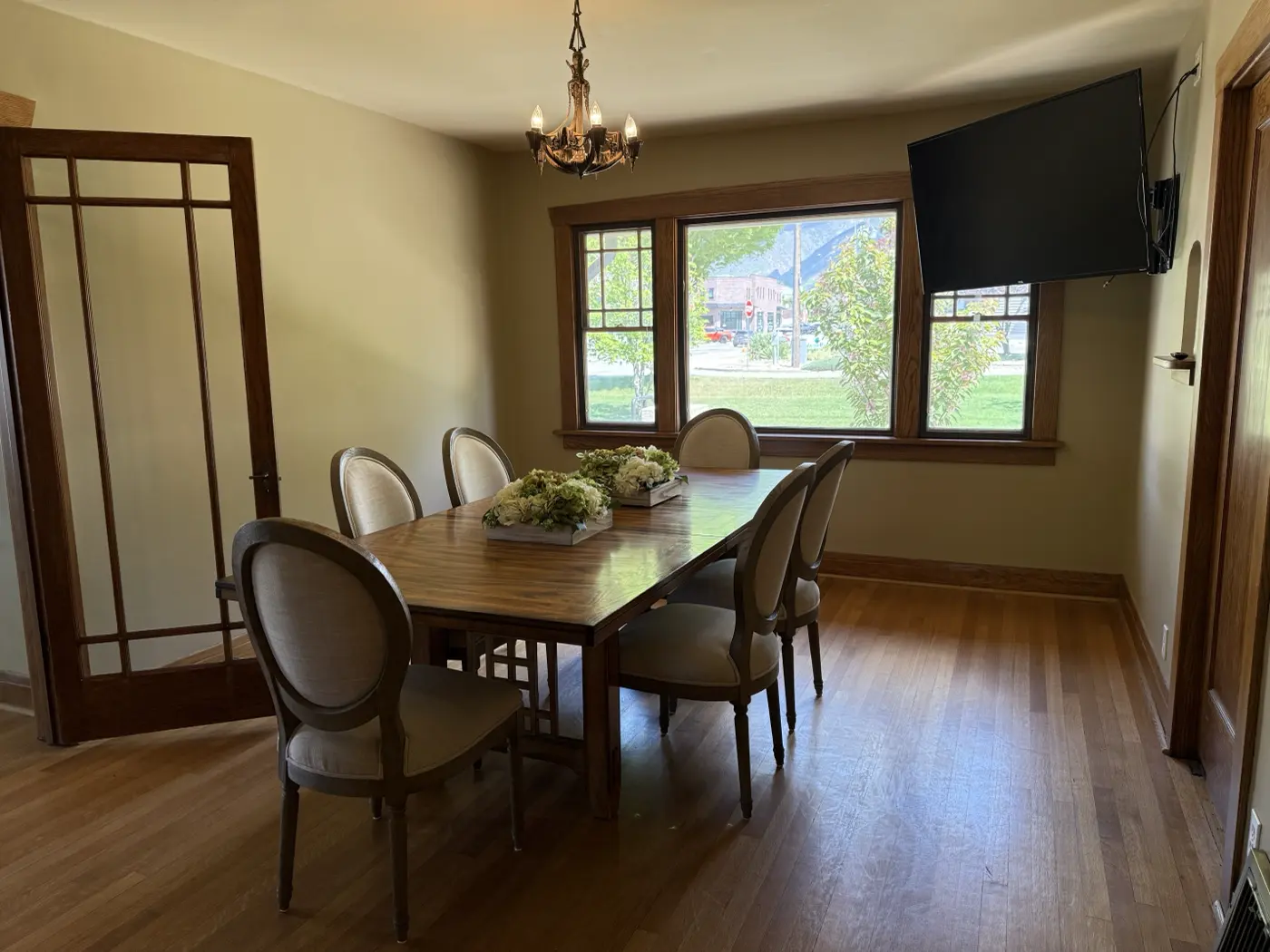
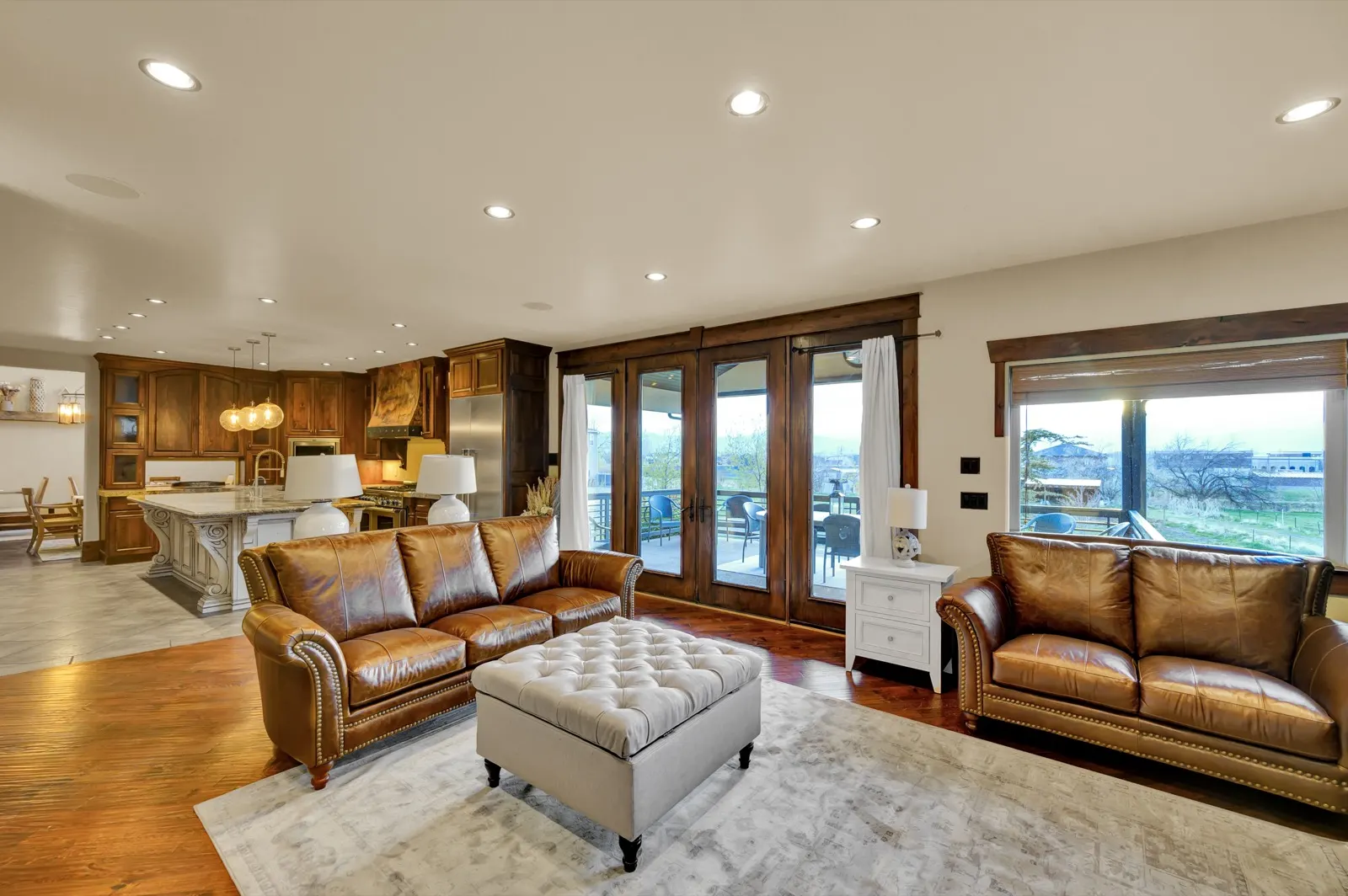 Live-in care · Draper, UtahResidential treatmentSmall, home-style houses in Draper, with therapy twice a week, daily groups and a stay set by your clinical team.
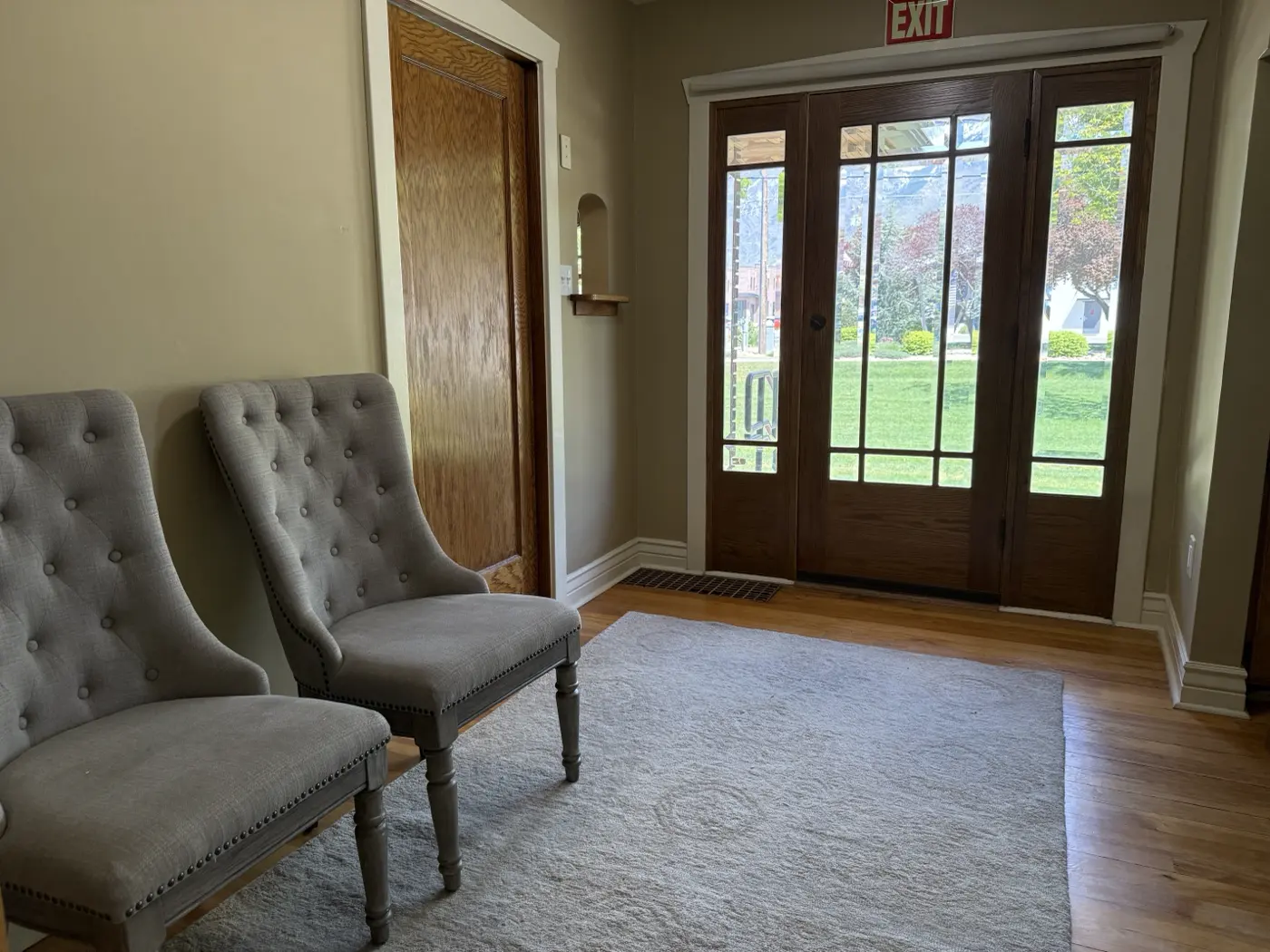 Day program · Pioneer Road, DraperPartial hospitalization (PHP)Monday to Friday, about 9:30 a.m. to 3 p.m., with individual therapy every week.
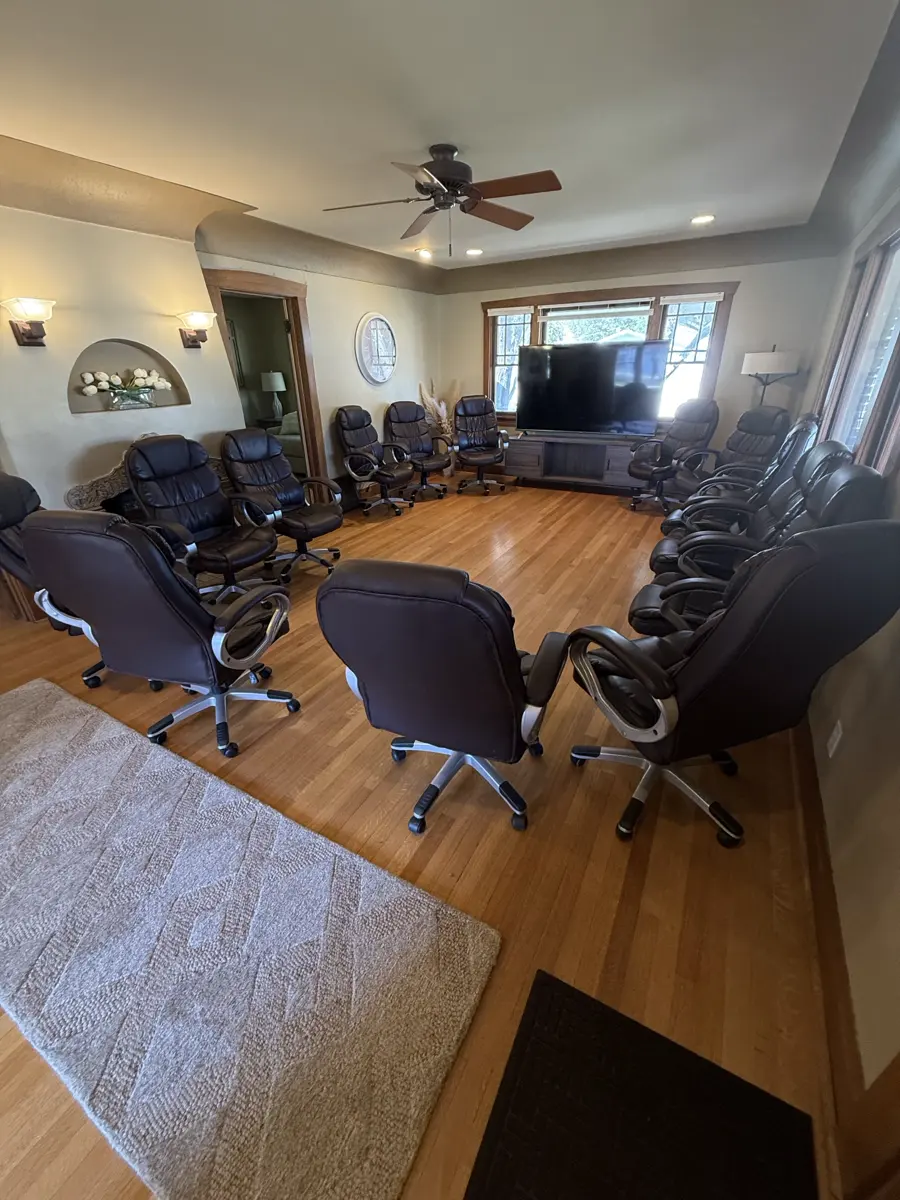 Outpatient · Pioneer Road, DraperIntensive outpatient (IOP)9:30 a.m. to 12:30 p.m., three or five days a week, in person.
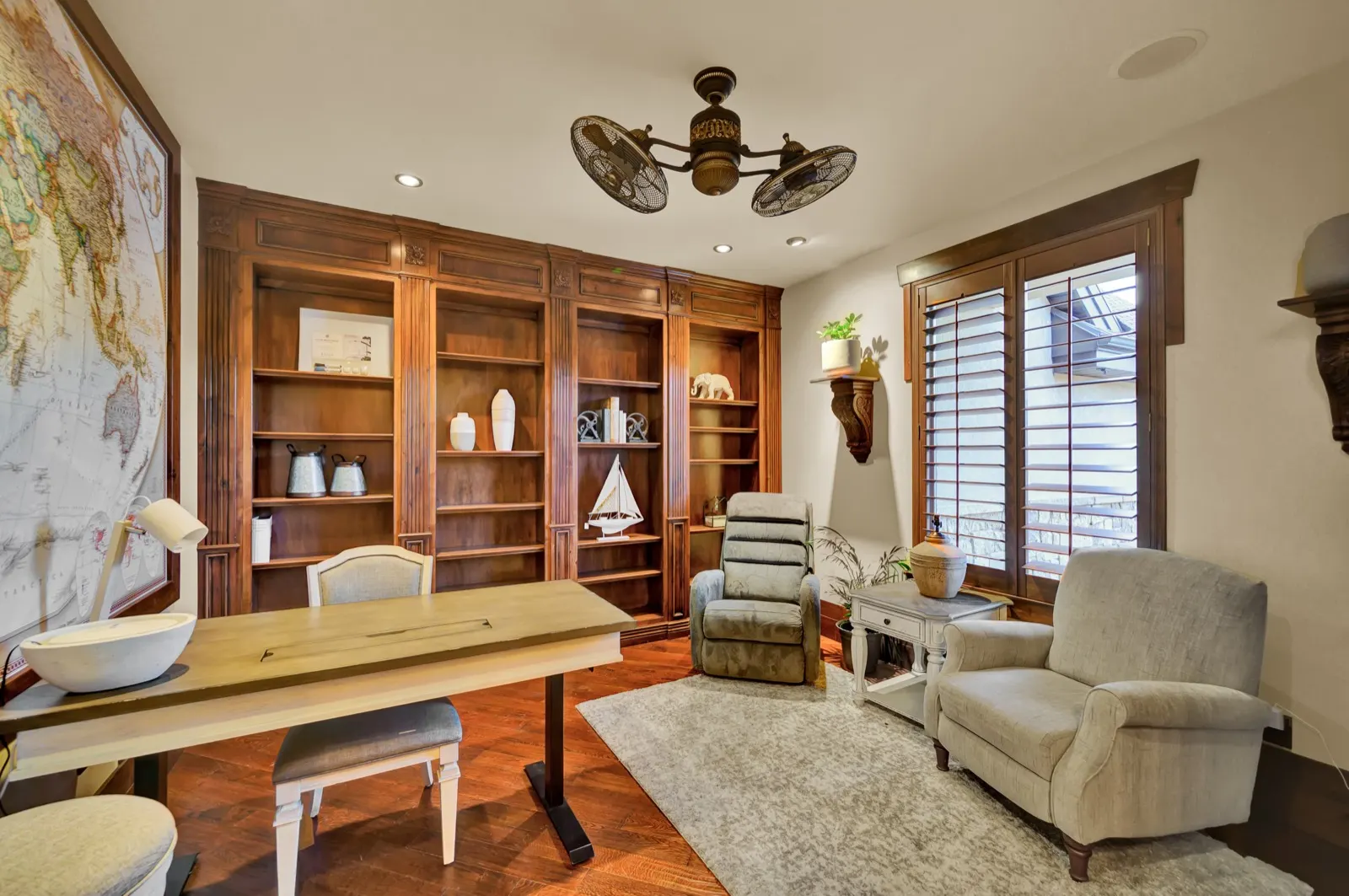 Trauma therapy · All levels of careEMDR therapyEMDR-trained therapists, in individual sessions alongside IFS and DBT skills.
 Experiential · Salt Lake ValleyEquine therapyWeekly ground-based sessions with a partner equine therapist, for residential and PHP clients.
The expansion: intellectual and social wellness
With a stable foundation, we can engage more fully with ideas and people.
Intellectual wellness
This dimension is about a commitment to lifelong learning, creativity and mental stimulation, and sharing your gifts with others1.
Intellectual wellness doesn’t need a classroom. Reading, puzzles, learning an instrument or a language, a podcast on a new topic or a problem at work you enjoy solving all count. The aim is to keep your mind curious and engaged, and to pass on what you learn.
Social wellness
Social wellness focuses on building and keeping positive, trusting relationships through good communication, meaningful connection, healthy boundaries and contributing to your community. Its effects reach physical health too: a review of 148 studies found people with stronger social relationships had a 50% greater likelihood of survival over the study periods7.
The context: spiritual and occupational wellness
Well-being also involves meaning and purpose.
Spiritual wellness: the search for meaning
When you ask, “What gives my life weight and direction?” you’re working on spiritual wellness: a sense of purpose, meaning and connection to something larger. It can involve clarifying your values, meditation or prayer, reflection and acts of service. It doesn’t have to be religious.
Occupational wellness: purpose in what you do
This dimension is about satisfaction from work that fits your values, interests and strengths, while keeping healthy boundaries between work and the rest of life. Work can mean a job, caregiving, study or volunteering.
When work stress builds without relief, it can turn into burnout. The World Health Organization describes burn-out as a syndrome resulting from chronic workplace stress that hasn’t been successfully managed8. It has three features:
- Feeling drained of energy or exhausted
- Growing mental distance from your job, or negative, cynical feelings about it
- Feeling less effective at work
WHO classes burn-out as an occupational phenomenon, not a medical condition8. If exhaustion and low mood hang on, though, it’s worth checking in with a health professional about what else might be going on.
How do exercise, diet and sleep affect mental health?
The physical dimension has some of the clearest links to mental health, and it’s often where people feel the difference first: in their energy.
Exercise
Regular physical activity reduces symptoms of depression and anxiety and improves brain health and overall well-being3. In a large analysis of more than 200 trials in people with depression, walking or jogging, yoga, strength training and mixed aerobic exercise all reduced depression, and the benefits grew with intensity4.
WHO recommends at least 150 minutes of moderate activity a week for adults3, and even 30 minutes of walking a day can lift your mood2.
Diet
Regular, balanced meals and enough water improve energy and focus through the day2. Food can matter for depression too: in the SMILES trial, adults with moderate to severe depression who received dietary counseling from a dietitian improved more over 12 weeks than those who received social support5.
Paying attention to caffeine and alcohol helps as well, since cutting back improves mood for some people2.
Sleep
Sleep deficiency is linked to depression and to many chronic health problems, and research shows that enough quality sleep is vital for mental health, physical health, quality of life and safety6. A steady sleep schedule and less screen light before bed are simple places to start2.
Energy
Low energy is often where these threads meet. Poor sleep, irregular meals, little movement and ongoing stress drain energy, and low energy makes it harder to do the things that restore it. Small, steady changes in one area often lift the others.
| Dimension | One small step this week |
|---|---|
| Physical | A 20-minute walk most days |
| Emotional | Name one feeling each evening |
| Intellectual | Read or learn something new for 15 minutes |
| Social | Call or meet one friend |
| Spiritual | Spend five quiet minutes on what matters to you |
| Occupational | Set one clear end time for work |
How do you know a dimension is out of balance?
An area that needs attention often sends small signals before it becomes a big problem. Common ones include:
- Physical: you're tired most days, skipping meals or barely moving
- Emotional: small frustrations feel overwhelming, or you feel numb
- Intellectual: days feel dull, and you can't remember the last time you learned something new
- Social: you feel lonely even around people, or you've pulled away from friends
- Spiritual: you're unsure what matters to you or why you're doing what you do
- Occupational: you dread work, or it spills into every evening and weekend
One thin area tends to pull on the others. Poor sleep makes feelings harder to manage, loneliness can sap the motivation to exercise, and long work hours crowd out time with friends. That’s why the model treats the dimensions as interconnected1.
Signals like these are a cue to adjust, not a diagnosis. If severe or distressing symptoms, such as trouble sleeping, appetite changes or losing interest in things you usually enjoy, last two weeks or more, talk with a health professional2.
How do you use the wellness wheel?
You can start balancing the dimensions with two simple exercises.
- Draw your wheelDraw a circle, divide it into six slices and label one for each dimension.
- Rate each sliceShade each slice from 1 to 10 based on how satisfied you feel in that area right now.
- Read the shapeThe uneven shape is a snapshot of your balance. Ask yourself why some areas feel thinner than others.
- Start small with overlapPick the weakest dimension and choose one step that also touches another. A weekly walk with a friend, for example, covers physical, social and emotional wellness at once.
Wellness as a practice of wholeness
Wellness lies in bringing these six dimensions together. You’re the architect of that balance, and the wellness wheel is a blueprint you can revisit as life changes. Look at your life through this wider lens tonight: which dimension is quietly asking for more of your attention?
Healthy habits help, but they aren't a substitute for treatment. If distressing symptoms last two weeks or more, talk with a health professional. If you're having thoughts of suicide, call or text 988.
A short tour of one of our residential homes, where clients live, eat and do much of their therapy.
How Corner Canyon brings whole-person wellness into treatment
Corner Canyon Health Centers is a residential mental health program for adults in Draper, Utah, and our care reaches across these dimensions. Alongside individual therapy, daily groups and psychiatric care, clients have gym time most days, yoga, meditation, art therapy, hikes and time outdoors through our experiential therapy program.
Meals are cooked on site seven days a week, and clients can join a weekly garden group and cooking class as part of holistic nutrition. If you’d like to learn more, read about the benefits of a holistic experience during treatment, or reach out to our admissions team.
Frequently asked questions
What are the six dimensions of wellness?
They're physical, emotional, intellectual, social, spiritual and occupational wellness. The model treats them as interconnected, so improving one area, such as sleep or relationships, tends to support the others.
Who created the six dimensions of wellness model?
The model was developed by Dr. Bill Hettler, a co-founder of the National Wellness Institute, now known as the Wellness Alliance. It was designed as a framework for self-assessment and personal growth.
What is a wellness wheel?
A wellness wheel is a circle divided into slices, one for each dimension. You shade each slice according to how satisfied you feel in that area, and the uneven shape that results shows where your life feels out of balance.
Are there seven or eight dimensions of wellness?
Some newer models add environmental and financial wellness, making seven or eight. The idea is the same: well-being has many parts, and paying attention to all of them builds resilience.
How does wellness relate to mental health?
Wellness habits such as movement, good food, sleep and connection support mental health and help treatment work, but they aren't a substitute for care. If distressing symptoms last two weeks or more, talk with a health professional.
This article is for general education and doesn’t replace an individual medical or clinical evaluation. Everyone’s situation is different; a conversation with our team is the fastest way to know what applies to you.
If you or someone you care about is in immediate danger, call 911. For a mental health or suicide crisis, call or text 988.